Reviving Jodhpur: How Maharaja Gajsingh II Transformed the City into a Premier Tourist Destination
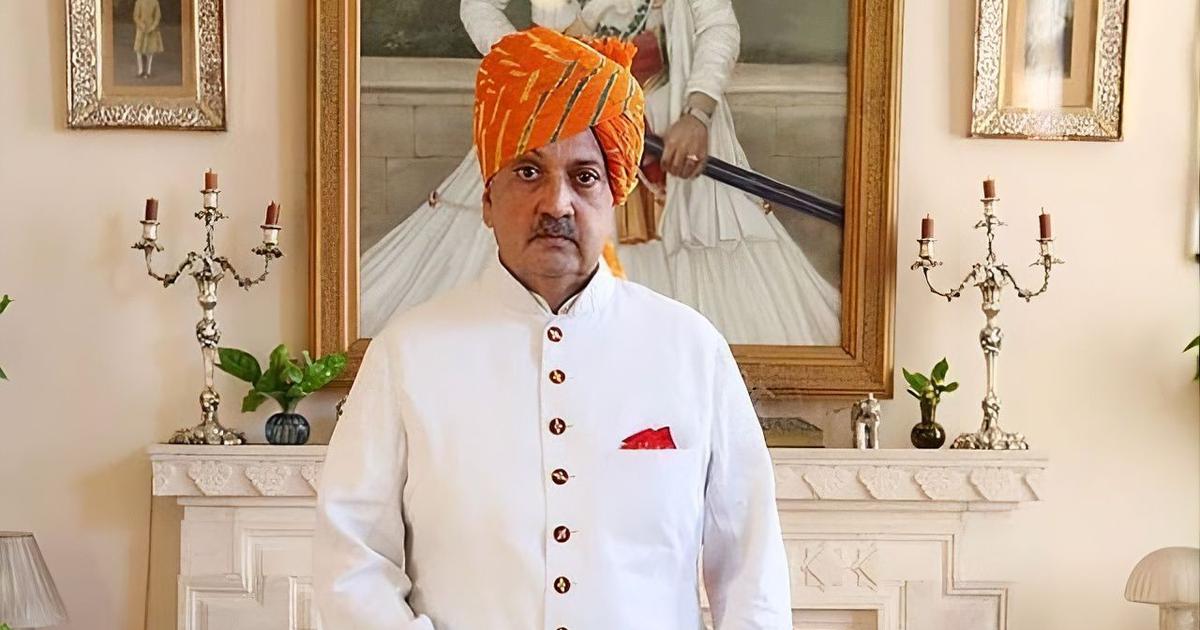
Jodhpur, often referred to as the “Blue City” for its indigo-painted buildings, is not just a feast for the eyes but has also become a burgeoning hub for tourism, thanks in large part to the visionary efforts of Maharaja Gajsingh II. The city, steeped in history and cultural richness, has witnessed a remarkable transformation under his leadership, intertwining the royal heritage with modern tourism strategies.
Historically, Jodhpur has been a significant center in Rajasthan, attracting visitors with its majestic forts, palaces, and vibrant bazaars. However, it was Maharaja Gajsingh II’s proactive approach that truly set the city on the global tourism map. His dedication to preserving the city’s rich heritage while promoting it as a tourist hotspot has drawn not only domestic travelers but also international visitors eager to explore its cultural tapestry.
One of the most notable initiatives led by Gajsingh II was the restoration of the Mehrangarh Fort, an architectural marvel that dates back to the 15th century. This fort, which stands proudly against the backdrop of the desert landscape, offers panoramic views and a glimpse into the royal history of the region. The Maharaja ensured that the fort became not just a historical site but also a vibrant center for cultural activities, including music festivals and art exhibitions, appealing to a diverse audience.
Moreover, Gajsingh II has been instrumental in promoting local crafts and handicrafts, further enhancing Jodhpur’s appeal as a shopping destination for tourists. The bustling markets of Jodhpur, known for their textiles, pottery, and intricate jewelry, have been spotlighted in promotional campaigns, encouraging visitors to engage with local artisans. This not only supports the local economy but also helps in preserving traditional crafts that are at risk of fading away.
In recent years, the Maharaja’s efforts have been complemented by the growth of infrastructure in Jodhpur. Improved connectivity through air and rail services has made the city more accessible, while the development of boutique hotels and heritage properties has catered to the needs of diverse travelers. Each of these steps contributes to a holistic tourism experience that allows visitors to immerse themselves in Jodhpur’s rich cultural heritage.
As Jodhpur continues to evolve as a tourist destination, the legacy of Maharaja Gajsingh II stands as a testament to the potential of blending tradition with modernity. His vision for the city not only enhances its economic prospects but also reinforces a sense of pride among its residents. In this way, Jodhpur is not just a place to visit; it is a vibrant expression of India’s rich history and cultural diversity, poised to attract generations of travelers seeking meaningful experiences.