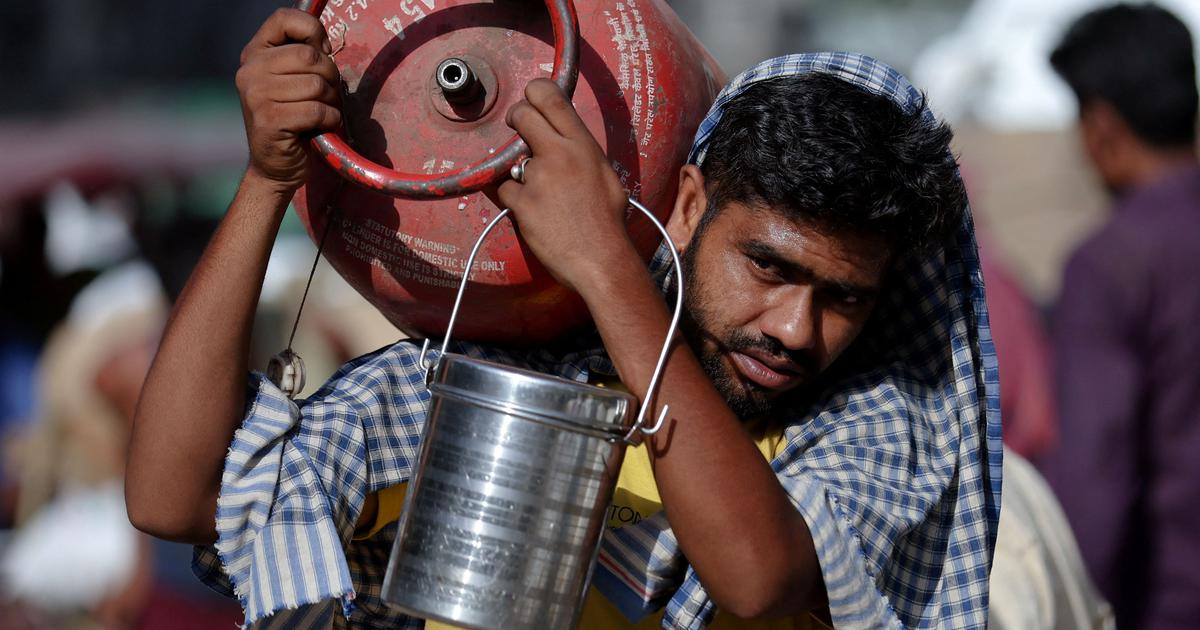
In an alarming development reminiscent of the pandemic’s early days, the ongoing LPG crisis in India is causing significant distress among migrant workers, particularly those employed in industries heavily reliant on cooking gas. The recent surge in demand for ready-to-eat meals on e-commerce platforms like Amazon India highlights the struggles of these workers, many of whom are unable to afford basic meals due to rising prices and fuel shortages.
Reports indicate that Amazon India saw a notable increase in the sales of instant meals, attributed to customers facing uncertainty regarding cooking fuel availability. However, for hundreds of migrants working at the Amazon warehouse in Manesar, Haryana, the situation is dire. Hailing from states such as Punjab, Rajasthan, Uttar Pradesh, and Bihar, these workers are grappling with the dual challenges of rising food costs and dwindling resources at home.
As cooking gas cylinders become scarce, many migrant workers are left with no choice but to rely on local dhabas for their meals. Unfortunately, these eateries are also feeling the pinch, leading to a spike in food prices. Pawan Singh Sisodiya, the general secretary of the Amazon India Workers Union, expressed concern, stating, “In the dhabas near the warehouse, rotis that used to cost Rs 8 are now priced at Rs 12. If this trend continues, many workers will have to consider returning to their hometowns.”
This crisis is not isolated to the Amazon warehouse. Reports from Gujarat’s textile and ceramics industries indicate a worrying trend of migrant workers leaving their jobs. The shortage of LPG has forced some factories reliant on liquefied petroleum gas and liquefied natural gas to cease operations, pushing workers to make a heartbreaking choice between staying jobless and enduring days without food.
As the situation unfolds, concerns mount over the potential for a larger exodus of the workforce. In Delhi and its surrounding areas, the effects of the LPG crisis are palpable, with many workers struggling to find affordable meals. The economic implications of this crisis may echo the challenges faced during the pandemic, threatening to disrupt both lives and industries.
With rising prices and food insecurity becoming a reality for many, stakeholders from various sectors must come together to address the LPG shortage and its impact on the labor force. If not managed effectively, this crisis could result in a significant migration wave reminiscent of the pandemic, further exacerbating the plight of countless families.