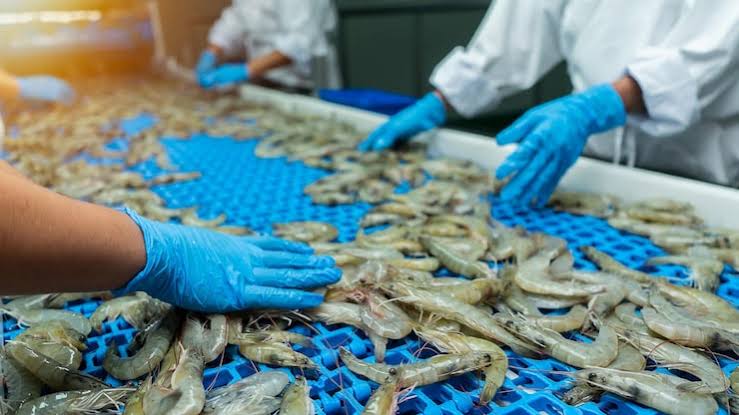
India’s seafood processing plants are playing a crucial role in strengthening the country’s position in the global seafood trade. Across coastal states such as Andhra Pradesh, Gujarat, Kerala, and Tamil Nadu, hundreds of modern seafood processing facilities are preparing marine products for export to international markets. These plants clean, grade, freeze, and package seafood before it is shipped to countries including the United States, China, Japan, and several European nations. The rapid expansion of seafood exports in recent years has highlighted the importance of processing infrastructure, advanced cold chains, and strict quality standards. As global demand for protein-rich seafood continues to grow, India’s processing plants have become key contributors to export earnings, employment generation, and the development of the country’s fisheries sector.
The Backbone of India’s Seafood Export Industry
Seafood processing plants form the backbone of India’s marine export industry. These facilities handle large volumes of fish, shrimp, squid, crab, and other marine products caught at sea or harvested from aquaculture farms. Once the seafood arrives at the processing unit, it undergoes multiple stages including washing, sorting, grading, freezing, and packaging before being shipped to international markets.
The main goal of these plants is to preserve freshness and maintain strict hygiene standards while adding value to the product. Advanced freezing techniques such as individual quick freezing and blast freezing are widely used to maintain the texture, flavor, and nutritional quality of seafood during transportation. With modern machinery and trained workers, seafood processing plants ensure that products meet international food safety regulations and export requirements.
India currently has hundreds of export-oriented seafood processing units that are approved by regulatory authorities and international import agencies. These facilities are equipped with cold storage systems and temperature-controlled logistics networks that allow seafood products to travel thousands of kilometers without losing quality.
Growing Demand in the Global Seafood Market
The expansion of seafood processing plants in India has been closely linked to the growing global appetite for seafood. Consumers worldwide are increasingly turning to seafood as a healthy source of protein, omega-3 fatty acids, and essential nutrients. This shift in dietary preferences has boosted demand for processed and ready-to-cook seafood products.
Frozen shrimp has emerged as the leading export product processed in Indian seafood plants. It accounts for a significant portion of the country’s marine export revenue. In addition to shrimp, India also exports processed fish fillets, cuttlefish, squid, crab meat, and other value-added seafood products.
Processing plants are essential for transforming raw catch into export-ready products that meet the packaging, labeling, and traceability requirements of international buyers. Without these facilities, large-scale seafood exports would not be possible.
Key Processing Hubs Across Coastal India
India’s seafood processing plants are primarily located in coastal regions where fishing and aquaculture activities are concentrated. Andhra Pradesh has emerged as one of the leading hubs due to its large shrimp farming industry and strong export infrastructure. Cities such as Visakhapatnam, Kakinada, and Nellore host numerous seafood processing units that supply global markets.
Kerala and Tamil Nadu also play important roles in the processing of fish, squid, and cuttlefish, while Gujarat and Maharashtra contribute significantly to marine fish exports. These coastal states benefit from proximity to fishing harbors and international ports, allowing processed seafood to be transported quickly for export.
Major ports such as Visakhapatnam, Kochi, Chennai, and Mumbai serve as key gateways for seafood shipments. From these ports, containers carrying frozen seafood are exported to major markets across North America, Europe, and Asia.
Economic Impact and Employment
Seafood processing plants have created large employment opportunities in coastal regions. Thousands of workers are employed in processing units, handling tasks such as cleaning, sorting, grading, packaging, quality inspection, and cold storage management. Many of these jobs provide livelihoods to women in coastal communities, making the industry an important source of income for local families.
The industry also supports a wide network of related businesses, including ice plants, cold storage providers, transport companies, packaging manufacturers, and export logistics firms. This ecosystem contributes significantly to the overall growth of the fisheries economy.
In addition to employment, seafood exports generate valuable foreign exchange for India. Revenue from marine product exports helps strengthen the national economy while encouraging further investment in fisheries, aquaculture, and processing infrastructure.
Challenges in the Processing Sector
Despite its strong growth, the seafood processing sector faces several challenges. Maintaining strict international food safety standards is one of the most critical issues. Export markets require rigorous quality control, traceability systems, and certification procedures to ensure the safety of seafood products.
Processing plants must also deal with fluctuating raw material supply caused by seasonal fishing patterns, climate changes, and disease outbreaks in aquaculture farms. Rising operational costs, including electricity, cold storage maintenance, and transportation, can also affect profitability.
Another challenge is the need for continuous modernization. As global buyers demand higher quality and more value-added products, seafood processing plants must invest in new technologies and advanced packaging systems to stay competitive.
The Future of Seafood Processing and Exports
The future of seafood processing plants in India appears promising as the country continues to expand its aquaculture production and export capabilities. Government initiatives aimed at strengthening fisheries infrastructure, improving cold chain networks, and encouraging value-added seafood products are expected to support further growth.
Industry experts believe that the next phase of expansion will focus on advanced processing technologies, automation, and the development of ready-to-eat seafood products. These innovations will help India capture larger shares of the global seafood market.
As international demand continues to rise, seafood processing plants will remain a critical link between India’s fisheries sector and the global food supply chain.
Conclusion
Seafood processing plants have become the driving force behind India’s expanding seafood export industry. By combining modern processing technology with strong aquaculture production, the sector continues to support economic growth and global trade. With further investment and innovation, India is poised to strengthen its position as a major exporter in the international seafood market.