In a significant move against misinformation targeting the Indian community, the Singaporean government has mandated social media companies to block 14 posts deemed harmful and derogatory. These posts, which reportedly originated from a platform based in China, falsely claimed that Singapore was being swamped by its Indian population. This incident has raised alarms regarding the spread of such divisive narratives, particularly in a nation celebrated for its rich multicultural fabric.
The Ministry of Home Affairs in Singapore released a statement asserting that the troubling content has been circulating in the so-called ‘Chinese information space’ since May. The posts were characterized by their use of “derogatory and demeaning language” directed at the Indian community, suggesting an unusual anxiety within Singapore regarding its cultural identity and ethnic relations.
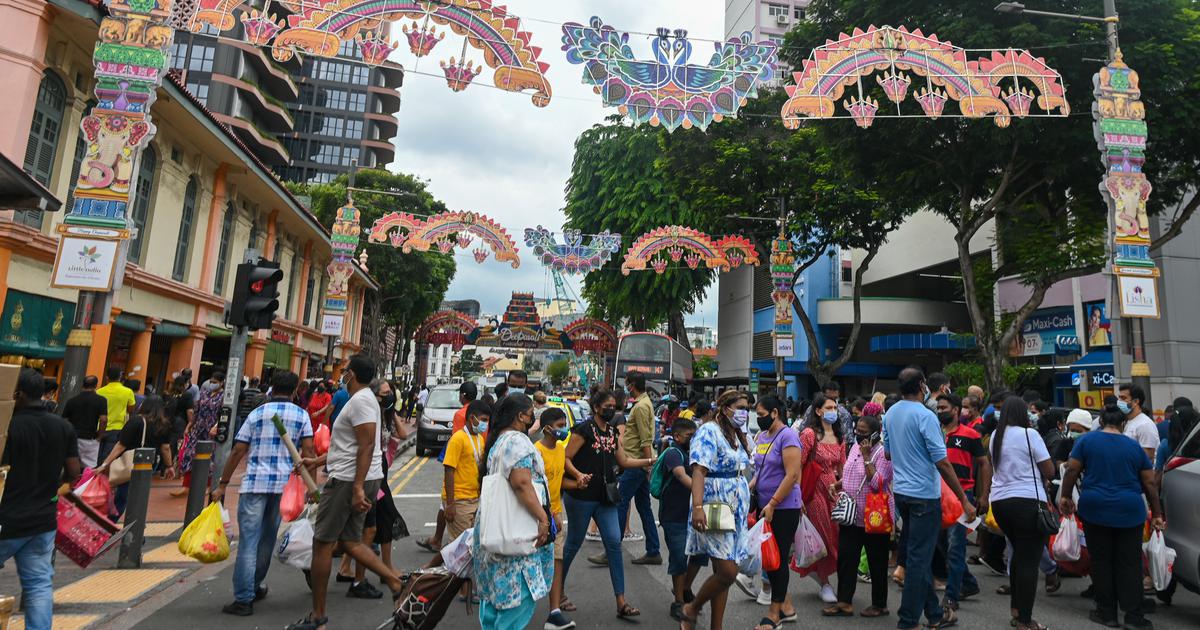
As part of the misleading campaign, certain images and videos of Little India, a vibrant enclave reflecting Singapore’s Indian heritage, were taken out of context. These visuals, combined with clips from religious festivities at Pagoda Street, were misused to create a false narrative of overcrowding by Indian nationals. The Singaporean government emphasized that such fabrications threaten the very essence of its multiculturalism, which has been a cornerstone of the nation’s identity.
In its statement, the government asserted, “Singapore firmly opposes nativism and xenophobia,” urging citizens to remain vigilant against attempts to sow discord among communities. The Ministry condemned these attacks as not only harmful but also intolerable, especially because they stem from foreign sources. It underscored the need for a unified front against attempts to pit one community against another, reaffirming its commitment to maintaining social cohesion and harmony.
As Singapore grapples with these challenges, it serves as a reminder for its citizens to critically evaluate the information they encounter online. The government has called on individuals to be discerning consumers of media, particularly in light of the misinformation that can easily spread through social networks.