“Start Your Day Right: A Healthy Breakfast Diet with Pure Himalayan Superfoods to Honor Mother Earth”
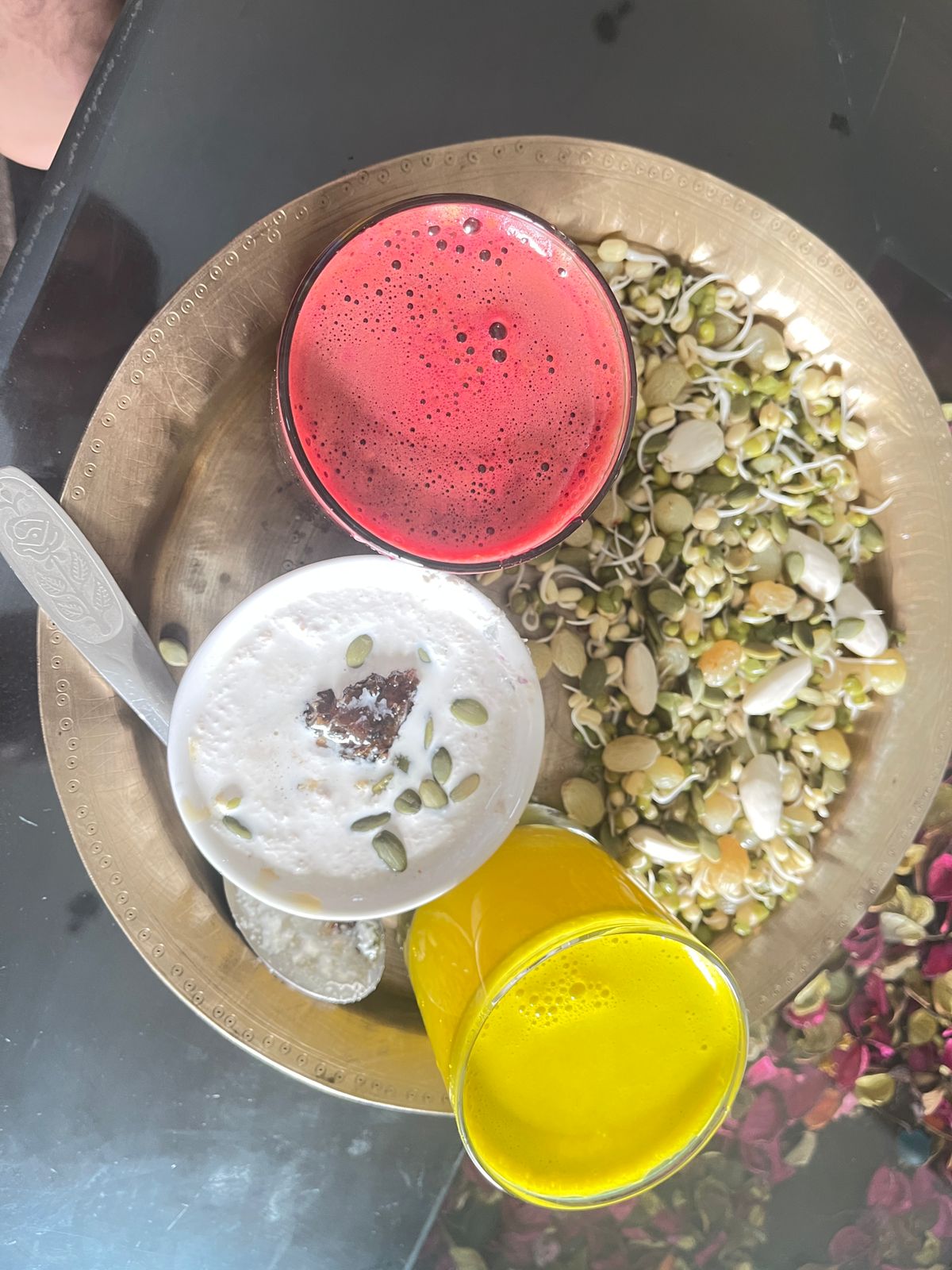
Morning Breakfast Plan
1.Winter Melon Juice
•Start your morning with 1 glass of fresh winter melon juice on an empty stomach.
•Benefits: Hydrates, detoxifies, and cools the body.
2.Herbal Juice Mix
•After 15–20 minutes, drink 1 glass of juice made with Indian gooseberries (amla), wild ginger, wild turmeric, black pepper, and long pepper.
•Preparation: Blend the ingredients in water and strain if necessary. Consume immediately.
•Benefits: Boosts immunity, improves metabolism, and detoxifies.
3.Pure Himalayan Shilajit with Plant-Based Milk
•Mix a small pea-sized amount of Himalayan Shilajit with 1 glass of warm coconut milk, soy milk, or almond milk.
•Optional: Add a pinch of cardamom or cinnamon for taste.
•Benefits: Shilajit enhances energy, supports immunity, and replenishes essential minerals. Paired with plant-based milk, It makes a nutrient-dense drink.
4.Nut & Fruit Smoothie
Prepare a smoothie with soaked peanuts, walnuts, almonds, and a banana (or your preferred fruit).
•Preparation:
•Soak the nuts for 6–8 hours.
•Blend them with the fruit and a touch of honey or jaggery for sweetness.
•Benefits: Provides protein, healthy fats, and sustained energy.
5.Seeds Mix
•Have 1 spoon each of pumpkin seeds, water seeds (melon seeds), flax seeds, and sunflower seeds.
•You can eat them raw, roasted, or sprinkle them over your smoothie.
•Benefits: Packed with omega-3 fatty acids, fiber, and essential minerals for skin, hair, and heart health.
6.Arjun Ki Chal (Terminalia Arjuna Bark)
Arjun Ki Chal (Arjuna bark) is a powerful natural remedy in Ayurveda, primarily known for its cardiovascular benefits.
Here are some tips and ways to use it effectively for your health:
Key Health Benefits of Arjun Ki Chal
1.Supports Heart Health:
•Strengthens the heart muscles and improves cardiac function.
•Helps regulate blood pressure and cholesterol levels.
2.Rich in Antioxidants:
•Protects the body from oxidative stress and free radical damage.
3.Promotes Healthy Digestion:
•Aids in relieving acidity and improving gut health.
4.Anti-inflammatory Properties:
•Reduces inflammation in the body, benefiting joints and tissues.
5.Helps in Weight Management:
•Improves metabolism and helps detoxify the body.
How to Use Arjun Ki Chal
1.Arjun Ki Chal Tea:
•Ingredients:
•1 teaspoon of powdered Arjuna bark
•1 cup of water
•Optional: A pinch of cardamom or a teaspoon of honey (avoid sugar)
•Preparation:
•Boil the Arjuna bark powder in water for 5–10 minutes.
•Strain and drink warm, preferably on an empty stomach.
•Tip: Drink 1–2 cups daily for heart health and overall wellness.
2.Arjun Ki Chal with Milk:
•If you consume plant-based milk (almond or coconut milk), boil 1 teaspoon of Arjuna bark powder in the milk for a creamy and nutritious drink.
3.Arjun Ki Chal Decoction:
•Ingredients:
•1 tablespoon of Arjuna bark powder
•2 cups of water
•Preparation:
•Boil the bark powder in water until it reduces to half. Strain and consume twice daily.
4.With Lemon or Herbal Tea:
•Add Arjuna bark powder to green tea or herbal tea for added health benefits.
5.For Skin Health:
•Use Arjuna bark powder as an ingredient in DIY face masks to reduce blemishes and improve skin tone.
Precautions
•Consult a healthcare professional if you are pregnant, breastfeeding, or on heart medications.
•Avoid consuming in excessive quantities, as it may cause mild digestive discomfort.
Pro Tip: Consistency is key when using Arjun Ki Chal. Incorporate it into your daily routine to experience long-term health benefits. Stay mindful and complement its use with a healthy diet and lifestyle!
•6:30 AM: Winter melon juice.
•7:00 AM: Herbal juice mix.
•7:30 AM: Himalayan Shilajit drink.
•8:00 AM: Nut & fruit smoothie and seed mix.
This plan integrates Himalayan Shilajit as a powerful addition to boost stamina and balance your nutritional intake, ensuring a wholesome start to the day.
Here are some thoughtful and motivating messages to encourage avoiding sugar, junk foods, dairy items, white flour, and milk tea:
General Health Messages
1.“Your body deserves nourishment, not punishment. Say goodbye to sugar, junk food, and processed flour. Choose whole, clean, and natural foods instead!”
2.“Replace cravings with self-care. Skip the milk tea, sugary treats, and junk food—embrace vibrant health with every choice you make.”
3.“What you eat today shapes your tomorrow. Avoid white flour, dairy, and junk foods. Fuel your body with real, wholesome foods!”
4.“Your health is your greatest wealth. Ditch sugar, processed foods, and milk tea—opt for balance, vitality, and longevity.”
On Avoiding Sugar
1.“Sugar is sweet, but the consequences are bitter. Choose health, not temporary satisfaction.”
2.“Life is sweeter without added sugar. Let fruits and nature’s bounty satisfy your cravings!”
On Avoiding Junk Foods
1.“Junk food fills your plate, but it empties your health. Choose nutrient-dense meals instead.”
2.“Skip the junk and savor the goodness of whole, fresh foods—your body will thank you!”
On Avoiding Dairy Items
1.“Dairy-free is the key to being light and healthy. Try plant-based alternatives and feel the difference!”
2.“Your health journey begins with better choices—swap dairy for almond, soy, or coconut milk.”
On Avoiding White Flour (Refined Flour)
1.“Refined flour adds to your problems, not your plate. Switch to whole grains for a better you!”
2.“White flour may be convenient, but whole grains are life-changing. Choose wisely!”
On Avoiding Milk Tea
1.“Say goodbye to milk tea and hello to herbal infusions or green tea—fuel your mornings with health, not heaviness.”
2.“Milk tea might be comforting, but it’s time to comfort your body instead with a detoxifying herbal alternative.”
These messages aim to motivate and inspire mindful choices without being overly restrictive, helping to promote a healthier lifestyle.
Identify your doshas and correct them with the right remedies
Vata Dosha
(start from Morning 6-10 clock) Pitta Dosha( start from Morning 10- Afternoon 2 clock) Kapha Dosha(start from Afternoon 2- evening 6 clock)
Thin body
• Dry skin
• Dry hair
• Sharp mind
• Bone pain
• Cold hands – feet
• Difficulty in decision making
• Unstable mind
• Fatigue
• Cannot tolerate cold
• Sleep problems
• Mood swings
• Too much haste • Anxious nature • Stress and nervousness Medium body
• Soft and oily skin
• Hair greying quickly
• Quick to anger
• Intense hunger
• Bloating, gas, heartburn
• Cannot tolerate heat
• Burning sensation in chest and stomach
• Excessive sweating
• More heat in the body Strong and broad body
• Beautiful skin
• Heaviness and lethargy in the body
• Cold, constipation, mucus formation
• More laziness
• Indigestion, bloating
• Excessive sleep
• Blocked nose and breathing difficulty
• Sinus problems, cough, allergy
Best Fruits for Your Dosha Vata, Pitta, and Kapha
Fruits that Balance Vata Dosha in the India Climate
I frequently observe dryness, anxiousness, inconsistent appetite, or constipation while evaluating a patient with a Vata imbalance. The attributes of space and air are carried by Vata. It is cold, dry, bright, and moving all the time. We need to include foods that are grounded, warm, and moist to the diet in order to balance it. According to Ayurvedic studies, constipation, bloating, and gut dryness are frequently directly caused by a Vata imbalance; these conditions are all well-served by warm, moist foods.
I suggest eating sweet, ripe, and juicy fruits if you have a Vata constitution. Bananas, sweet mango kinds, papaya, and custard apple or sitaphal are readily available in our local Indian stores. These fruits naturally lubricate and nourish when they are fully ripe. I always I frequently observe dryness, anxiousness, inconsistent appetite, or constipation while evaluating a patient with a Vata imbalance. The attributes of space and air are carried by Vata.
(In my experience, Vata is frequently irritated by raw and dry fruits. Rather, I recommend lightly stewing fruits in the morning with cardamom or cinnamon. The Ayurvedic Institute’s eating standards, which classify most dried and raw astringent fruits as undesirable for Vata types, are mirrored in this straightforward procedure that enhances digestion and encourages Agni. Eat fruits apart from large meals as well. Fruit and meals like rice and dal should be separated by at least two hours. This stops bloating and fermentation, which I frequently observe in Vata people.)
The Best Indian Summertime Fruits for Pitta Dosha
Pitta is dominated by water and fire. It is powerful, spicy, and harsh. I frequently notice acidity, skin breakouts, irritation, and burning feelings as Pitta rises. Pitta imbalance can cause heartburn, acid reflux, ulcers, and inflammation of the gut lining, according to Ayurvedic therapeutic knowledge. Therefore, cooling and calming meals are crucial, particularly during the Indian summer.
Focus on hydrating fruits like watermelon, coconut, grapes, and pomegranate if your constitution is Pitta. Here, watermelon is especially potent. It is the most well-known fresh source of lycopene, a powerful antioxidant associated with a lower risk of heart disease and age-related eye conditions. Watermelon is a great fruit for controlling body temperature during the hottest summer months because it contains more than 90% water. Watermelon is one of the most readily available antioxidant substances in Indian marketplaces since lycopene from it is as bioavailable as that from tomato products, according to a 2024 review published in the journal Antioxidants.
Additionally, pears are great since they have a mild, soothing effect on digestion. During the busiest summer months, I counsel my patients and pupils to rely more on these fruits.Here, watermelon is especially potent. It is the most well-known fresh source of lycopene, a powerful antioxidant associated with a lower risk of heart disease and age-related eye conditions.
Avoid These Fruits to Manage Your Kapha Dosha Weight
Earth and water are represented by Kapha. It is stable, cool, slow, and heavy. Kapha imbalance typically manifests as weight gain, tiredness, congestion, or slow digestion in my outpatient practice. We need lighter, somewhat drying fruits to boost metabolism. In order to increase digestive fire and lessen Kapha’s dampness, Ayurvedic dietary principles suggest eating lighter foods with bitter, pungent, and astringent flavors.
Pick berries like strawberries and jamun, as well as apples and pears, if you are dealing with weight concerns associated to Kapha. These fruits are easy to digest, lighter, and high in fiber. In order to ignite their metabolic fire and prevent feeling heavy later in the day, I frequently suggest that Kapha patients consume fruit first thing in the morning.
Bananas, avocados, and exceptionally sweet mangoes are examples of heavy, sugary foods that you should stay away from. Eating them at night can make mucus production worse and interfere with sleep. Eating fruit late at night can make you more lethargic and retain more water because Kapha naturally predominates in the evening. In my opinion, timing is just as crucial as the actual fruit.
Eye-Opening Insights
Indian gooseberry, or amla, is one of the most revered Rasayanas in Ayurveda and promotes all three doshas.
A single 100g portion of amla contains 300mg of vitamin C, which is equal to 20 oranges and more than twice the daily recommended amount for adults.
reveals that amla is a true tridosh superfruit because to its potent anti-inflammatory, antioxidant, and metabolic-regulating properties.
Eating fruits late at night might cause toxic buildup known as Ama and weaken the digestive fire. This is in line with current studies on circadian nutrition, which connects eating late at night to compromised metabolic function.
Fruits provide vitamins, minerals, and antioxidants that support general health, fruits are regarded as an essential component of a balanced diet. But according to Ayurveda, the benefits of fruits can vary greatly depending on when and how you consume them. Food is medicine, according to Ayurvedic philosophy, and timing is essential for optimizing absorption and digestion.
The Value of Time in Ayurveda
According to Ayurveda, Agni, or digestive fire, controls digestion and is strongest during specific hours of the day. When fruits are consumed at the appropriate time, Agni can handle them efficiently, avoiding digestive problems and fostering general health.
The Best Time to Consume Fruits
According to Ayurveda, eating fruits is best done in the morning or early in the day when Agni is more active and the body is better able to process lighter meals like fruits. During this time, eating fruits can:
Boost energy: Fresh fruits are a great option for breakfast or as a midmorning snack because they naturally contain sugars that give the body energy.
Improve digestion: Because fruits are high in water, they digest fast, which helps the body absorb nutrients more effectively.
Eating Fruits On Empty Stomach (Without Food)
Fruits should be consumed on an empty stomach, especially in the morning, according to Ayurveda. Fruits aid in digestive tract cleansing because they are light and high in natural enzymes. Fruits that are eaten on an empty stomach can:
Help in detoxification: Fruits’ fiber and water content aid in the removal of toxins from the digestive system.
Boost nutritional absorption: The body can better absorb vitamins, minerals, and antioxidants when fruits are consumed on an empty stomach.
Reasons Not to Eat Fruits After Meals
Avoiding combining fruits with other foods, particularly large meals, is one of the main tenets of Ayurveda. While heavier foods like grains and proteins take longer to digest, fruits do so fast. When fruits are combined with larger meals, it might result in:
Indigestion: Fruits may ferment and cause bloating, gas, and pain if they remain in the stomach for an extended period of time because other meals digest more slowly.
Toxin accumulation: When fruits are combined with heavier foods, improper digestion can result in the production of Ama, or toxins, which can be harmful to general health.
Dosha Balance and Fruits
According to Ayurveda, the three doshas of Vata, Pitta, and Kapha determine an individual’s constitution. Depending on a person’s dosha type, different fruits can be chosen and consumed at different times.
Vata Dosha’s Top Fruits
Dryness, bloating, and inconsistent digestion are common in those with a predominantly Vata constitution. Sweet, moisturizing, and grounding fruits can aid with Vata balance:
Bananas: Easy to digest and high in potassium, bananas are perfect for Vata types.
Papaya: Its juicy, sweet flavor helps balance out Vata imbalances.
Mangoes: Known for their sweet flavor and nutritious properties, mangoes are excellent for Vata grounding.
Pitta Dosha’s Top Fruits
Pitta types are vulnerable to inflammation, heat, and acidity. Fruits that are cool and hydrating can help reduce excess Pitta:
Melons: Cantaloupe and watermelon are refreshing and cooling, making them perfect for lowering heat.
Pomegranates: Pitta is balanced by their sweet and astringent flavor.
Sweet apples: They help cool the digestive tract and lessen inflammation.
Top Fruits for Kapha Dosha
Slow digestion and an overabundance of fluids are common in Kapha types. Astringent, light fruits aid in lowering Kapha and promoting digestion:
1. Apples (sour varieties): Sour apples are perfect for Kapha because they are light and energetic.
2. Berries: Strawberries, raspberries, and blueberries aid in digestion stimulation and cleansing.
3. Pears: They promote Kapha equilibrium because they are light and astringent.
Ideal Fruits for Dosha Keep away of fruits
Vata : Mangoes, Papayas, and Bananas Unripe fruits and dry fruits
Pitta : Sweet Apples, Pomegranates, Melons. Citrus fruits and sour fruits
Kapha: Berries, Pears, and Sour Apples Juicy, fruits, such as bananas
Seasonal Factors in Fruit Eating
Ayurveda also emphasizes the value of eating seasonally. Eating seasonal fruits keeps the body in harmony with the cycles of the natural world. Seasonal fruits are fresher, more nutritious, and more suited to the body’s requirements and the climate.
Summertime: To counteract heat, choose cooling foods like melons, pomegranates, and water-rich fruits.
Winter: To balance Vata and stay warm, choose grounding fruits like apples and bananas.
Monsoon: Because humidity might impede digestion, avoid consuming too many fruits during the monsoon. This season is best for light, astringent fruits.
Fruits to Steer Clear of in Specific Situations
Fruits are generally healthy, but there are several circumstances that call for caution. For example:
Diabetes: Choose low-sugar fruits like berries and apples instead of high-sugar fruits like bananas and mangoes.
Acidity: Citrus fruits can increase Pitta and create discomfort, so stay away from them if you have acidity.
Indigestion: If you have indigestion, avoid eating fruits like bananas and mangoes since they may make the problem worse.
and medical conditions.