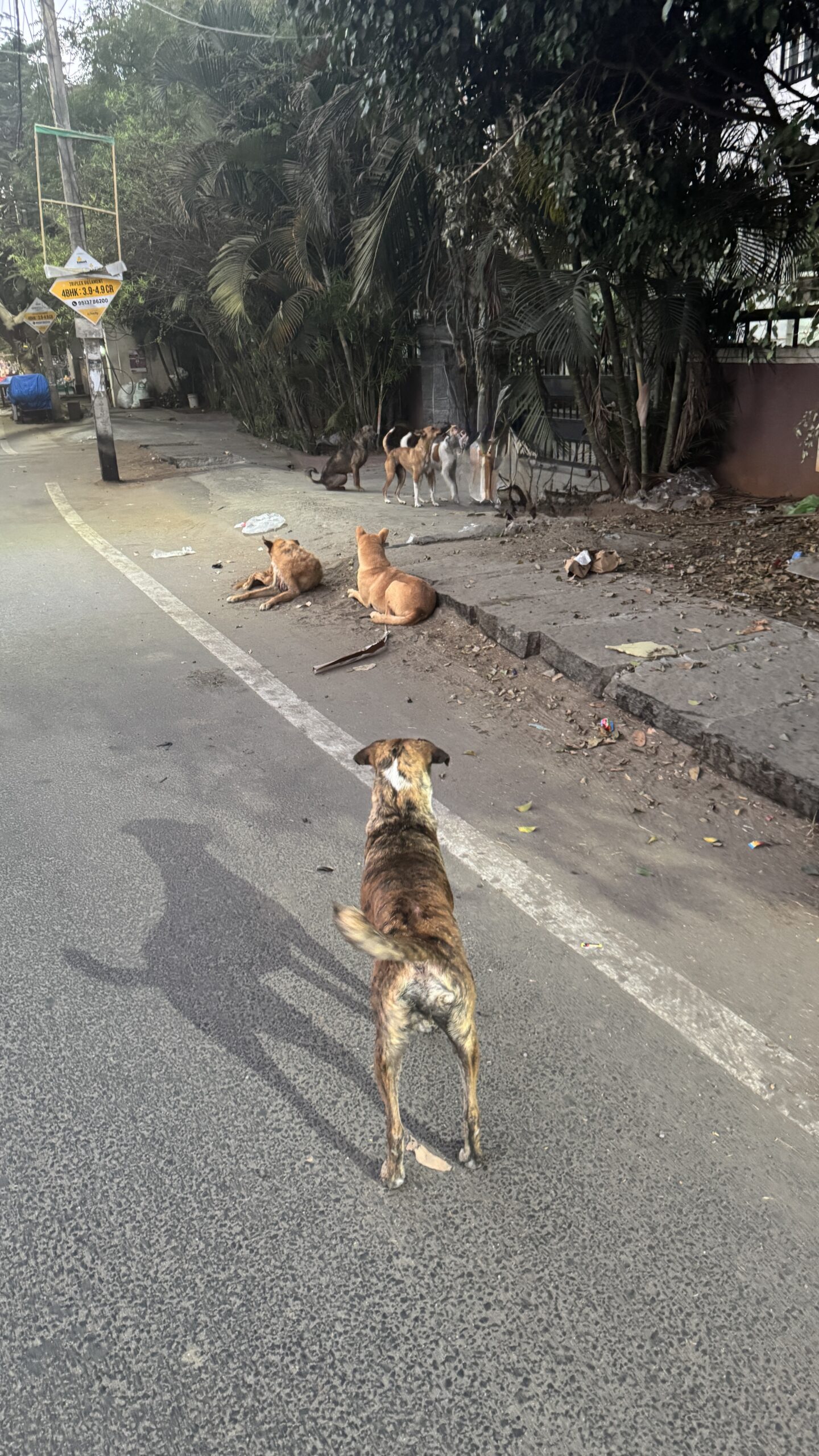
Across many Indian cities and towns, the issue of stray dogs has moved from being a routine urban challenge to a growing public safety concern. Residents, local authorities, and animal welfare groups are increasingly debating how to address the rise in stray dog populations. With reports of dog attacks and rising fear among pedestrians, especially children and elderly citizens, the problem has become more visible and urgent.
Rising Stray Dog Population Alarming Residents
The increasing stray dog population in urban and semi-urban areas has raised serious concerns about public safety. In many neighborhoods, residents report encountering groups of stray dogs on streets, near markets, and around residential complexes. These dogs often gather near garbage dumping points where food waste is easily available.
Local communities say the situation has worsened in recent years as the number of stray dogs appears to be steadily growing. Early morning walkers, delivery workers, schoolchildren, and cyclists are among those who frequently report being chased or threatened by packs of dogs.
Several incidents across different cities have heightened public anxiety. Videos circulating on social media showing stray dogs chasing vehicles or attacking pedestrians have intensified fears among residents. Parents are especially worried about the safety of children walking to school or playing outdoors.
What Is Driving the Increase?
Experts say the surge in stray dogs is linked to multiple urban factors. One major reason is poor waste management. Open garbage dumps provide a steady food supply, allowing stray dogs to survive and reproduce easily. Areas with large amounts of exposed food waste tend to attract and sustain larger dog populations.
Another factor is limited implementation of sterilization programs. Municipal authorities in many cities run Animal Birth Control (ABC) initiatives to sterilize and vaccinate stray dogs. However, these programs often struggle with limited funding, logistical challenges, and inadequate coverage.
Urban expansion also plays a role. As cities grow and construction spreads into previously undeveloped areas, stray dogs migrate or form new territories in residential neighborhoods.
Animal welfare advocates emphasize that abandonment of pet dogs also contributes to the problem. When pet owners leave dogs on the streets, these animals often join stray packs and adapt to street survival, adding to the existing population.
Public Safety and Health Concerns
The growing number of stray dogs has led to increasing public safety concerns. Reports of dog bites and aggressive behavior have been recorded in several municipalities. Health officials warn that dog bites carry the risk of rabies, a potentially fatal disease if not treated promptly.
Hospitals in some regions report thousands of dog bite cases every year. Children are among the most vulnerable victims because they may not recognize warning signs of aggressive dogs. Elderly residents also face difficulty defending themselves when approached by aggressive animals.
Nighttime incidents are another major concern. Stray dogs often become more territorial at night, and people returning home late or riding two-wheelers sometimes encounter packs of dogs that chase vehicles or pedestrians.
While not all stray dogs are aggressive, the unpredictability of pack behavior makes many residents feel unsafe in their own neighborhoods.
Balancing Animal Welfare and Public Safety
The issue of dog attacks in cities has sparked debate about how best to manage stray dog populations while maintaining humane treatment of animals. Animal rights organizations stress that dogs should not be harmed or removed indiscriminately. Instead, they advocate large-scale sterilization, vaccination, and responsible waste management.
Municipal authorities in several cities have begun expanding sterilization campaigns. These programs aim to control population growth over time while also vaccinating dogs against rabies. When implemented effectively and consistently, such programs have shown positive results in some regions.
Community participation is also considered essential. Residents are encouraged to avoid feeding stray dogs in areas where large packs may form and to report aggressive animals to municipal authorities for intervention.
Animal welfare groups also promote adoption programs to reduce the number of dogs living on the streets.
Government and Civic Responses
Several state and municipal governments are now exploring stronger strategies to tackle the stray dog problem. Some cities have announced plans to increase sterilization capacity, improve dog shelters, and enhance vaccination drives.
Authorities are also focusing on improving waste management systems to reduce food sources that attract stray animals. Closing open garbage dumping areas and ensuring regular waste collection are considered key steps in addressing the issue.
Public awareness campaigns are being planned in some areas to educate citizens about safe interactions with stray animals and the importance of reporting incidents.
Despite these efforts, many urban planners say long-term solutions require coordinated action between local governments, animal welfare groups, and communities.
What Lies Ahead
The challenge of managing stray dogs in urban areas is unlikely to disappear quickly. Experts believe that consistent sterilization programs, improved urban sanitation, and community awareness are essential for reducing risks while ensuring humane treatment of animals.
Without sustained action, the conflict between human safety and animal welfare could continue to intensify in many cities.
Conclusion
The rise in stray dog populations has become a serious concern for public safety and urban management. Addressing the issue requires balanced policies that protect both people and animals. Long-term solutions will depend on responsible governance, effective population control programs, and active community participation.