Study Reveals Disproportionate Impact on Muslim Voters in Nandigram’s Electoral Roll Deletions
A recent analysis conducted by the Kolkata-based Sabar Institute has unveiled startling statistics concerning voter deletions in Nandigram, West Bengal. Although Muslims constitute only a quarter of the region’s population, they represent a staggering 95.5% of those removed from the electoral rolls in the latest supplementary lists issued by the Election Commission. This revelation has raised eyebrows and sparked discussions about the implications for political representation and electoral fairness in the area.
The findings were made public on Sunday after the Sabar Institute meticulously examined data from seven supplementary lists, which include lists 1, 2, 3, 4a, 7, 8, and 9. Nandigram is a significant constituency, currently represented by Suvendu Adhikari of the Bharatiya Janata Party (BJP), who is gearing up for the upcoming elections. The first phase of voting in this region is scheduled for April 23, adding urgency to the scrutiny of the electoral process.
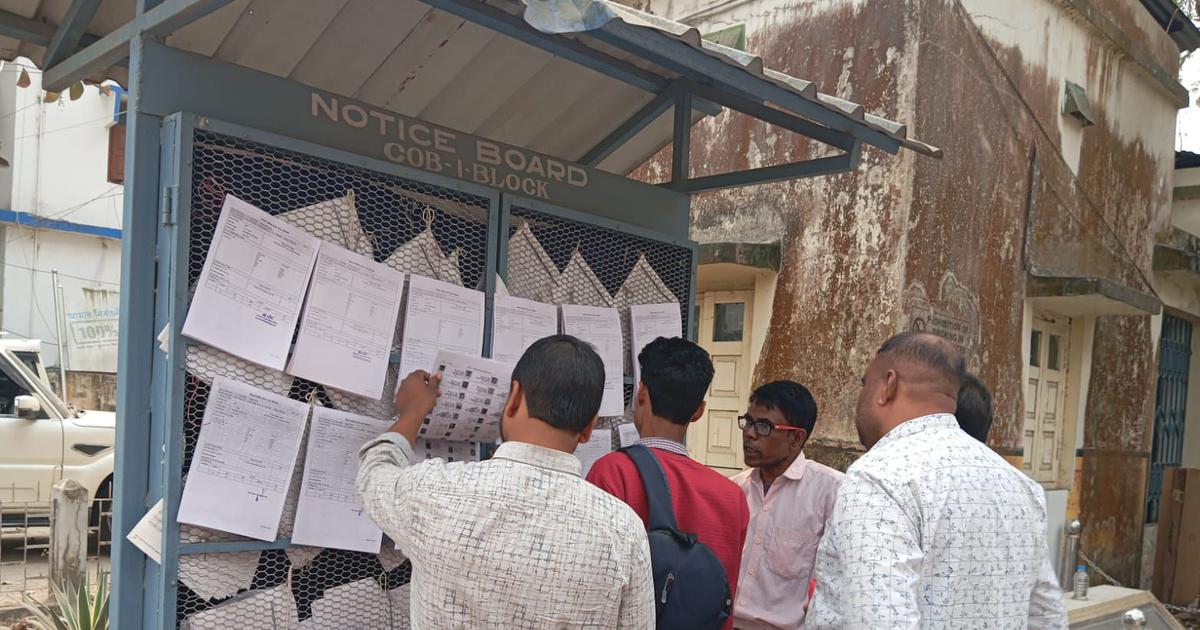
The Election Commission has been undertaking a special intensive revision of the electoral rolls, with the first revised list published on March 23. Since then, a total of ten lists have been released that detail the identities of voters who have been either deleted or approved. The data has revealed a concerning trend where the proportion of Muslim voters deleted from the rolls has fluctuated between 60.9% and 98.7% across the various lists examined. The only anomaly was observed in list 4a, which indicated that all deletions were non-Muslim women, further complicating the narrative surrounding voter representation.
This situation has raised questions about the electoral integrity in Nandigram and whether such deletions reflect broader discriminatory practices against Muslim voters in West Bengal. The significant discrepancy between the general population and the percentage of voter deletions has ignited debates among political analysts and community leaders. Many are concerned that these actions may disenfranchise a large segment of the community, potentially swaying the electoral outcomes in favor of dominant political parties.
As the elections approach, the scrutiny of the electoral roll revisions will be critical. The Sabar Institute’s report adds to the mounting calls for transparency and accountability from electoral bodies to ensure that all eligible voters retain their rights to participate in democracy. Stakeholders are urging for an immediate investigation into the voter deletion processes to uphold the principles of fair representation and to mitigate the risk of political marginalization for any community.