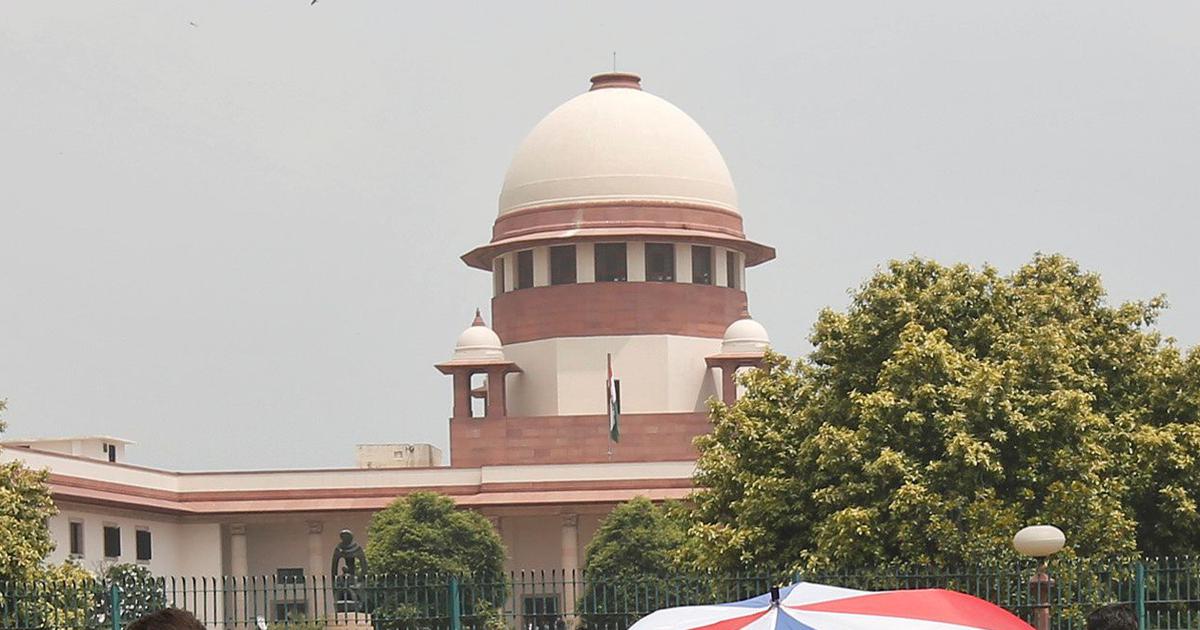
The Supreme Court of India expressed apprehensions on Friday regarding the potential consequences of a proposed menstrual leave policy. The court indicated that such a policy could inadvertently discourage employers from hiring women, thereby hindering their participation in the workforce. This sentiment emerged during the court’s response to a petition filed by Shailendra Mani Tripathi, who sought paid menstrual leave across all businesses.
Chief Justice Surya Kant and Justice Joymalya Bagchi were part of the bench that discussed the implications of this policy. They emphasized the need for the Union government to develop a menstrual leave strategy after consulting relevant stakeholders. This direction followed Tripathi’s persistent efforts, having filed multiple petitions on the matter, including an earlier one in February 2023. That petition was resolved by allowing him to submit a representation to the Ministry of Women and Child Development regarding the need for such a policy.
Interestingly, when Tripathi approached the Supreme Court again in 2024, he highlighted that the ministry had yet to respond to his request. His second plea was addressed in July 2024, with the court urging the government to make a definitive policy decision. During Friday’s hearing, the bench raised questions about Tripathi’s standing, noting that no women had directly petitioned the court on this issue.
This raises an important point about how policies are formed and whom they genuinely represent. Critics argue that policies like menstrual leave could perpetuate the notion that women are less capable in the workplace, especially during challenging times. The court’s remarks suggest a cautious approach towards policies that could unintentionally reinforce outdated stereotypes about gender roles in professional settings.
As the conversation around women’s health and workplace rights continues to evolve, the Supreme Court’s call for a more collaborative approach to formulating a menstrual leave policy is a significant step. It signals the need for inclusive dialogue that considers the perspectives of all stakeholders, particularly women who would be most affected by such regulations.