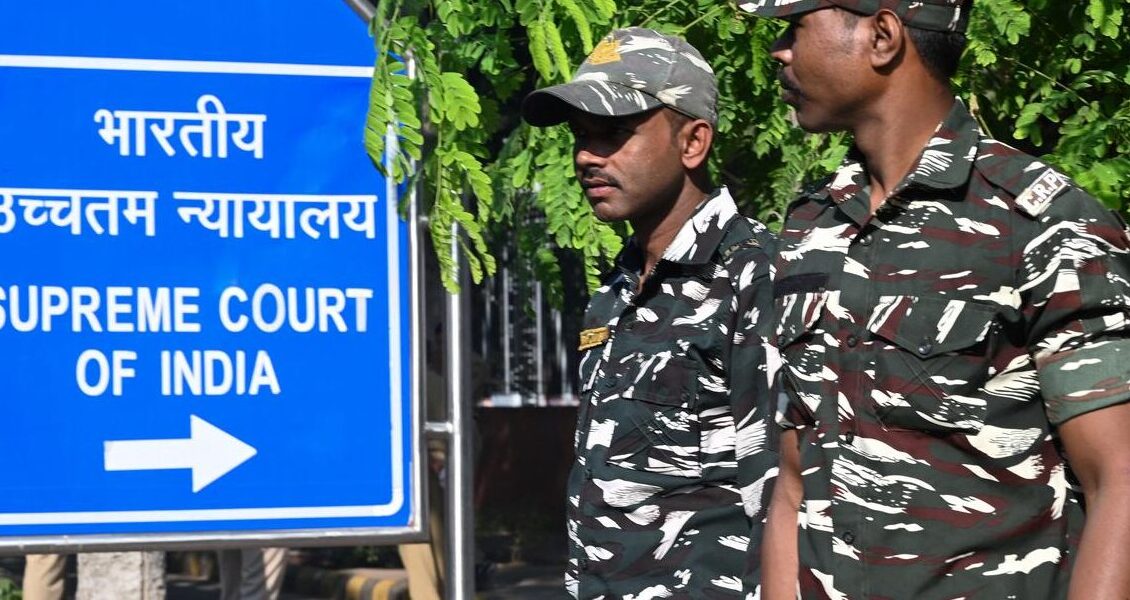
In a landmark ruling, the Supreme Court of India has reiterated that only individuals belonging to Hindu, Buddhist, and Sikh faiths are entitled to claim Scheduled Caste status. This decision, delivered by a bench comprising Justices PK Mishra and Manmohan, establishes a significant precedent regarding the eligibility criteria for Scheduled Caste recognition under Indian law.
The court’s pronouncement arose from an appeal against a previous verdict by the Andhra Pradesh High Court that quashed a complaint filed by a pastor who alleged caste-based discrimination. The pastor, a Dalit by birth, converted to Christianity and subsequently sought redress under the Scheduled Caste and Scheduled Tribe Prevention of Atrocities Act, citing incidents of caste discrimination. However, the High Court ruled that his conversion led to the loss of his Scheduled Caste status, as outlined in Clause 3 of the 1950 Constitution Scheduled Caste Order.
The Supreme Court’s ruling reinforces the interpretation that conversion to any religion outside the three specified—Hinduism, Buddhism, and Sikhism—automatically disqualifies individuals from claiming Scheduled Caste rights, regardless of their birth status. This decision has stirred a complex debate surrounding the intersections of religion, caste, and identity in contemporary Indian society.
Critics of the ruling argue that it undermines the fundamental rights of individuals who seek to embrace different faiths, thereby perpetuating systemic discrimination. They contend that the caste system’s deep-rooted history and the socio-economic struggles of Dalits should not be negated by a change in religious affiliation. Proponents of the ruling, however, assert that it upholds the integrity of the Scheduled Caste categorization and maintains the original intent of the laws designed to protect marginalized communities within those three religions.
This ruling unfolds against the backdrop of ongoing discussions about the need for equitable treatment of all communities, including the demand for Scheduled Caste status for Dalit Christians and Muslims. The broader implications of the court’s decision may prompt further scrutiny of caste dynamics in India, as it influences both legal interpretations and societal attitudes toward conversion and identity.