{
"headline": "Supreme Court Incident and HDFC Bank Chairman's Resignation: A Deep Dive into India's Institutional Integrity",
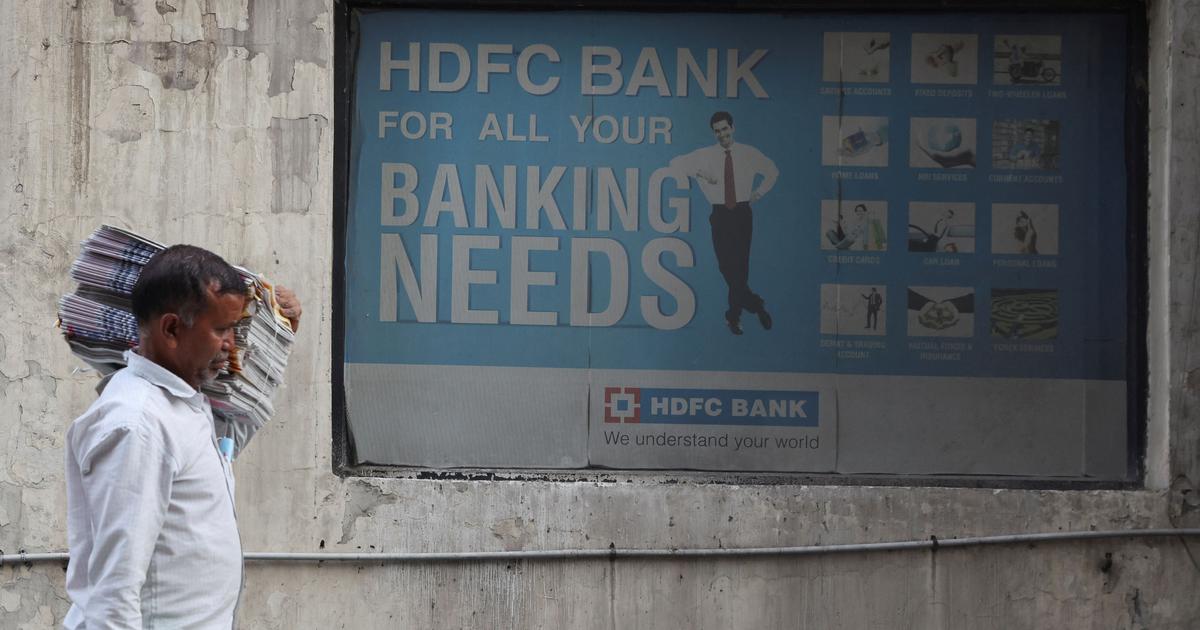
"content": "<p>The recent actions by the Supreme Court of India and the unexpected resignation of HDFC Bank's non-executive chairman have sparked a nationwide conversation about the principles of governance and ethical standards in Indian institutions. In a country where public institutions are expected to uphold the highest ethical standards, these events have raised pertinent questions regarding accountability and transparency.</p><p>In a rather unprecedented move, the Supreme Court has barred three scholars from earning a living due to their contributions to school textbooks, specifically a chapter that allegedly criticized the judiciary's standing. A law student, Rishi Kumar, took it upon himself to read the contentious chapter in its entirety and subsequently published an article on his Substack blog. In it, he argued that certain lines had been maliciously taken out of context, emphasizing that the broader narrative was one of commendation for the judiciary's role in the nation’s progress. The specific sentences that drew ire merely highlighted some public grievances about the judicial system, thus initiating a backlash against the academics involved.</p><p>In a surprising twist, Kumar reported receiving a notice from his university urging him to remove the post, later clarifying that it was merely an "advisory note." This incident not only underscores the challenges faced by scholars in voicing their opinions but also highlights a growing concern regarding the freedom of expression within educational institutions. It raises a fundamental question: how should institutions balance accountability and criticism without stifling academic discourse?</p><p>On another front, the corporate world was shaken by the resignation of Atanu Chakraborty, the non-executive chairman of HDFC Bank, a major player in India's financial landscape. His departure came amid claims that certain practices within the bank conflicted with his personal ethics and values. HDFC Bank, known for its resilience and high stock market valuation, saw a significant drop in its stock price following Chakraborty’s resignation—plummeting nearly 9% in a single trading session and wiping out approximately $16 billion in market capitalization. This abrupt decline not only affected investors but also raised alarms about the internal governance of one of India’s leading banks.</p><p>Tuhin Kanta Pandey, chairman of the Securities and Exchange Board of India (SEBI), offered comments on Chakraborty’s vague resignation statements, indicating that more clarity was needed regarding the underlying issues. The immediate market reaction reflects the intricate connection between corporate governance and investor sentiment in India. As corporate leaders grapple with maintaining ethical standards while driving profitability, the public and regulatory bodies are eagerly watching for transparency and accountability.</p><p>These incidents—the Supreme Court's actions against academics and HDFC Bank's leadership crisis—serve as a reminder of the critical importance of good governance in Indian institutions. With the judiciary and private enterprises under scrutiny, the expectations for ethical conduct and accountability have never been higher. As India continues to evolve, the dialogue surrounding governance and integrity will play a pivotal role in shaping the future of its institutions.</p>",
"seo_description": "Explore the implications of the Supreme Court's actions against academics and HDFC Bank chairman's resignation on India's governance standards.",
"tags": ["Supreme Court", "HDFC Bank", "Governance", "India News", "Judiciary"]
}