Supreme Court Upholds Madras High Court Ruling Over Thiruparankundram Hill Lamp Controversy
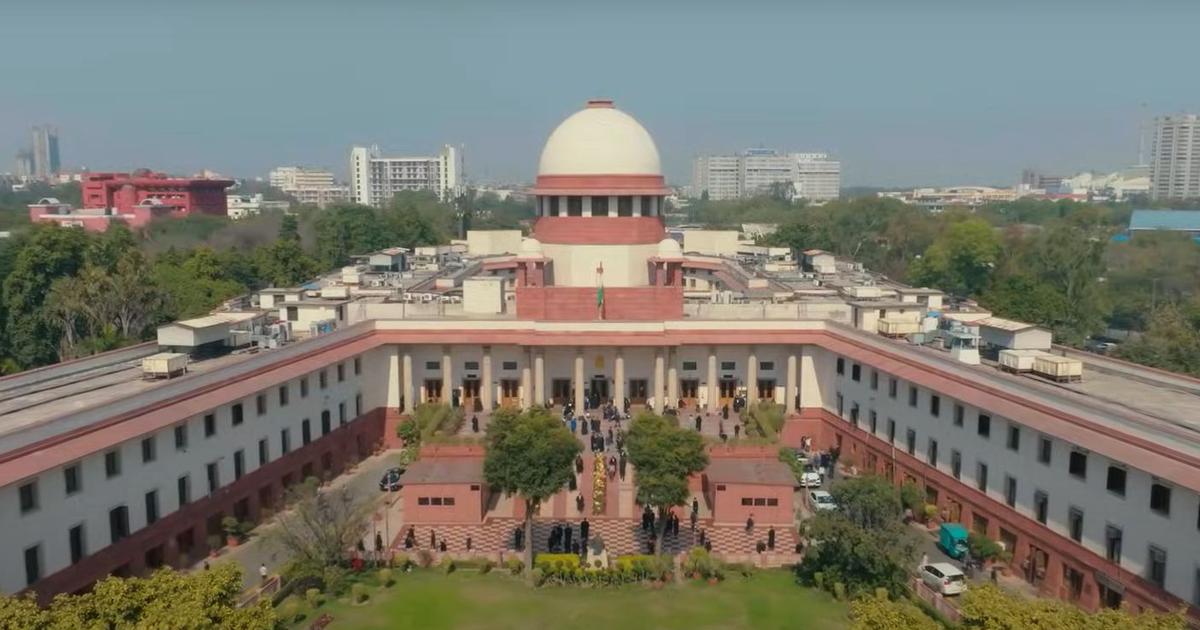
In a significant development pertaining to religious practices in Tamil Nadu, the Supreme Court of India has upheld a ruling by the Madras High Court that dismissed a petition from the Hindu Dharma Parishad. The petition sought permission to light a lamp atop the Thiruparankundram hill, a site that holds both religious and cultural significance. The Supreme Court’s decision, which was delivered on Tuesday, also involved a reduction in the financial penalty initially imposed on the Hindu group.
The controversy began when the Hindu Dharma Parishad filed a petition challenging an earlier High Court order from April 9 that criticized the group for what it described as a politically motivated appeal. The High Court had ordered the group to pay Rs 50,000 as costs for the petition, which was viewed as an effort to leverage religious sentiments for political gain. Upon review, the Supreme Court found the initial penalty excessive and reduced it to Rs 5,000, acknowledging the group’s right to contest the order but emphasizing the need for responsible legal actions.
Situated near Madurai, the Thiruparankundram hill is home to both the Arulmigu Subramania Swamy temple and the Sikkandar Badhusha dargah, highlighting the area’s shared religious heritage. The High Court judge, GR Swaminathan, previously ruled that a stone pillar on the hill serves as a deepathoon, a traditional structure intended for lamp lighting. This ruling was based on requests from local temple devotees who sought to reinstate the practice of lighting a lamp at the site, a ritual believed to enhance spiritual connectivity.
Judge Swaminathan, in his judgment, also clarified that the proposed lamp lighting would not infringe upon the religious rights of the nearby Muslim shrine, fostering a spirit of coexistence among different faiths. This decision was seen as a corrective measure to ensure that religious traditions are honored while maintaining communal harmony. Nonetheless, the ruling faced pushback from various stakeholders, including the Tamil Nadu government and the management of both the temple and dargah, who raised concerns about potential disruptions to law and order.
The Supreme Court’s ruling emphasizes the delicate balance of religious rights and community dynamics in India, particularly in areas where multiple faiths coexist. As the legal battle over Thiruparankundram hill continues, it serves as a reminder of the ongoing discussions surrounding religious practices and their implications in an increasingly diverse society. The case has resonated with many in Tamil Nadu, sparking debates about the intersection of faith, politics, and public order.