Supreme Court Upholds NCLAT Decision, Clearing Path for Adani’s Acquisition of Jaypee Assets
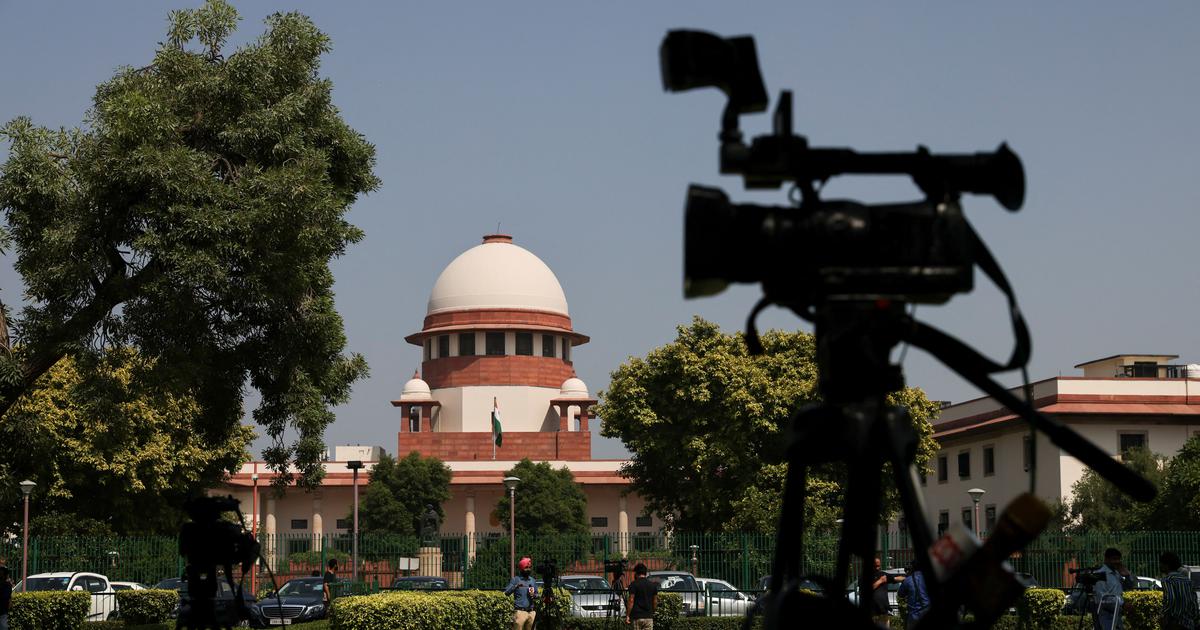
The Supreme Court of India has opted not to intervene in a recent order from the National Company Law Appellate Tribunal (NCLAT), which permitted Adani Enterprises, led by Gautam Adani, to proceed with the acquisition of assets from the financially troubled Jaypee group. This decision has set the stage for Adani’s takeover, despite protests from rival bidders.
On Monday, a bench comprising Chief Justice Surya Kant and Justice Joymalya Bagchi heard an appeal lodged by Vedanta Limited, a mining conglomerate chaired by Anil Agarwal. Vedanta sought a stay on the acquisition, arguing that their own offer for Jaypee’s assets was superior and questioning the transparency of the bidding process. The bench, however, urged the NCLAT to expedite its review of the matter, essentially encouraging a swift resolution.
The underlying legal battle centers on the approval granted to Adani’s bid by the Committee of Creditors, which plays a pivotal role in the Corporate Insolvency Resolution Process established under the Insolvency and Bankruptcy Code of 2016. This code is designed to aid companies undergoing financial distress and to facilitate the resolution of corporate insolvency cases. Prior to the NCLAT’s ruling, the National Company Law Tribunal (NCLT) had also given its nod to Adani Enterprises’ resolution plan, further complicating the dispute.
Vedanta’s challenge raises critical questions about the fairness of the bidding process, a concern that resonates in the broader context of corporate governance in India. The mining giant argues that its proposal for acquiring Jaiprakash Associates Limited was more favorable, emphasizing that a competitive bidding environment should ensure that the assets are sold to the highest and best bidder. However, the NCLT and NCLAT have thus far sided with Adani, affirming that the latter’s offer meets the required legal and financial standards.
This case underscores the intense competition within India’s corporate sector, especially in the wake of economic reforms aimed at fostering a more robust insolvency framework. As the nation grapples with the ramifications of corporate failures, the outcomes of such high-profile cases will undoubtedly shape the landscape of corporate acquisitions in the coming years. Stakeholders across various industries are closely monitoring this situation, recognizing its potential to set precedents for future insolvency cases.