Supreme Court Voices Concern Over Mamata Banerjee’s Alleged Interference with ED Operations
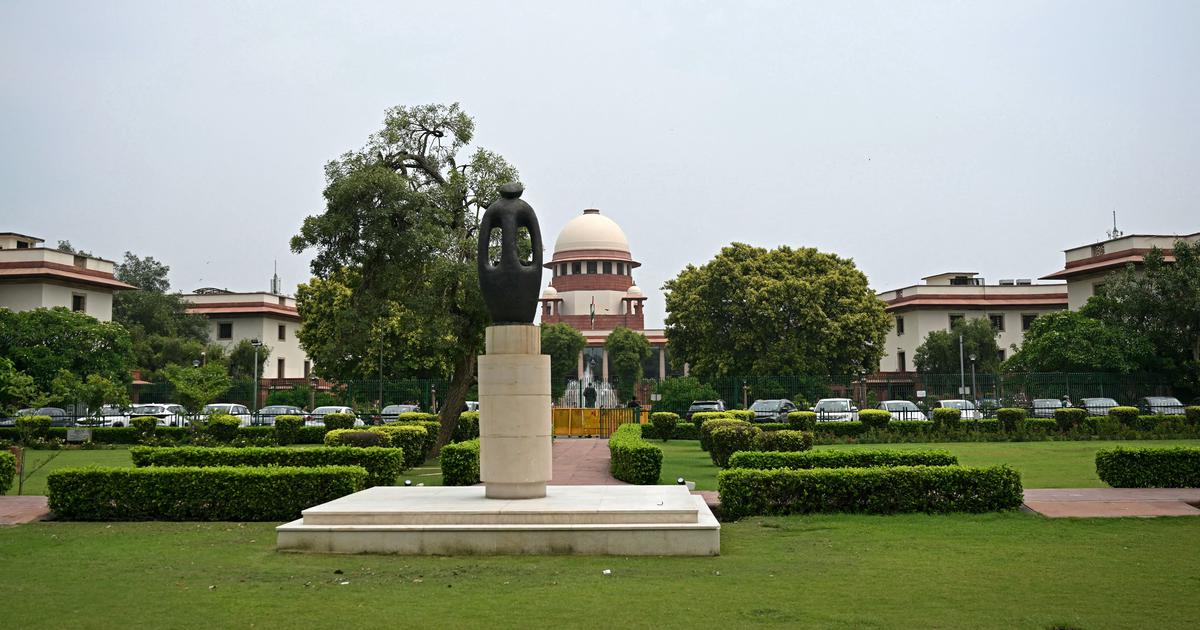
The Supreme Court of India expressed its discontent regarding West Bengal Chief Minister Mamata Banerjee’s alleged interference during Enforcement Directorate (ED) searches at the premises of the Indian Political Action Committee (I-PAC). During a hearing on Wednesday, the bench, consisting of Justices Prashant Kumar Mishra and NV Anjaria, described the situation as “not a happy one,” noting the unusual nature of the events that unfolded.
The court emphasized that a central investigative agency should not be left without recourse when its operations are hindered. The remarks came in response to a petition from the ED against Banerjee and several officers from the West Bengal Police, who are accused of obstructing the agency’s searches conducted on January 8. These searches targeted I-PAC’s office in Kolkata’s Salt Lake area, the residence of its head Pratik Jain, as well as the office of a trader in Posta, as part of an ongoing investigation into alleged money laundering activities.
On the day of the searches, Chief Minister Banerjee reportedly arrived at Jain’s residence just as the ED was conducting its operations. Witnesses noted that she spent approximately 20 to 25 minutes at the location before emerging with a file in hand. Following her departure, Banerjee claimed that the ED officials were “taking away” documents without justification, further fueling the tension between her government and the central agency.
The I-PAC has played a significant role in shaping the electoral strategies of the Trinamool Congress, particularly during the 2021 Assembly elections. Given its connection to the party’s political fortunes, the ED’s investigation into the consultancy has become a focal point of contention in West Bengal’s political landscape.
As the Supreme Court grapples with the implications of this case, the question arises: how can legal mechanisms be strengthened to prevent such conflicts in the future? The court’s inquiry reflects broader concerns about the balance of power between state governments and central agencies, particularly in politically charged environments like West Bengal. With tensions escalating between the ruling party and central authorities, the outcome of this case could have far-reaching implications for the political climate in the state.