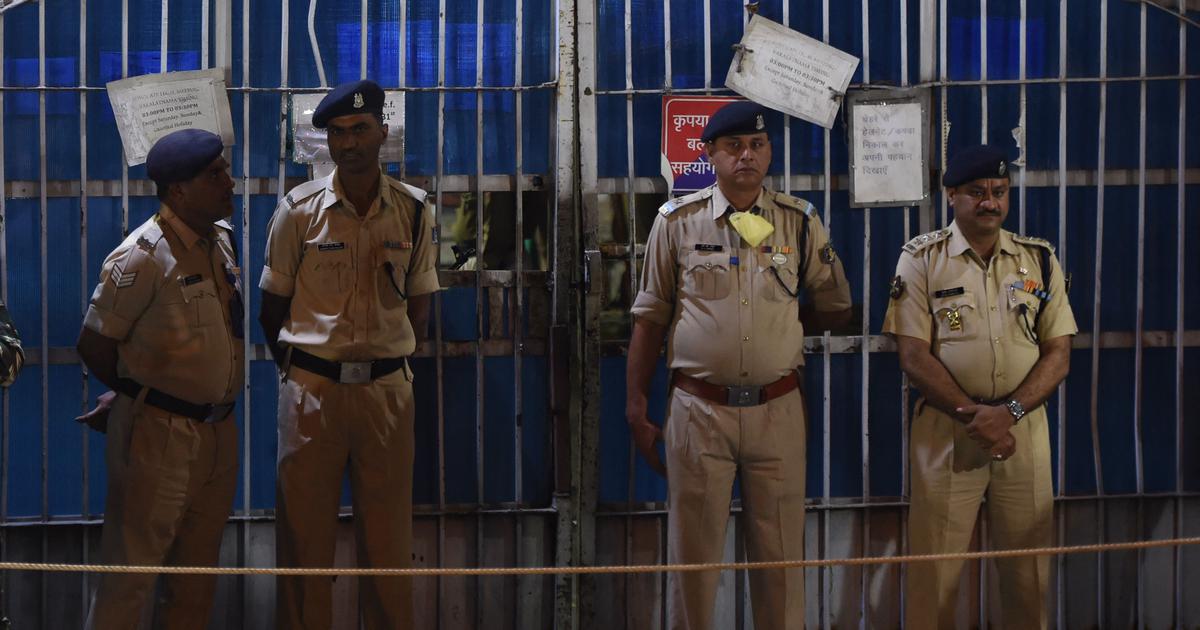
In a landmark ruling on April 6, the Madurai District Court sentenced nine police officers to death for their involvement in the horrific custodial torture and murders of P. Jayaraj and his son, J. Benicks, in Sathankulam, Tamil Nadu. The tragic incident, which occurred in June 2020 during the stringent Covid-19 lockdown, has reignited discussions around police accountability and systemic abuse.
The case began when Jayaraj and Benicks were reportedly apprehended for keeping their mobile phone shop open beyond curfew hours. Following their arrest, the police claimed the duo had inflicted self-injury while rolling on the ground, attributing their subsequent deaths to fever and high blood pressure. However, the Central Bureau of Investigation (CBI) later uncovered a grim reality: the father and son had been subjected to severe physical and sexual assault, with their deaths resulting from outright murder.
While the guilty verdict against the officers offers a semblance of closure, it highlights a disconcerting aspect that remains largely untouched—the complicity or negligence of other authorities in this tragic episode. According to established legal protocols, individuals arrested by the police must undergo a medical examination and be presented before a magistrate within 24 hours. Disturbingly, after the brutal assault, Jayaraj and Benicks did receive a medical examination, yet the necessary protocols to ensure their safety and rights were conspicuously absent.
This case raises critical questions about the systemic failures within law enforcement and the judicial process in India. The role of medical professionals and judicial authorities in safeguarding the rights of detainees is paramount, yet their apparent inaction in this case raises serious concerns. Are these institutions merely passive observers, or do they play an active role in perpetuating a culture of impunity?
Furthermore, the verdict has sparked a wider conversation regarding the culture of violence and abuse within police forces across India. With numerous incidents of custodial deaths reported over the years, there is an urgent need for comprehensive reforms to ensure accountability and transparency in law enforcement. Activists and legal experts alike argue that this case should serve as a catalyst for change, prompting a thorough examination of police practices and the bureaucratic machinery that supports them.
The public’s demand for justice resonates deeply within the fabric of Indian society, where the rights of the accused are often overshadowed by the pursuit of law and order. The Jayaraj and Benicks case serves as a chilling reminder of the urgent need for reforms that not only address individual cases of brutality but also transform the existing system into one that upholds human dignity and justice for all.
As reactions to the verdict unfold, it remains to be seen whether this ruling will lead to substantive changes in police practices or if it will merely be another statistic in the long history of custodial deaths in India. The hope is that this landmark verdict becomes a turning point in the ongoing battle against police brutality and a step towards a more just society.