Public Health Experts Raise Concerns Over High Caesarean Section Rates in Telangana’s Private Hospitals
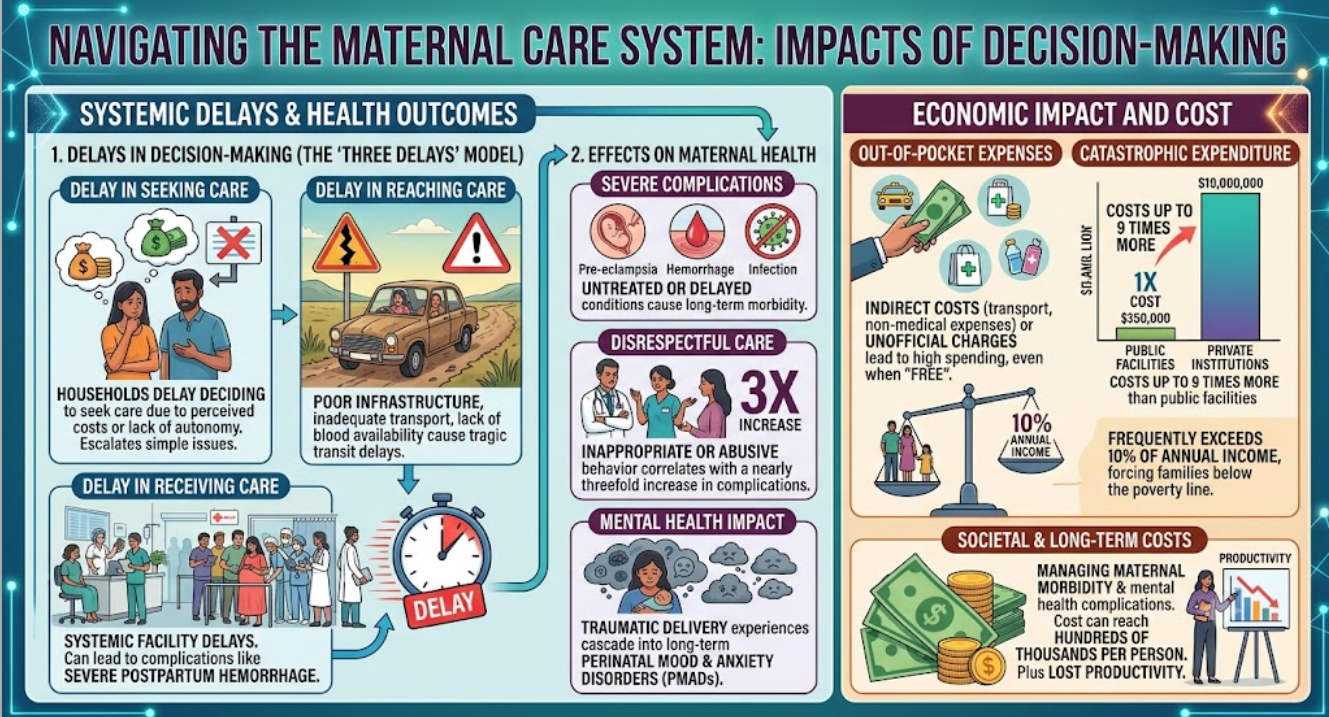
Hyderabad, India: Following the release of the latest National Family Health Survey (NFHS-6) data, public health experts and researchers have called for greater transparency and policy measures to address Telangana’s high Caesarean section (C-section) delivery rates. According to the survey, Telangana recorded the highest overall C-section rate in India at 62.2%, with significantly higher rates reported in private healthcare facilities.
NFHS-6 data shows that 83.9% of births in Telangana’s private hospitals were delivered through C-sections, compared to 81.5% in NFHS-5. In contrast, government hospitals reported a C-section rate of 48.1%.
Researchers note that the gap between public and private healthcare facilities highlights the need for a closer examination of delivery practices and medical decision-making processes. They emphasize the importance of ensuring that surgical deliveries are conducted based on clinical necessity and established medical guidelines.
Concerns Over Rising Surgical Deliveries
Public health experts have expressed concern that increasing rates of C-sections may have implications for maternal healthcare costs and post-delivery recovery.
“Studies have consistently found higher C-section rates in private facilities, driven by factors such as institutional practices and greater reliance on medical interventions,” said Angel Sudha V, Public Health Researcher at the Institute of Public Health (IPH), Bengaluru. “The trend also places a significant financial burden on families.”
An analysis published in the journal PLOS One previously estimated that a portion of deliveries in Telangana may have involved potentially avoidable C-sections. Researchers note that while C-sections are life-saving when medically required, unnecessary surgical procedures can increase healthcare expenses and may be associated with longer recovery periods and additional medical risks.
Calls for Greater Transparency
Public health organizations have acknowledged several initiatives undertaken by the Telangana government, including the expansion of midwifery training programs, performance incentives for normal deliveries in government facilities, and policy measures related to Aarogyasri reimbursements.
At the same time, healthcare advocates have suggested additional measures to improve transparency and monitoring, including:
- Publication of hospital-wise delivery and C-section statistics.
- Independent clinical audits of delivery records.
- Stronger implementation of healthcare regulations where violations are identified.
- Enhanced antenatal counselling to help expectant mothers make informed decisions regarding childbirth options.
“Reducing high C-section rates requires better antenatal counselling, supportive care during labor, clear communication between doctors and mothers, adherence to medical guidelines, and regular monitoring, especially in busy hospitals,” said Angel Sudha V.
Looking Ahead
Healthcare experts emphasize that C-sections remain an essential medical procedure when required for the safety of the mother or child. They argue that improving transparency, strengthening clinical oversight, and promoting informed decision-making can help ensure that childbirth practices remain aligned with patient welfare and established medical standards.