Tensions Escalate: Exploring the Potential for Conflict Between North Korea and Japan
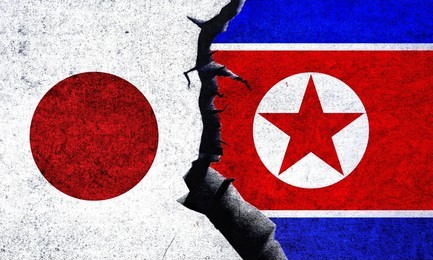
Tensions Escalate: Exploring the Potential for Conflict Between North Korea and Japan
The relationship between North Korea and Japan is a complex web of historical grievances, nuclear anxieties, and deep-seated mistrust. While a direct, full-scale war between the two nations is not a certainty, recent years have seen an alarming escalation of tensions, leaving the international community on edge and prompting serious contemplation of such a dire scenario. This article delves into the potential causes, consequences, and current situation regarding a possible conflict between North Korea and Japan.
A History of Friction: Precursor to the Crisis
To understand the current situation, one must acknowledge the historical factors that have long shadowed the region. Decades of Japanese colonial rule over the Korean Peninsula (1910-1945) left deep scars, leading to a lingering resentment in North Korea. This history, coupled with the unresolved issue of North Korean abductions of Japanese citizens, continues to strain diplomatic efforts and fuel mutual animosity.
North Korea’s Growing Prowess: The Provocation
The main driver of the current crisis is North Korea’s increasingly aggressive military behavior. The country’s repeated and provocative missile tests, particularly those that have flown over Japanese territory, are viewed with extreme concern in Tokyo. These actions are seen not just as displays of military might, but as direct threats to Japanese sovereignty and security.
Adding to this concern is North Korea’s rapidly advancing nuclear weapons program. The development of powerful ballistic missiles capable of carrying nuclear warheads has significantly shifted the security dynamic in the region. Japan, which operates under a pacifist constitution and lacks a nuclear arsenal of its own, feels particularly vulnerable to this growing threat.
Japan’s Evolving Posture: The Response
In response to the perceived threat from North Korea, Japan has been undergoing a significant shift in its defense policy. This has included:
Increased Military Spending: Japan has been ramping up its defense budget, investing in new capabilities such as missile defense systems, reconnaissance assets, and long-range weapons. This move reflects a growing recognition that its traditional purely defensive posture may no longer be sufficient.
A Call for a Pre-emptive Strike Capability: There has been a growing discussion within Japan’s political establishment about the potential need to develop a pre-emptive strike capability, specifically to target North Korean missile sites before a launch. This debate is highly controversial, as it would represent a fundamental departure from Japan’s long-standing post-World War II pacifism.
Strengthening Alliances: Japan is actively working to strengthen its security alliances, particularly with the United States and South Korea. This includes joint military exercises, enhanced intelligence sharing, and a united front against North Korea’s aggression.
The Current Situation: A State of High Alert
The situation between North Korea and Japan remains highly volatile. Each North Korean missile launch triggers a direct response from Japan, which may include scrambling aircraft, issuing a verbal condemnation, or raising its military alert level. This constant state of high alert, coupled with the ongoing war of words, has created an environment of intense uncertainty and heightened risk.
The Catastrophic Consequences of Conflict
A conflict between North Korea and Japan, should it erupt, would be catastrophic on a global scale. The consequences would be devastating, far-reaching, and long-lasting:
Humanitarian Disaster: The civilian casualties would be immense, particularly in densely populated areas like Japan. A nuclear attack, in particular, would result in unimaginable suffering and loss of life.
Regional Instability: A war between the two nations would inevitably draw in other major powers, including the United States, China, and South Korea, leading to a destabilized and unpredictable region.
Global Economic Shockwaves: The conflict would disrupt global supply chains, roil financial markets, and send energy prices soaring, leading to a deep global economic recession.
The Narrow Path Forward: De-escalation and Diplomacy
Despite the mounting tensions, there are still glimmers of hope. A peaceful resolution to the crisis is still possible, but it requires concerted effort from all parties:
Sustained Diplomatic Engagement: The international community must continue to pressure North Korea to return to the negotiating table. A dialogue aimed at denuclearization and normalizing relations remains the ultimate goal.
Confidence-Building Measures: Measures to improve communication and reduce the risk of miscalculation are crucial. This could include establishing direct hotlines and increasing transparency around military activities.
The Role of Regional Powers: China, a key ally of North Korea, has a significant role to play in de-escalating tensions. The international community must work with China to find a diplomatic solution.
The tensions between North Korea and Japan are a serious and complex issue with global ramifications. While the potential for conflict is very real, the path forward must be one of de-escalation, diplomacy, and a shared commitment to a peaceful and stable region. The stakes are simply too high to allow this crisis to spiral out of control.