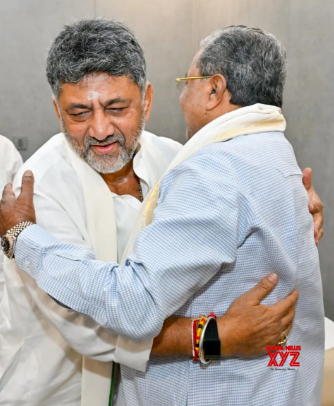
BENGALURU — Political power transitions are rarely smooth. More often, they are defined by public acrimony and factional feuds. However, the Chief Ministerial handover in Karnataka from veteran leader Siddaramaiah to D.K. Shivakumar offers a masterclass in strategic statesmanship.
Deconstructing the transition reveals three critical lessons for modern political leaders on how to manage power, legacy, and institutional stability.
1. Prioritize Institutional Stability Over Factional Friction
When leadership changes trigger internal party crises, it often paralyzes the state administration. Siddaramaiah avoided this by choosing a path of astute consensus-building.
• The Action: By formally resigning and publicly backing his successor, he neutralized potential rebellion among his loyalists and presented a united front.
• The Lesson: True political strength lies in knowing when to transition. Leaders who prioritize the long-term health of the institution over personal tenure safeguard their own legacy from being tarnished by a messy exit.
2. Leverage Ideological Anchoring for Political Longevity
A common pitfall for exiting leaders is the rapid erosion of their relevance once they vacate office. Siddaramaiah mitigated this by heavily leaning into his core principles during the handover.
• The Action: In his parting addresses, he reinforced his commitment to secularism and the welfare of the AHINDA (Minorities, Backward Classes, and Dalits) coalition, reminding everyone that while leaders change, the foundational movement does not.
• The Lesson: Power is transactional, but ideology is enduring. Leaders who remain the ideological compass of their movement retain their influence long after they step down.
3. Maintain Influence Through Administrative Pragmatism
A seamless transition does not mean total capitulation. A closer look at the post-transition setup shows that a strategic exit can secure long-term systemic leverage if a leader maintains their core strategic assets.
Siddaramaiah achieved this through his profound financial indispensability; having presented 13 state budgets, his economic expertise remains vital to the state’s fiscal direction. Furthermore, his administrative clout is clearly visible in the newly formed cabinet, where a significant number of newly sworn-in ministers trace their allegiance back to him. Combined with an unrivalled grassroots mass connection, this pragmatism allows him to smoothly transition from an active administrator to an indispensable elder statesman.
• The Lesson: Pragmatic leaders do not need a title to hold leverage. By mentoring incoming leadership and protecting their political ecosystem, leaders can successfully trade direct command for enduring systemic influence.
The Takeaway
The Karnataka handover demonstrates that a political exit is not a zero-sum game. By projecting unity alongside D.K. Shivakumar, Siddaramaiah elevated his status from a regional leader to a mature statesman. For contemporary leaders, the lesson is clear: a dignified, strategic exit yields far more political capital than a desperate fight to hold onto power.