The ongoing conflict in West Asia, particularly the recent airstrikes between the US, Israel, and Iran, has captured global headlines due to its immediate implications on oil prices and geopolitical stability. However, the environmental consequences of this warfare are brewing beneath the surface, threatening ecosystems and climate efforts for years to come.
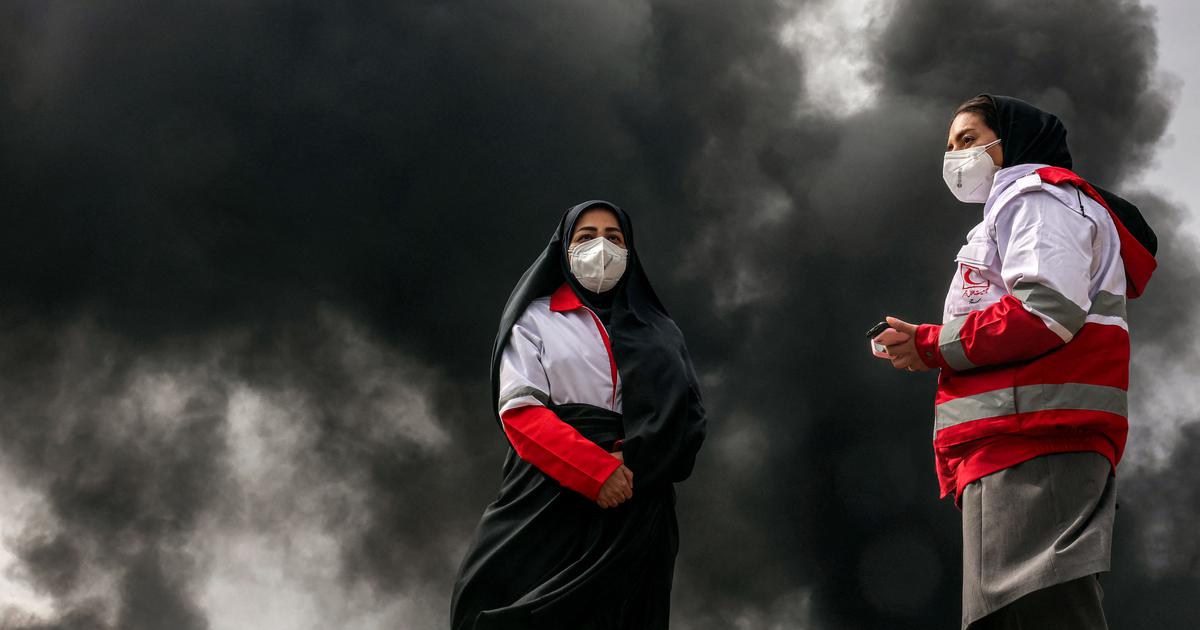
In the aftermath of the airstrikes, which took place around March 7-8, images of Tehran’s once-clear skies shrouded in thick black smoke have surfaced, highlighting the devastating impact on urban air quality. Strikes on key oil storage facilities and distribution centers have led to toxic spills that are now contaminating the soil and water resources in the region. While international attention has been focused on the prospect of price hikes and military escalation, the lesser-discussed environmental crisis emerging from this conflict could have far-reaching repercussions for the entire planet.
The Strait of Hormuz, a crucial chokepoint for global oil supply, may influence immediate market conditions. However, the lasting damage inflicted on marine and terrestrial ecosystems will likely take decades to remedy, if they recover at all. The war is not only exacerbating oil price volatility but also contributing significantly to greenhouse gas emissions, further complicating efforts toward a sustainable energy transition.
As the environment pays the price for military aggression, the ramifications extend beyond national borders. Contaminated waters and polluted air do not respect geopolitical boundaries; they impact neighboring countries and, ultimately, the global community. For India, which imports a substantial portion of its oil from the Gulf region, the environmental ramifications are particularly concerning. Rising oil prices could strain the Indian economy while the environmental fallout continues to pose a risk to trade and public health.
Moreover, the disruption of oil supplies due to military tensions can lead to shifts in energy policies, pushing nations to reconsider their energy strategies. This could provide an opportunity to accelerate renewable energy projects; however, the immediate focus remains on stabilizing the volatile situation in West Asia. As citizens of a rapidly developing nation, it is vital for Indians to stay informed about these developments—not just for their economic implications but for the broader environmental context.
In conclusion, while the headlines are filled with reports of military actions and economic concerns, the hidden environmental costs of the West Asia conflict deserve equal attention. The ongoing environmental disaster is not just a regional issue; it’s a global concern that we must collectively address. The fight for a stable future should encompass both geopolitical stability and sustainable environmental practices, underscoring the interconnectedness of our world today.