Introduction: A Coalition of One?
Since the joint U.S.-Israeli strikes on February 28, 2026—which resulted in the assassination of Supreme Leader Ali Khamenei—the international community has witnessed a historic breakdown in Western military cohesion. Unlike the “Coalition of the Willing” in 2003, the Trump administration’s Operation Epic Fury has encountered a “Wall of Non-Cooperation” from traditional allies, leaving the United States and Israel to navigate a regional conflagration largely in isolation.
The European Refusal: Legalism over Loyalty
The most significant resistance has emerged from Europe, where leaders have prioritized international law and domestic stability over transatlantic alignment.
The United Kingdom: In a stunning departure from historical precedent, Prime Minister Keir Starmer has refused to join the offensive campaign. While London has permitted the use of the Diego Garcia base for “defensive purposes,” it has explicitly banned its use for strikes on Iranian soil, with Starmer famously stating the UK does not support “regime change from the skies.”
Spain & France: Madrid has enforced a total ban on U.S. forces launching strikes from Spanish territory, prompting threats of a trade embargo from Washington. Meanwhile, President Emmanuel Macron has called for emergency UN Security Council discussions, warning that military action without a clear mandate undermines the global rules-based order.
Germany: Public opinion in Germany remains fiercely opposed, with nearly 60% of citizens viewing the strikes as unjustified. Berlin has limited its role to humanitarian aid and regional diplomacy, refusing any direct military contribution.
NATO’s Strategic Distancing
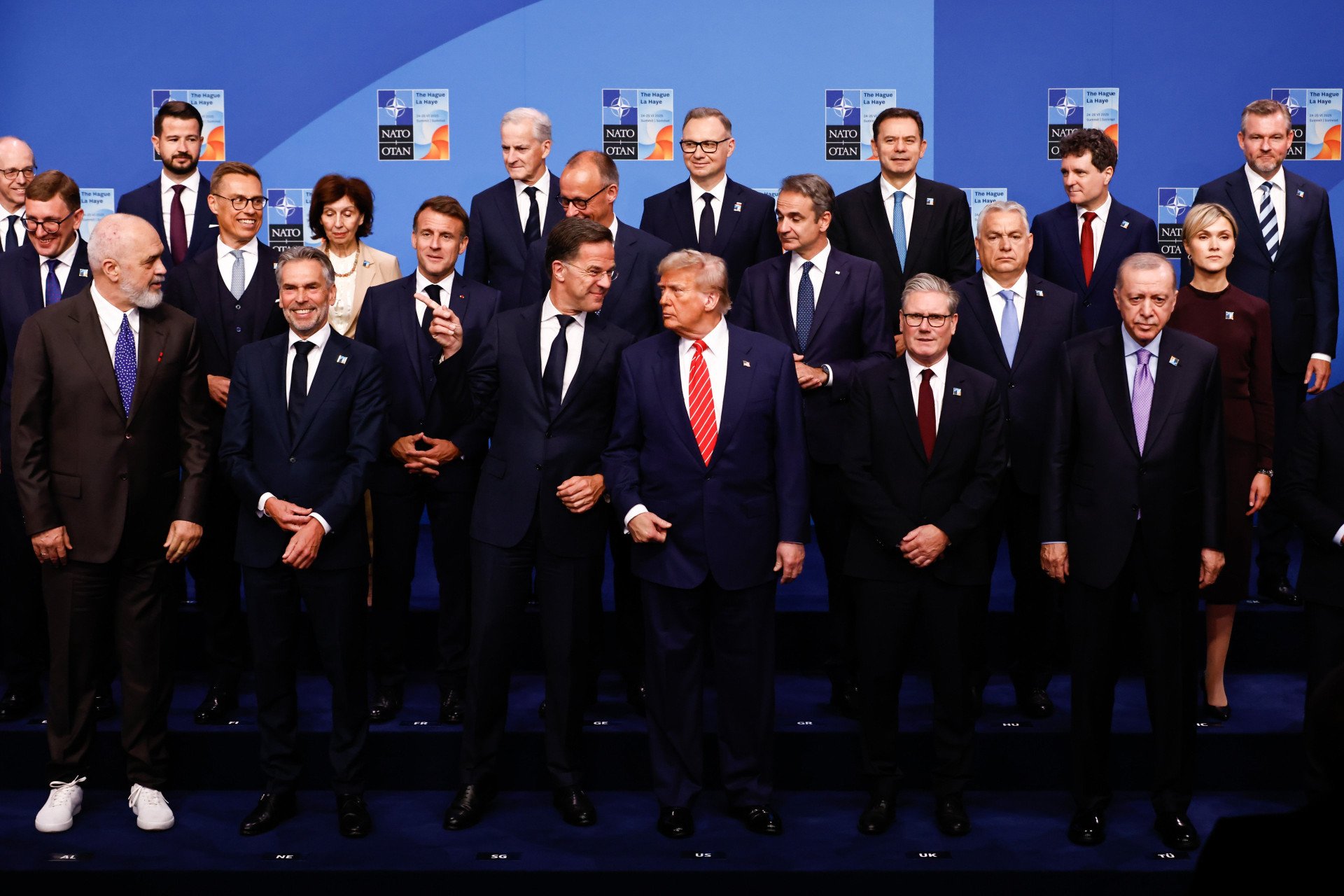
Despite intense pressure from the White House, NATO has officially classified the conflict as “outside the alliance’s operational zone.”
Member State Stance on Involvement Key Action/Restriction
United States Lead Belligerent Launching Operation Epic Fury
United Kingdom Defensive Support Only Restricted use of Diego Garcia
Spain Non-Cooperation Denied use of airbases for strikes
Italy Indirect Assistance Deployed anti-missile systems to Gulf partners
Turkey Neutral/Critical Balancing
The alliance has notably refused to invoke Article 5, even as Iran retaliates against U.S. bases in member states like Turkey. The prevailing legal interpretation is that the initial strikes constituted a “war of choice,” thereby exempting the alliance from collective defense obligations.
The Regional Paradox: Silence and Survival
In the Middle East, “allies” find themselves in a perilous position. While countries like Saudi Arabia and the UAE share an interest in curbing Iranian influence, the sheer scale of Iranian retaliation—targeting energy infrastructure and desalination plants—has forced a policy of strategic caution.
”The Americans should know that if they start a war, this time it will be a regional war.” — The late Ali Khamenei, February 2026
Many Gulf states have signaled a refusal to allow their soil to be used for offensive operations, fearing that being a “launching pad” will make them permanent targets for Iranian drones and missiles. This has limited the U.S. to carrier-based operations and long-range strikes, complicating the logistics of a sustained campaign.
Conclusion: The Cost of Unilateralism
The 2026 Iran War has exposed the limits of American coercive power. By bypassing traditional consultative frameworks, the U.S. has found that while it possesses the technology to “decapitate” a regime, it lacks the diplomatic capital to manage the aftermath. The non-cooperation of allies has not only slowed military momentum but has also created a vacuum that Russia and China are increasingly eager to fill.