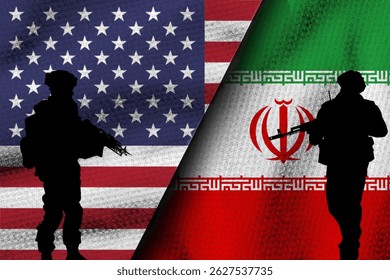
The 2026 Gas Crisis: The Global Fallout of the US-Iran War
The geopolitical landscape shifted violently on February 28, 2026, when the United States and Israel launched a series of coordinated airstrikes against Iran. What began as a targeted military operation has rapidly spiraled into a regional war, triggering the most significant energy crisis of the decade. As of March 2026, the closure of the Strait of Hormuz—a chokepoint responsible for nearly 20% of the world’s oil and Liquified Natural Gas (LNG)—has sent shockwaves through global markets.
For a nation like India, which balances a delicate energy ecosystem, this “Gas War” is no longer a distant headline; it is a kitchen-table reality.
Why the Crisis is Different in 2026
Unlike previous oil shocks, the 2026 crisis is defined by a double-squeeze on both crude oil and natural gas (LNG/LPG). Iran’s retaliatory strikes on energy infrastructure in neighboring Gulf states have forced global suppliers to declare force majeure on shipments.
Oil Prices: Brent crude has surged past $110-$120 per barrel, the highest levels seen in years.
Gas Shortages: Regional LPG (cooking gas) and LNG (industrial gas) exports from the Middle East have effectively dried up.
Logistics: Shipping insurance premiums have jumped by 50%, making it nearly impossible for tankers to navigate the Persian Gulf without massive financial risk.
How India is Suffering: The Detail
India’s vulnerability stems from its massive import dependency. With 90% of its crude and over 60% of its LPG passing through the now-blocked Strait of Hormuz, the impact has been immediate and severe.
1. The Kitchen Crisis (LPG Shortage)
The most visible sign of the war in India is the LPG crunch.
Supply Halts: In states like Rajasthan and Maharashtra, oil marketing companies have directed distributors to halt new bookings for commercial cylinders.
Price Hikes: Domestic LPG prices have risen by roughly ₹60, while commercial cylinders (used by restaurants) have jumped by over ₹114.
Hospitality Sector: In cities like Bengaluru and Chennai, nearly 50% of hotels and restaurants are facing potential shutdowns due to a near-complete halt in gas supply.
2. The Industrial Grind (LNG Supply)
India’s manufacturing hubs are feeling the “LNG squeeze.”
The Morbi Cluster: Gujarat Gas has slashed supplies to the ceramic industrial cluster in Morbi by 50-70%, threatening thousands of jobs.
Fertilizer and Power: Fertilizer production (Urea) relies heavily on imported gas. Disruptions now could lead to a food security crisis during the upcoming summer crop season.
3. Economic Indicators
Inflation: The “fuel-to-food” pipeline is active; as transport costs rise, retail inflation is expected to climb.
Trade Deficit: Analysts estimate that every $10 increase in oil prices adds $13-14 billion to India’s annual import bill, weakening the Rupee.
India’s Strategic Response
While the government has assured the public that fuel prices (petrol/diesel) will remain stable for now, the “India First” policy is in full effect:
Strategic Reserves: India is tapping into its underground caverns at Visakhapatnam and Mangaluru, though these only hold about 9.5 days of supply.
Prioritization: The government issued the Natural Gas (Supply Regulation) Order, 2026, prioritizing gas for households (PNG) and public transport (CNG) over industrial users.
The Bottom Line: The 2026 conflict proves that India’s energy security is deeply tethered to the stability of the Middle East. While strategic reserves provide a temporary buffer, a prolonged war of more than four weeks could force the Indian economy into a period of forced austerity.
Aranyak Chakraborty