THE HORMUZ REPRIEVE: A Fragile Calm in the 2026 Conflict
Title Card
Conflict: Operation Epic Fury / 2026 Iran-Israel-US War
Status: Active Two-Week Ceasefire (Effective April 8, 2026)
Mediator: Pakistan (with Chinese and Gulf support)
Key Condition: Reopening of the Strait of Hormuz
Global Impact: WTI Crude Oil prices down 10-13%; Stock markets rallying
Overview: The Midnight Breakthrough
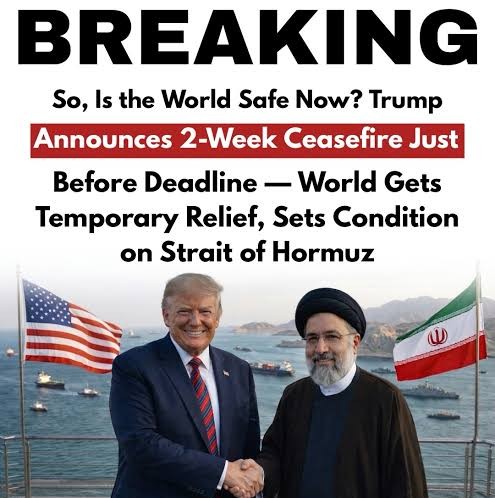
Following weeks of devastating aerial bombardments and the looming threat of “civilizational destruction,” the United States, Israel, and Iran have entered a precarious two-week ceasefire. The agreement, brokered in the eleventh hour by Pakistani Prime Minister Shehbaz Sharif and Gen Asim Munir, narrowly averted a massive U.S. escalation scheduled for 8:00 PM on April 7.
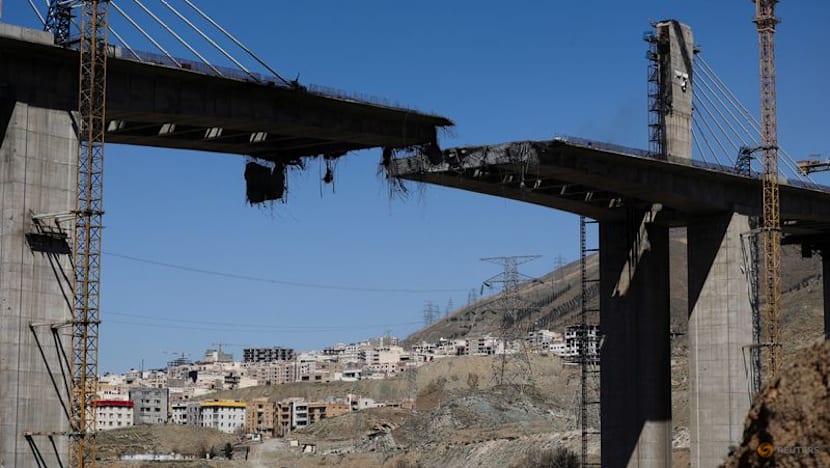
The conflict, which began on February 28, 2026, has fundamentally reshaped Middle Eastern geopolitics, resulting in the death of Iranian Supreme Leader Ali Khamenei and significant damage to Iran’s nuclear and naval infrastructure.
Key Terms of the Ceasefire
The “Two-Week Pause” is not a final peace treaty but a cooling-off period intended to formalize a long-term resolution. The primary pillars include:
Hormuz Reopening: Iran has agreed to allow the free flow of oil through the Strait of Hormuz. However, Tehran maintains that the passage remains under “Iranian military management.”
Israeli Pause: The IDF has suspended its “regime target” strikes in Tehran and southern Lebanon, where it has been engaged with Hezbollah.
The “10-Point Plan”: Iran is pushing a proposal that demands the lifting of all primary and secondary sanctions and international recognition of its uranium enrichment program.
U.S. Ultimatum Suspension: President Trump has suspended threats to strike Iranian civilian infrastructure, stating that “military objectives” regarding missile degradation have largely been met.
Economic and Regional Ripple Effects
The announcement of the ceasefire sent immediate shockwaves through global markets:
Energy: Oil prices, which had spiked due to the closure of the Strait, plummeted. WTI Crude saw a historic intraday drop of over 10%.
Markets: The Dow Jones and S&P 500 futures rose by over 1.5% as the immediate threat of a wider regional war subsided.
Humanitarian Crisis: The pause provides a vital window for aid in Lebanon—where one-sixth of the population has been displaced—and in Iranian cities hit by recent strikes.
The Road Ahead: Stability or Stall?
Despite the optimism, the situation remains a “powder keg.” The fundamental disagreements remain:
Nuclear Ambitions: The U.S. and Israel demand a total halt to enrichment, while Iran’s 10-point plan makes enrichment a non-negotiable right.
Internal Iranian Politics: Following the death of Khamenei earlier this year, the Iranian regime is in a state of flux, balancing “elite cohesion” with widespread domestic protests over a failing economy.
Proxy Activity: While the main fronts are quiet, IRGC-linked groups and Hezbollah remnants remain a wild card that could break the truce at any moment.
”We have studied the proposal… it is a very significant step. But ‘significant’ is not always ‘good enough.’ We will see what happens in the next 14 days.” — President Donald Trump, White House Briefing, April 8, 2026.