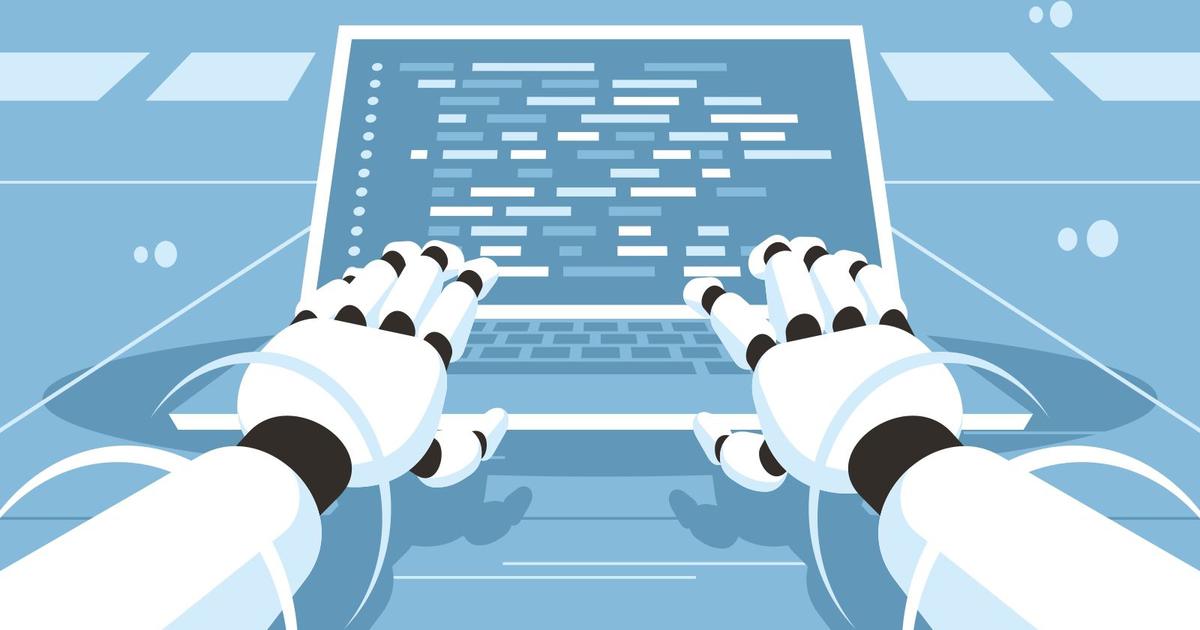
In today’s digital age, the advent of artificial intelligence (AI) has transformed the way we communicate. Whether it’s texting a friend or drafting an important email, AI tools equipped with predictive text technology suggest words and phrases that can make our writing quicker but potentially dilute our personal expression. A common scenario unfolds: you start typing, and your device anticipates your thoughts, offering suggestions that range from mundane to amusing. This seamless integration of AI into our writing processes raises a profound question: what becomes of our unique voice when machines can generate or complete our thoughts?
As the chair of an English department and a researcher focused on the implications of AI in writing, I have observed the complex challenges posed by generative AI systems like ChatGPT and Gemini. These tools have become nearly ubiquitous in our daily communication and writing practices, making it hard to picture a time when writers engaged solely with their thoughts on paper. The solitary act of writing, which once required personal reflection and effort, is becoming increasingly interlaced with technology that offers instant results at the cost of individuality.
The rise of predictive text signifies a shift in how we approach writing. Scholars and educators are beginning to voice concerns over how reliance on such technologies might compromise the authenticity of a writer’s voice. Instead of wrestling with language to convey ideas effectively, many now find themselves leaning on AI assistance, which can lead to a homogenization of expression. With every suggested phrase or sentence, the opportunity to craft a distinctive narrative or argument fades, potentially reducing personal flair to a series of pre-packaged phrases.
As we navigate this technological landscape, it’s crucial to consider the implications of AI on our linguistic creativity. The importance of personal expression in writing extends beyond mere words; it reflects our thoughts, emotions, and identities. In India, where diverse languages and rich cultural narratives coexist, the stakes are even higher. Writers and communicators must ensure that their unique perspectives are not overshadowed by automated systems, which might inadvertently standardize the richness of our linguistic heritage.
Moving forward, it’s essential to strike a balance between leveraging AI’s capabilities and nurturing our individual voices. Encouraging writers, especially students, to engage with their thoughts without the safety net of predictive technology could foster a generation that values authenticity over convenience. Embracing the challenges of self-expression can ultimately lead to a more vibrant, diverse narrative landscape—one that honors tradition while embracing innovation.