The Implications of Young Indian Men’s Shift Away from Education Amidst Rising Joblessness
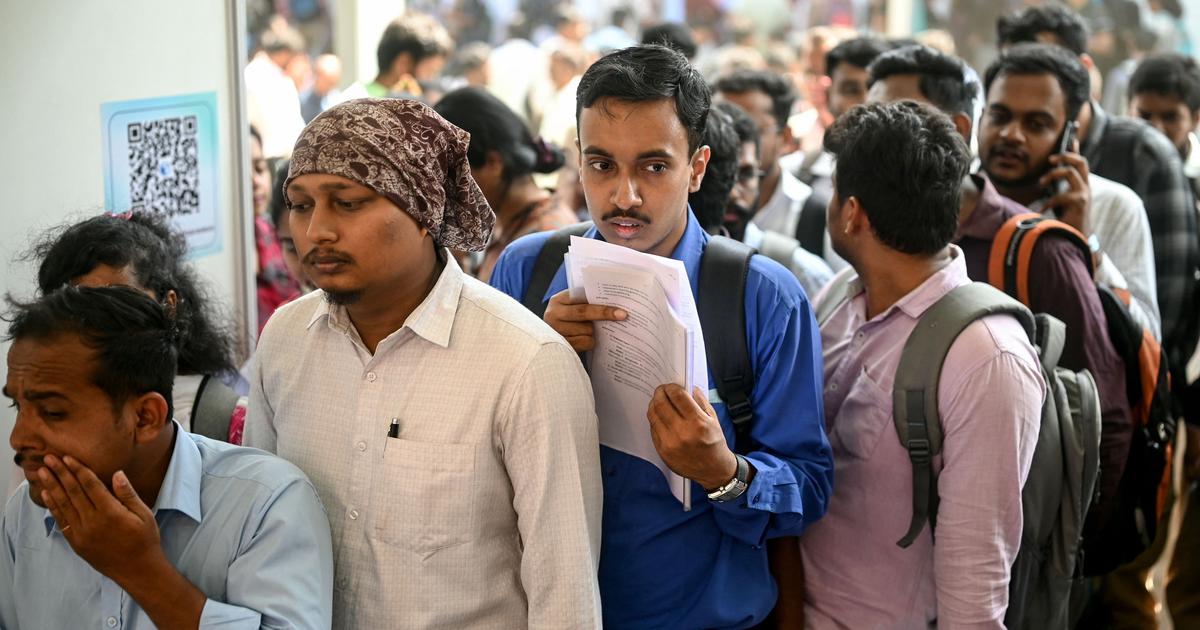
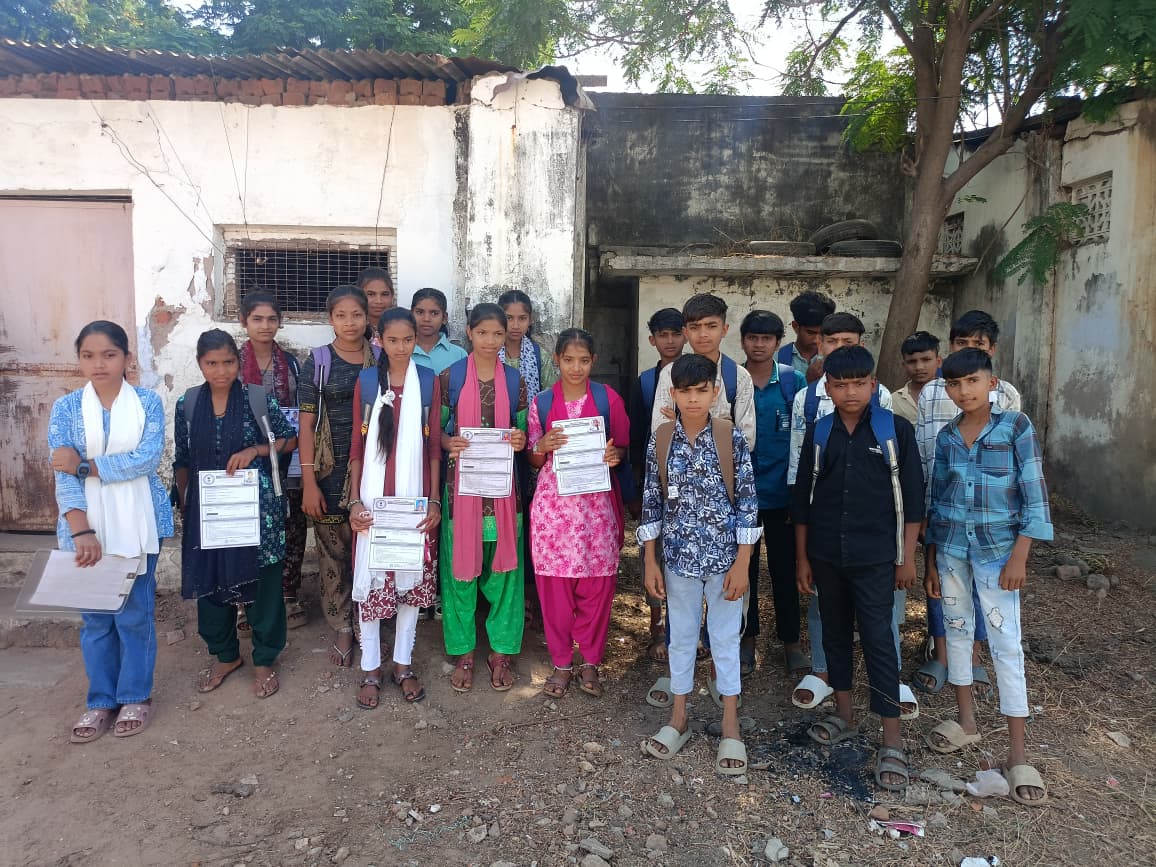
As India stands on the brink of what is termed its demographic dividend, the urgency to effectively integrate its youthful, educated populace into the workforce has become paramount. However, recent findings indicate a concerning trend: many young men are opting out of the education system altogether. The implications of this withdrawal could spell challenges for the nation’s economic growth as it gears up to face a declining working-age population post-2030.
A report by Rosa Abraham, an associate professor of economics at Azim Premji University and lead author of the “State of Working India 2026”, sheds light on this pressing issue. The report indicates that while education levels among young Indians are at an all-time high, there are persistent obstacles and alarming trends that threaten to undermine the potential of this demographic advantage. Notably, it highlights a significant decline in educational participation among young men, stagnant earnings for graduates, and a preponderance of new job opportunities emerging in agriculture—a sector that typically yields lower economic output.
Abraham’s research reveals a more nuanced picture of India’s labor market. Despite the narrowing of gaps in education based on gender and caste, with young Scheduled Caste and Scheduled Tribe individuals increasingly moving out of traditional occupations, the broader landscape remains fraught with challenges. The structural barriers that prevent many from securing gainful employment continue to exist, leaving a generation of young men disillusioned.
In an email exchange with Abraham, she elaborated on the significance of these trends. “The data indicates a worrying disconnection between education and employment outcomes for young men,” she explained, emphasizing that this phenomenon could lead to a broader socio-economic divide. If these young men, once hopeful for a stable future through education, feel disenfranchised, the long-term repercussions could be detrimental to both individual livelihoods and the nation’s economic fabric.
Moreover, the predominance of agricultural jobs, which offer minimal income growth and limited career advancement, raises questions about the sustainability of employment generation. With most new jobs created in a sector that contributes marginally to overall economic output, the prospects for meaningful employment and stable earnings remain bleak for many young individuals.
As India navigates this crucial juncture, the focus must shift towards creating more robust employment opportunities and removing the persistent barriers that inhibit young men and women from fully participating in the labor market. Addressing these challenges is essential not only for harnessing the potential of the demographic dividend but also for fostering an inclusive economy that benefits all marginalized groups. Without proactive intervention, the current trends could lead to a lost generation—one that is uneducated and disillusioned, unable to contribute to the economic landscape effectively.