On March 31, 2026, we will commemorate half a century since a pivotal judicial ruling that redefined patient autonomy in the United States. This landmark decision by the New Jersey Supreme Court revolved around the tragic case of Karen Ann Quinlan, a young woman who fell into an irreversible coma, igniting a national conversation about the rights of patients and their families regarding end-of-life care.
The story of Karen Ann Quinlan began in April 1975, when at the tender age of 21, she experienced a cardiac arrest during a friend’s gathering. Despite the immediate medical attention she received, doctors soon diagnosed her with a persistent vegetative state (PVS), a condition where a patient loses all cognitive functions and awareness, although some brainstem functions continue. This diagnosis meant that Quinlan required constant medical support to survive, raising challenging questions about her quality of life and the morality of prolonging her existence in such a state.
As Quinlan’s family grappled with the heart-wrenching decision of her care, they faced the stark reality that many families encounter — the ethical dilemma of life-sustaining treatment. It was in this context that Quinlan’s parents sought legal intervention, aiming to have her removed from the ventilator that was keeping her alive. Their struggle culminated in a historic court case that would set a precedent for patient rights in America.
In 1976, the New Jersey Supreme Court ruled in favor of Quinlan’s family, stating that they had the right to make decisions regarding her medical care, emphasizing the importance of patient autonomy. This ruling became a cornerstone for future legislation and bioethical standards, advocating that such significant choices should not rest solely with medical professionals or healthcare institutions but should include the voice of the patient and their loved ones. The implications of this ruling extended beyond the borders of the United States, influencing discussions around end-of-life care worldwide, including in India.
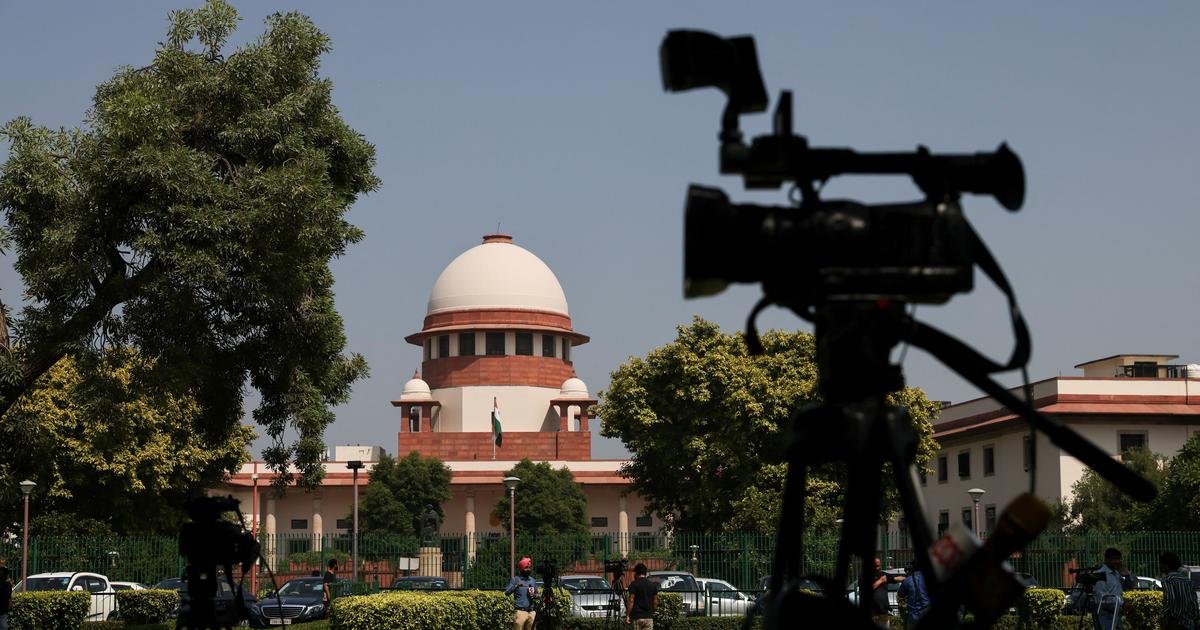
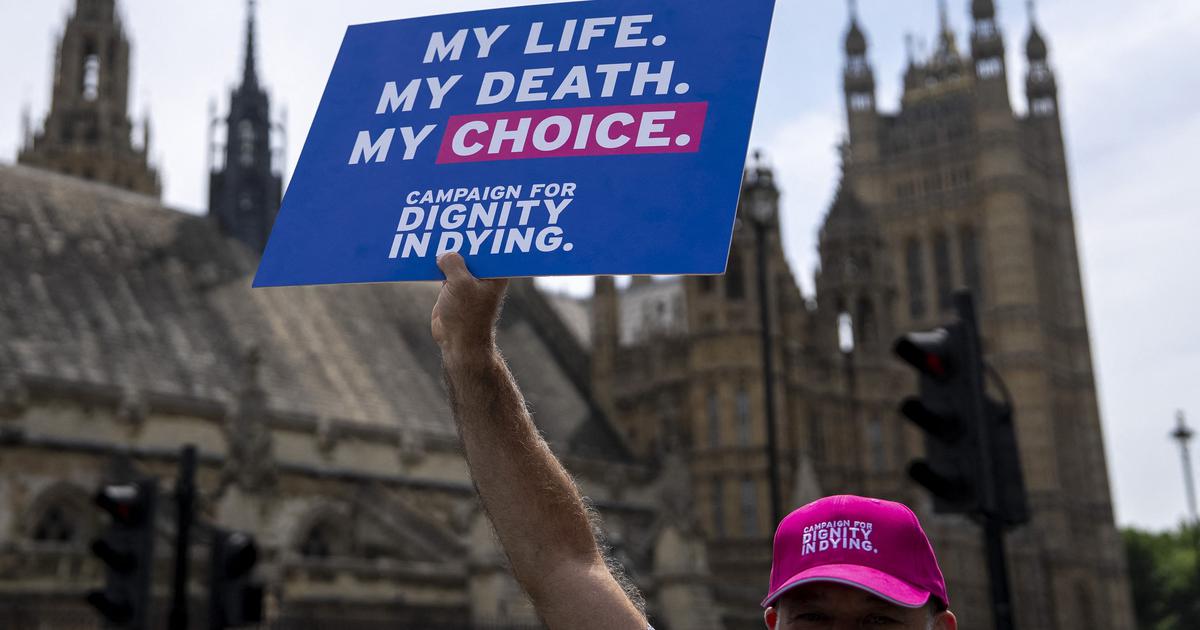
As India continues to evolve in its healthcare policies, the issues surrounding end-of-life decisions are becoming increasingly relevant. The concept of “death with dignity” resonates deeply within Indian cultural contexts that value familial bonds and respect for individual desires. Advocates in India are working hard to ensure that patients can express their wishes regarding treatment options, particularly those in terminal conditions or irreversible states, much like Karen Ann Quinlan’s case. The ongoing debates around laws related to euthanasia and the right to die with dignity are reflective of the changing attitudes towards patient autonomy in India.
The Quinlan case has left an indelible mark on bioethics and healthcare law, reminding us that every individual deserves the right to make informed choices about their own life and death. As we approach the 50th anniversary of this crucial ruling, it is essential to reflect on its impact and the ongoing dialogue surrounding patient rights, dignity, and the moral responsibilities of healthcare providers.