In a poignant short story penned in 1982, writer Rajesh Joshi illustrated the complex dynamics of a middle-class household, forever altered by the introduction of liquefied petroleum gas (LPG). His tale, titled Somvar (Monday), becomes especially relevant today as it echoes the mounting tensions experienced in homes across India due to the current LPG crisis. Joshi’s narrative reflects a time when global oil prices were spiraling and families felt the pressure of these economic shifts, stating, ‘The world was fighting over oil, the nation was watching the flow of oil, and our home was heating up from the gas that came from that flow of oil.’
Fast forward to today, where the rising prices of LPG and delays in cylinder deliveries have reignited fears reminiscent of the oil crises of the 1970s. Back then, the oil shocks—spurred by OPEC’s embargo and later the Iranian Revolution—marked a pivotal moment in global energy history. As the economic ramifications of these shortages became evident, they pushed energy scarcity into the public consciousness. Now, we find ourselves in a similar predicament, though the landscape has transformed dramatically with the rise of social media, which has reshaped how we perceive and discuss these crises.
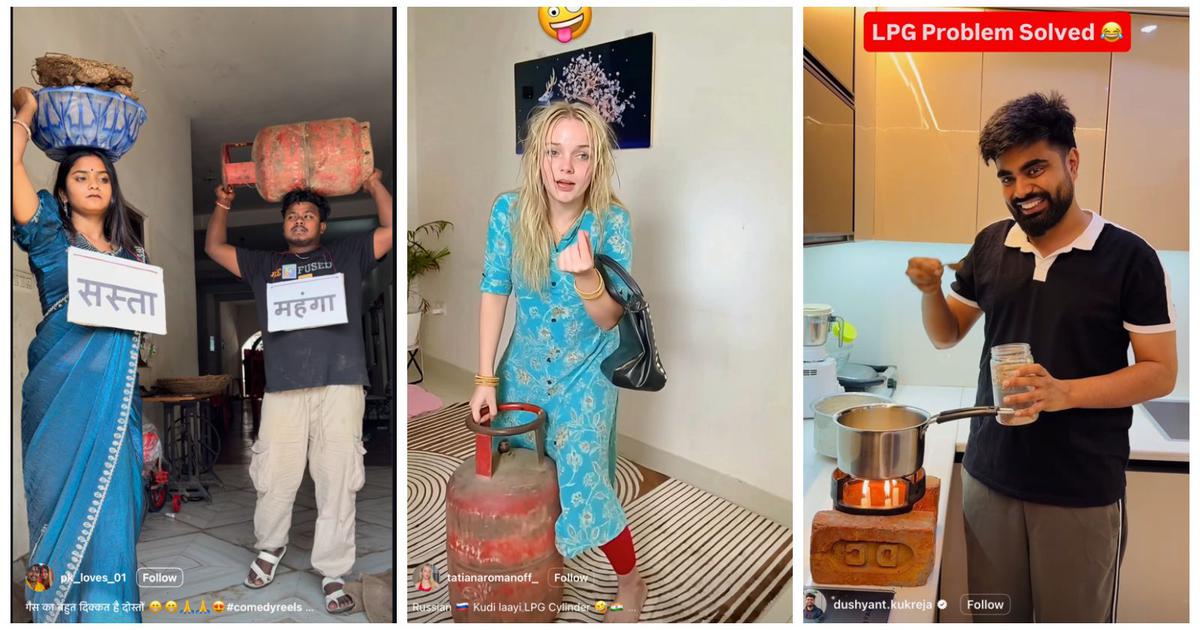
The current anxiety surrounding LPG in India is palpable, exacerbated by the immediacy of social media platforms, where images and videos circulate rapidly, often sensationalizing the experience of scarcity. While these reels can lead to a shared sense of community and engagement, they also risk masking the underlying issues that contribute to the crisis. The discourse surrounding LPG shortages has shifted from serious discussions about economic policies and energy management to a more superficial engagement driven by viral content, often leading to misinformation and heightened panic among the populace.
Moreover, the historical context of energy shortages offers valuable lessons. The oil crises of the ’70s revealed vulnerabilities in energy dependence and prompted nations to rethink their energy policies. As we navigate the current challenges, it is crucial to understand that energy crises are not merely events; they reflect deep-rooted issues regarding supply chains, international relations, and domestic policies. Addressing these systemic problems requires a concerted effort from the government, industry, and society at large, rather than a reaction fueled by social media trends.
In conclusion, while social media serves as a platform for expressing communal frustrations and sharing experiences, it is essential to look beyond the reels and memes to engage in a substantive dialogue about the LPG crisis in India. By learning from the past and addressing the real challenges at hand, we can work towards a more sustainable energy future that benefits all.