The Quest for Clean Phosphates: How Western Sahara’s Independence Movement Faces New Challenges
In a poignant reminder of the ongoing struggle for independence in Western Sahara, Aminatou Haidar, a prominent activist, recounts her harrowing experiences during a demonstration in 1987. At just twenty years old, she took to the streets to advocate for her people’s right to self-determination, coinciding with a scheduled United Nations visit to the region. The message was clear: the Sahrawi people longed for independence from Moroccan rule. However, the response from Moroccan authorities was a brutal crackdown, resulting in mass arrests that targeted individuals of all ages and genders.
Haidar vividly remembers the chaos that ensued as Moroccan forces ramped up their efforts to suppress dissent. “They initiated a massive campaign of arrests that captured over five hundred people,” she explained. This oppressive environment escalated when, just days before the UN delegation was due to arrive, the authorities came for her. “I was taken away in a vehicle, and as they drove around the streets, I was filled with dread, fearing I might never return home,” she recounted.
For Haidar, the ordeal did not end with her abduction. She was imprisoned in solitary confinement for an entire year, during which her family was left in the dark about her fate. This practice of enforced disappearances is considered a violation of international humanitarian law and has been condemned globally. Haidar’s story is not just a personal narrative; it reflects the broader systemic injustices faced by the Sahrawi people in their quest for autonomy.
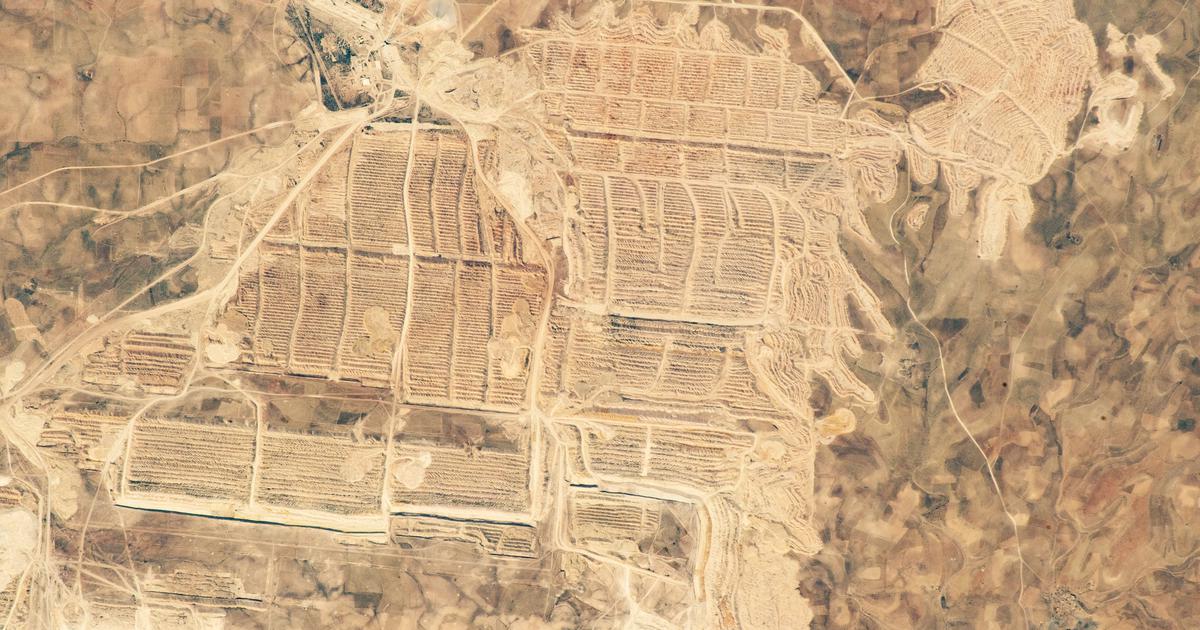
The current global demand for ‘clean’ phosphates has introduced a new dimension to the ongoing conflict in Western Sahara. As the world shifts towards sustainable agriculture, the natural resources of this disputed territory have garnered international attention, often overshadowing the human rights issues that persist. The extraction of phosphates, particularly, is seen as a vital component for agricultural development, yet it raises ethical questions regarding the exploitation of resources in a region still yearning for self-governance.
As the situation evolves, the call for a more ethical approach to resource management becomes ever more pertinent. The plight of the Sahrawi people, exemplified by activists like Haidar, serves as a vital reminder of the intersection between environmental sustainability and human rights. Understanding this complex dynamic is crucial for global audiences, and particularly for nations like India, which are increasingly engaged in discussions about sustainable practices and ethical sourcing.