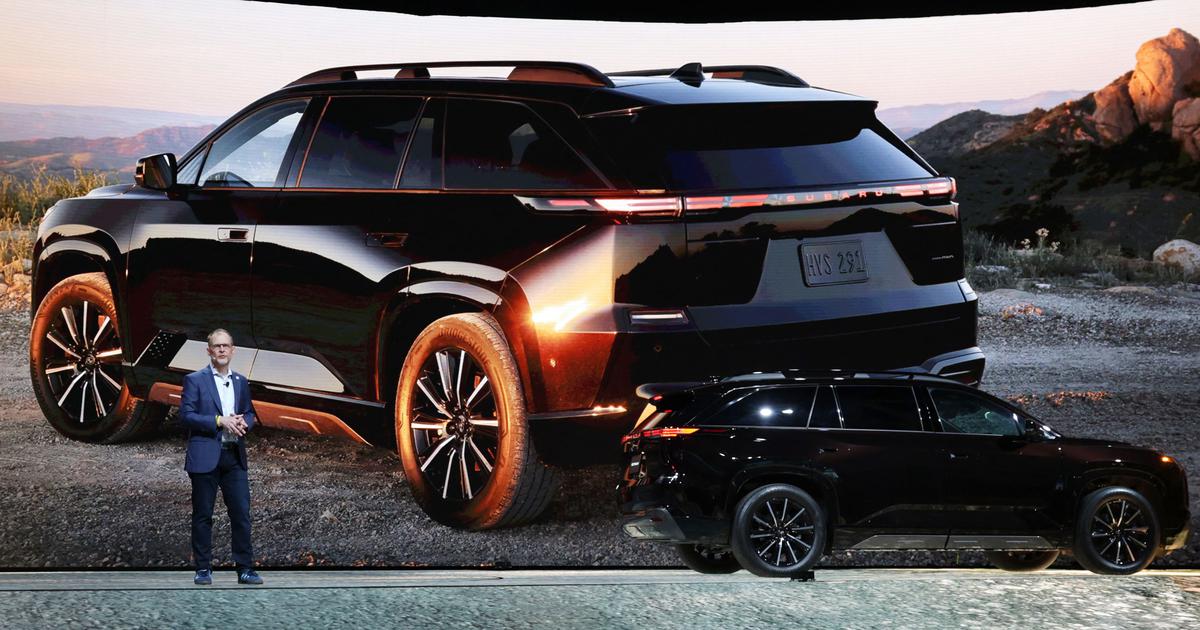
As the world increasingly shifts towards sustainable energy solutions, electric vehicles (EVs) have been heralded as the future of eco-friendly transportation. Governments and automobile manufacturers alike promote electric cars as key players in the transition to green energy. However, emerging trends within the electric vehicle market are raising alarms, particularly the growing dominance of larger electric models such as sports utility vehicles (SUVs).
According to recent findings by the International Energy Agency (IEA), the surge in popularity of electric SUVs has become evident. In China, electric SUVs constituted over 60% of all electric vehicle sales in 2025. Similarly, Europe saw SUVs make up nearly 75%, while in the United States, this figure soared to more than 85%. This major shift towards larger electric vehicles contradicts the very essence of reducing carbon footprints, as SUVs are now contributing significantly to global CO₂ emissions.
The ecological impact of SUVs extends beyond just their tailpipe emissions. The sheer size and weight of these vehicles necessitate larger batteries and increased raw materials, leading to higher energy consumption during manufacturing and operation. A troubling statistic reveals that if the combined emissions of all SUVs were calculated as a nation, they would rank among the world’s top five CO₂ emitters. This raises questions about the true sustainability of electric SUVs, especially considering their capacity to reinforce car-dependent lifestyles that often prioritize convenience over environmental considerations.
Moreover, the use of electric SUVs is not without its consequences. The heavier weight of these vehicles not only demands more energy but also contributes to pollution through wear and tear on tyres and brakes. This results in the release of fine particulate matter, which has been linked to serious health issues, including respiratory and cardiovascular diseases. As cities across India grapple with rising pollution levels, the implications of these trends become even more concerning.
There is also the broader societal impact to consider. Larger vehicles can create more hazardous conditions on the roads, particularly for vulnerable road users such as children. Research from Great Britain indicates that children aged 0-18 face increased risks of accidents involving larger vehicles. As India strives to improve road safety and accessibility, the rise of electric SUVs presents a challenge that policymakers cannot afford to ignore.
While transitioning to electric vehicles is undoubtedly a step in the right direction for combating climate change, the significant growth of electric SUVs introduces a layer of complexity that must be addressed. As Indian consumers lean towards larger vehicles due to their perceived safety and spaciousness, it is critical for stakeholders—government bodies, manufacturers, and consumers alike—to engage in conversations about sustainable practices within the automotive industry.
In summary, while electric SUVs are a part of the green vehicle revolution, their environmental and social impacts pose challenges that need to be carefully navigated. The pursuit of greener transport solutions must remain balanced with the urgency of reducing emissions and ensuring safe, healthy communities. As we move forward, it is essential to reassess not only what vehicles we drive but also the kind of world we want to build.