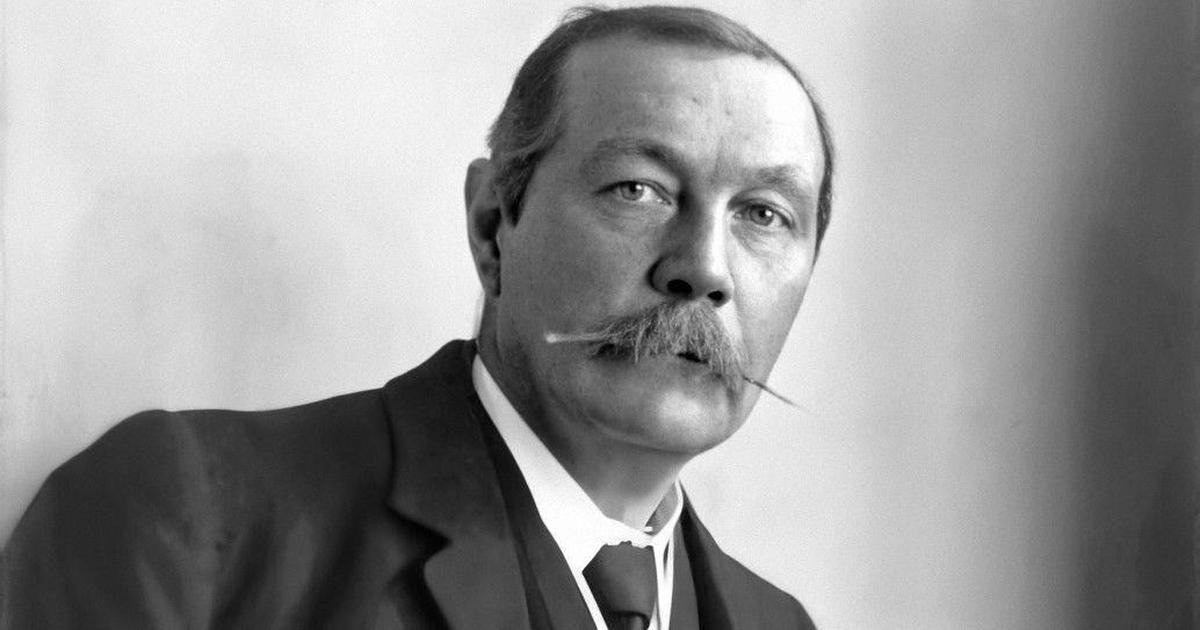
Sir Arthur Conan Doyle, best known as the brilliant mind behind the iconic detective Sherlock Holmes, is a celebrated figure in literature. However, many admirers of his work may not be familiar with the profound spiritual beliefs that shaped his worldview. During a time when discussing such topics was often met with skepticism in British society, Conan Doyle became an outspoken advocate for spiritualism—the idea that the living can communicate with the deceased.
In 1921, while residing in the picturesque island of Ceylon (now Sri Lanka), Doyle began penning a series of essays titled The Wanderings of a Spiritualist. These reflections would later be compiled into a book, capturing his experiences and thoughts on the metaphysical. In the introduction, he vividly describes his surroundings: “I write these lines with a pad upon my knee, heaving upon the long roll of the Indian Ocean, just one shade greyer, lining the Eastern skyline.” Such imagery illustrates not only his literary prowess but also his deep connection to the landscape that inspired him.
Doyle’s journey to Ceylon was not a mere vacation; it was a significant stop during his travels to Australia, where he was invited by various spiritual organizations in 1920. His trip was marked by poignant interactions with Australian troops, with whom he spent unforgettable days during a crucial period of the First World War. This experience profoundly affected him, fueling his desire to share messages of hope and healing.
The writer’s visits to the Emerald Isle were more than just physical journeys; they were transformative encounters with cultures and beliefs different from his own. During these trips, he absorbed the local spiritual practices and philosophies, which further informed his own evolving beliefs. Ceylon, with its rich tapestry of history and spirituality, stood as a backdrop to Doyle’s exploration of life beyond the material world.
As Conan Doyle navigated the complexities of his spiritual pursuits, he faced both admiration and ridicule. Yet, his dedication to understanding and promoting spiritualism remained steadfast. While many may cherish his literary contributions, it is his courage to voice unconventional beliefs in a conservative era that speaks volumes about his character. Through his essays, he not only broadened the scope of spiritual discourse but also invited others to reflect on their understandings of the afterlife.
Today, a century later, as we delve into the legacies of influential figures like Arthur Conan Doyle, it becomes clear that his journey was a blend of literary genius and spiritual exploration. His reflections from Ceylon continue to resonate, reminding us of the importance of seeking truth, even when it leads us down unconventional paths.