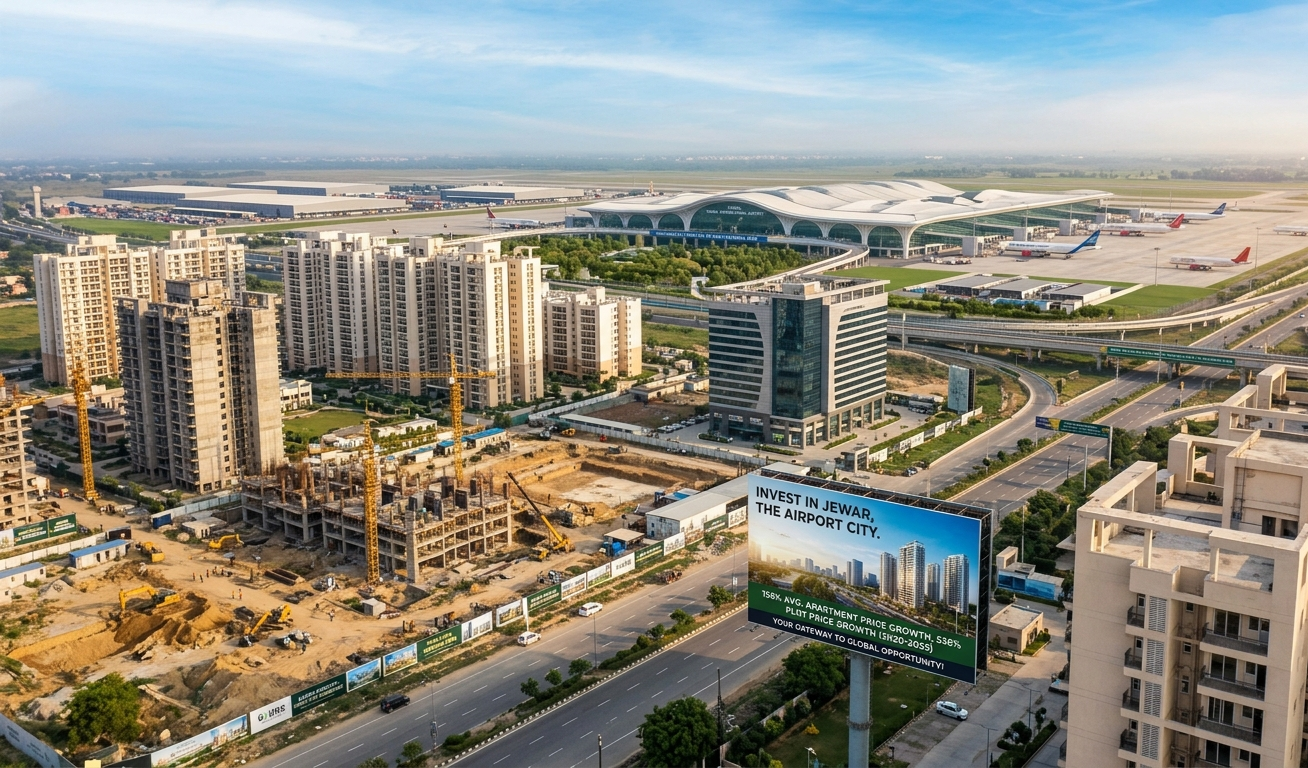
The Indian real estate sector is currently a study in contrasts. As we navigate the first quarter of 2026, the market is presenting a fascinating “push-and-pull” dynamic. While the broader housing market is catching its breath, the office sector is sprinting, and luxury developers are barely slowing down.
Here is a deep dive into the trends shaping the industry right now.
📉 Housing Sales Dip, But Context is Key
According to Construction World, housing sales across India’s top cities saw a 7% quarter-on-quarter (QoQ) decline in Q1 2026. After a period of relentless growth, this cooling off suggests a temporary stabilization.
However, don’t let the dip fool you—the appetite for premiumization is higher than ever. High-end luxury housing, particularly in hotspots like Gurugram’s Dwarka Expressway, continues to dominate sales charts, proving that the affluent Indian buyer is still very much in the game.
🏢 The Office Market is Booming
While residential sales slowed, the commercial sector hit the accelerator. Colliers India reports that office leasing surged by 15%, reaching a staggering 18.3 million sq ft across seven major cities. This demand is driven by corporate expansions and a robust return-to-office momentum, signaling strong confidence in India’s long-term economic trajectory.
🏗️ The Growing “Cost of Construction” Crisis
Developers are facing a “perfect storm” of rising overheads. Geopolitical tensions, specifically the Iran-Israel conflict, have sent shockwaves through the supply chain:
* Energy Prices: Surging fuel costs are making logistics and manufacturing more expensive.
* Raw Materials: Steel and cement prices are on the rise.
* The Result: Experts at The Hindu and Moneycontrol warn that these costs will likely be passed on to the consumer, leading to potential price hikes in the NCR (National Capital Region) and Mumbai.
📍 Regional Highlights & Regulatory Shifts
Chennai’s ₹5,000 Crore Bet
The South is seeing massive capital infusion. Developers like Prestige and Arihant are doubling down on Chennai with a planned ₹5,000 crore housing project, betting big on the city’s industrial and IT growth.
Strengthened Consumer Rights (KRERA)
In a win for homebuyers, the Kerala Real Estate Regulatory Authority (KRERA) has tightened its grip. Developers are now legally mandated to repair structural defects for up to 5 years after handover, a move expected to set a benchmark for quality across the country.
Strategic Adjustments
* In Maharashtra: The MHADA is taking a pragmatic approach, reducing prices on certain high-value inventory to clear stock and improve liquidity.
* Global Context: The shadow of the $4.7 billion debt crisis at China’s Fantasia serves as a stark reminder of the risks of over-leverage, keeping Indian regulators and developers on high alert.
💡 The Bottom Line
The Indian real estate market is maturing. We are moving away from “growth at any cost” toward a market defined by quality, commercial demand, and premium residential hubs. While geopolitical hurdles may push prices up in the short term, the underlying demand for office space and luxury living remains the sector’s strongest anchor.
Pro Tip for Buyers: With construction costs rising, waiting for a “massive crash” might be risky. If you’re looking at the luxury segment, the supply in prime locations remains limited despite the broader dip in sales.
How do these market shifts affect your investment plans for 2026? Let’s discuss in the comments.