




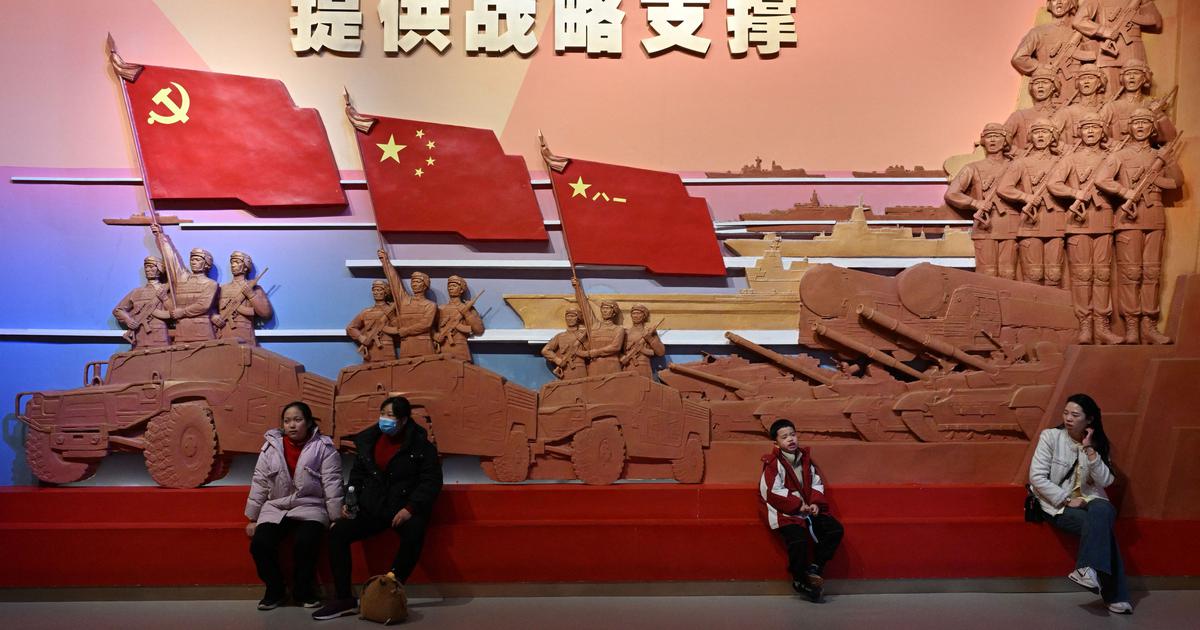
In recent years, China has witnessed an unprecedented rise in the number of museums, fundamentally altering the landscape of cultural preservation and education within the country. This phenomenon, characterized by a surge in both state-supported mega museums and privately funded contemporary art spaces, reflects a broader strategy by the Chinese government to reshape narratives of the past and envision a progressive future.
From 2010 to 2024, the pace of museum openings in China is staggering, with a new institution emerging approximately every 1.5 days. In 2022 alone, 382 new museums were registered, bringing the total to an impressive 6,833 by the end of 2024. This expansion is not merely a random occurrence; rather, it is a result of a meticulously coordinated national strategy intertwining heritage conservation, urban development, creative industries, and soft power.
The GLAM (Galleries, Libraries, Archives, and Museums) sector has also seen considerable growth, bolstered by substantial government investments in public libraries, digitization projects for archives, and the creation of expansive cultural districts. Museums remain, however, the most potent emblem of this cultural transformation, serving as platforms for storytelling and community engagement.
Historically, the Chinese museum sector has undergone significant changes since the Communist Party came to power in 1949, when the country had only about 25 museums. For decades, these institutions were limited in scope and tightly controlled, operating under strict ideological frameworks dictated by the Communist Party. The Cultural Revolution (1966-1976) saw art and culture becoming tools of political propaganda, with dedicated “work units” overseeing all forms of artistic expression.
In stark contrast to this past, today’s museums are embracing a more diverse range of narratives and artistic expressions. The current wave of museums is indicative of China’s desire to project its cultural heritage and aspirations onto the global stage, fostering a sense of national pride while also engaging with contemporary artistic practices. As these institutions continue to proliferate, they are not just venues for displaying art and artifacts but are also pivotal in shaping public discourse and cultural identity within the rapidly evolving Chinese society.

