The Sweet Evolution: Coconut’s Journey Through European Cuisines and its Irresistible Appeal
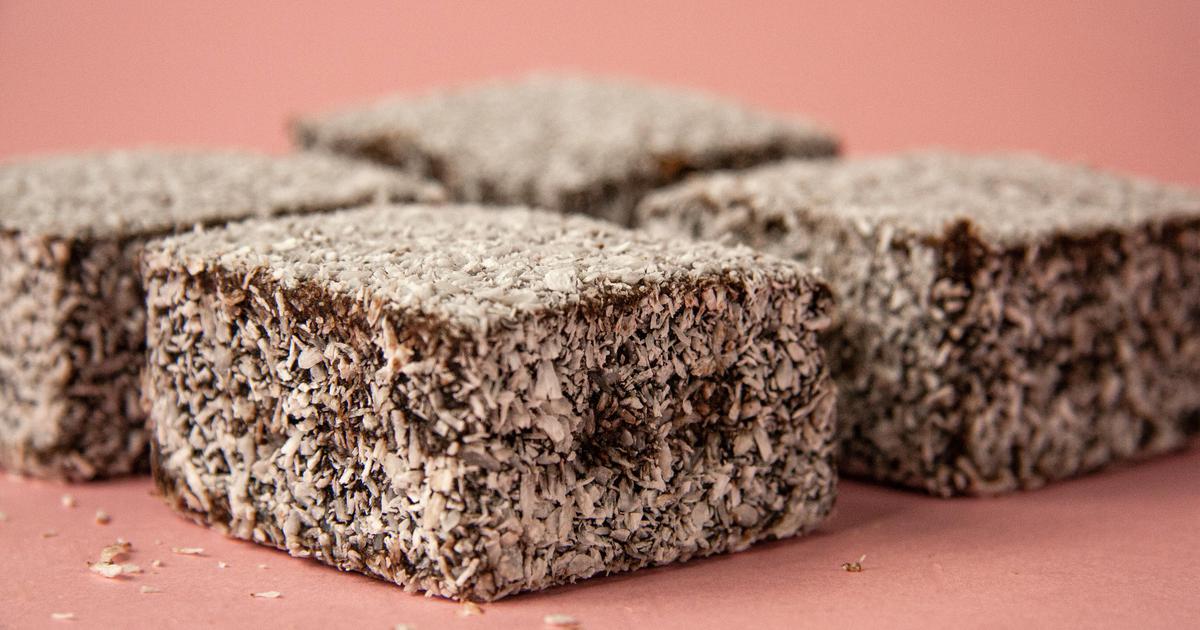
Coconut has long been a beloved ingredient across various culinary traditions. Its versatility shines especially in desserts, where its rich, creamy texture complements an array of flavors. Since its introduction to European cuisines, coconut has found its way into numerous sweet treats, leading to a delightful fusion of cultures and tastes.
One of the most iconic examples of coconut’s integration into sweets is the Almond Joy, a candy bar first produced by the Peter Paul Candy Manufacturing Company in the United States in 1946. This classic confection features a coconut center adorned with crunchy almonds and enveloped in smooth milk chocolate, creating a tempting combination that has enchanted taste buds for decades. Similarly, the Mounds bar, which made its debut in 1920, showcases the same coconut filling but opts for dark chocolate, catering to those who prefer a less sweet option. Both bars have become staples in American households, with the catchy slogan, “Sometimes you feel like a nut, sometimes you don’t,” launched in 1970, further solidifying their popularity.
Across the Atlantic, the Mars Company introduced the Bounty bar in the United Kingdom and Canada in 1951, presenting a coconut-filled delight draped in milk chocolate. The packaging, adorned with images of tropical beaches and palm trees, conjures a sense of paradise, making it an enticing choice for chocolate lovers. Despite being favored in blind taste tests, Bounty struggled to penetrate the American market when it was introduced there in 1989, revealing the complexities of brand acceptance across different cultures. Americans often have a nostalgic attachment to their childhood sweets, contributing to the unique culinary landscape of the country.
Meanwhile, the British have retained their fondness for traditional coconut sweets, with coconut ice being a prime example. This sweet treat, characterized by its pink and white layered appearance, remains a cherished dessert not only in Britain but also finds popularity in Australia and New Zealand. Its simple ingredients and delightful flavors underscore the universal appeal of coconut in sweets.
As we explore the evolution of coconut-infused desserts, it becomes clear that this tropical fruit has successfully integrated itself into various culinary traditions, transcending borders and cultures. The seamless blending of flavors has created a rich tapestry of desserts that continue to delight the palate. In India, the use of coconut in sweets is also profound, seen in traditional dishes like coconut laddoos and payasam, showcasing the ingredient’s adaptability and timelessness. As these global influences continue to shape our culinary experiences, the coconut’s journey through sweets remains a testament to its enduring legacy.