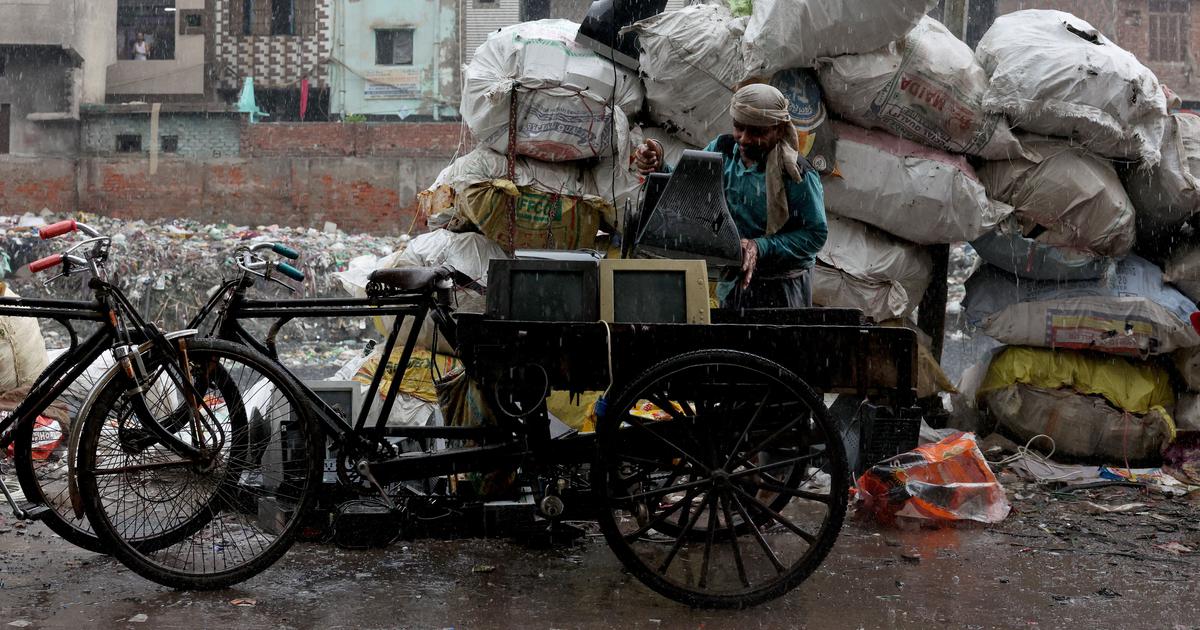
In the bustling city of Pune, Maharashtra, Shambhu Yadav has ventured far from his hometown of Meerut, Uttar Pradesh, chasing the elusive dream of employment. With limited formal education and no specialized skills, Yadav found himself in one of the most challenging yet essential sectors of the Indian economy: waste collection. Working under a kabadiwala, or informal scrap dealer, he tirelessly gathers various types of refuse, sorting and selling them to larger dealers. Despite earning a meager daily wage of between Rs 100 and Rs 500, Yadav is contributing to an industry that is valued at a staggering Rs 1.3 trillion.
Since the early 2000s, the landscape of waste collection has dramatically changed, particularly with the influx of electronic waste (e-waste). These discarded electronic devices often end up in the hands of informal waste collectors, like Yadav, who dismantle them at considerable risk to their health and safety. The process of recovering valuable materials from e-waste is not only hazardous but also highlights the stark reality of the informal sector’s role in managing India’s burgeoning waste crisis.
Approximately 845 kilometers away from Pune, in Padarayanpura, Bengaluru, another waste collector named Sharvan exhibits the harsh realities of this profession. Holding up copper shards stripped from discarded wires, he explains, “This is like gold to us. The copper sells for Rs 1,000 to Rs 1,200 per kilogram.” The inherent value of these materials underscores the financial desperation faced by many workers in this sector. Yet, despite their critical contributions to waste management, these individuals remain outside the purview of formal recycling regulations, often left to fend for themselves in a system that largely ignores their plight.
The informal waste collection sector thrives primarily due to the limited capacity of formal facilities to handle the vast quantities of waste generated. With a rapidly growing population and increasing consumerism, India’s waste production is escalating, creating an overwhelming burden on its waste management systems. As a result, informal collectors like Yadav and Sharvan are often the first line of defense against the mounting piles of trash, yet they lack adequate safety measures and fair compensation for their labor.
Recognizing the urgent need for change, various non-governmental organizations (NGOs) are stepping in to advocate for these unsung heroes. Their efforts are aimed at bridging the gap between the informal sector and formal waste management systems, pushing for improved safety standards, better wages, and recognition of the vital role these workers play in the economy. By raising awareness and promoting sustainable practices, these NGOs hope to empower waste collectors and ensure that their contributions are not only acknowledged but also rewarded appropriately.
The story of individuals like Shambhu Yadav and Sharvan is a reminder of the resilience of India’s informal workforce. As they navigate the challenges of their profession, it becomes increasingly apparent that their work is not just about collecting waste; it’s about survival, dignity, and the pursuit of a better life. As the country grapples with its waste management crisis, it is imperative that we pay attention to the voices of those who are often overlooked yet are essential to finding a sustainable solution.