Bengaluru, June 8, 2026
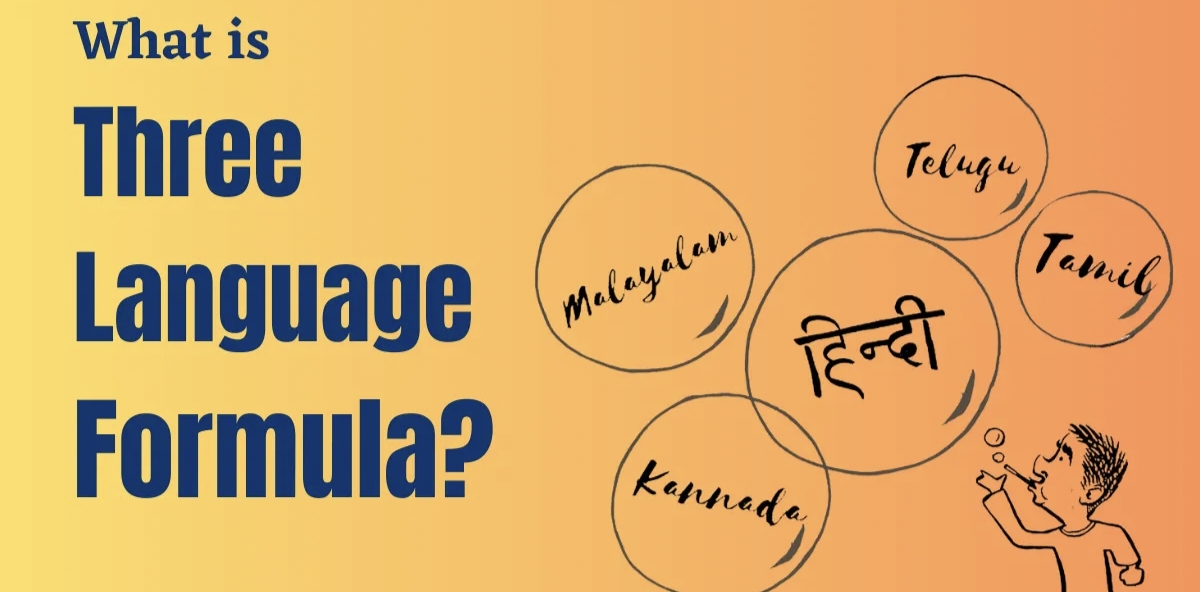
India’s Three-Language Formula, first introduced in 1968 and referenced in the National Education Policy 2020, encourages students to learn a regional or mother tongue, Hindi or another Indian language, and English.
Supporters of the policy argue that it promotes multilingualism, cultural understanding, and national integration while preserving India’s linguistic diversity. However, recent efforts to strengthen implementation have renewed debate in several states.
Ongoing Debate
Political leaders and education stakeholders in some non-Hindi-speaking states, particularly Tamil Nadu, have expressed concerns that mandatory implementation could place additional academic burdens on students and affect regional linguistic priorities. Tamil Nadu has historically followed a two-language approach focused on Tamil and English.
Critics of the policy argue that implementation has not been uniform across the country and point to challenges such as teacher shortages, curriculum pressures, and differing state-level educational priorities. Supporters, meanwhile, maintain that multilingual education can improve communication skills and provide broader opportunities for students.
Policy Challenges
Education experts note that language policy often reflects broader discussions about federalism, cultural identity, and educational autonomy. Several analysts have suggested that greater flexibility in implementation may help address regional concerns while preserving the policy’s objectives.
Conclusion
The Three-Language Formula continues to generate discussion across India’s diverse linguistic landscape. While many view multilingual education as beneficial, debates over implementation, state autonomy, and linguistic identity remain central to the conversation. Policymakers, educators, and state governments are expected to continue discussing how best to balance national educational goals with regional priorities.