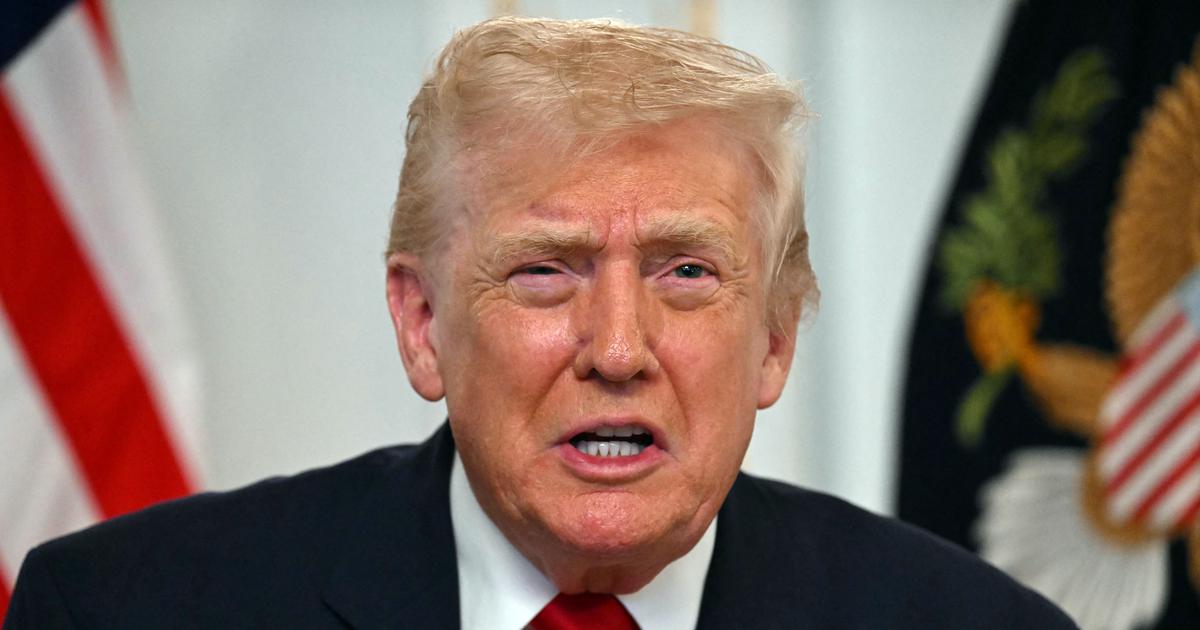
In a series of recent statements, former U.S. President Donald Trump claimed that Iran is seeking a ceasefire, highlighting a shift in the rhetoric surrounding the ongoing tensions in the region. Trump referenced a supposed request from Iran’s current president, who he described as more moderate and intelligent than previous leaders. However, this assertion is shrouded in ambiguity, as the identity of the Iranian president Trump mentioned is unclear, given that Masoud Pezeshkian has been in office since July 2024 without significant public recognition.
While discussing the potential for peace, Trump emphasized that negotiations would only commence once the strategic Strait of Hormuz is “open, free, and clear.” This waterway is vital for global oil shipments, and any disruption can have significant implications for energy prices worldwide. Trump’s comments reflect a tough stance on Iran, warning that until the situation improves, the U.S. will continue its military operations against Iran, stating ominously that they would be “blasting Iran into oblivion.” This declaration follows a long history of U.S.-Iran tensions, particularly regarding military presence and strategic control in the region.
Meanwhile, the geopolitical tensions are having a direct impact on domestic affairs in India. The Indian government has announced a price hike in commercial liquefied petroleum gas (LPG), which has surged by Rs 195.5. This increase comes in the wake of escalating global energy prices, largely influenced by conflicts in West Asia. The new price for a 19-kg commercial LPG cylinder now stands at Rs 2,078.5 in Delhi, which poses additional challenges for businesses and consumers alike.
The rise in LPG prices is particularly concerning for the Indian populace already grappling with the ramifications of inflation in essential commodities. Domestic cooking gas prices are also expected to be reviewed soon, which could further strain household budgets. As energy prices continue to rise due to international conflicts and supply chain disruptions, the Indian government faces mounting pressure to manage public discontent while ensuring energy security for its citizens.
In summary, while Trump’s statements attempt to frame a narrative of potential diplomatic resolution with Iran, the reality on the ground remains complex and fraught with challenges. The implications for India are tangible, with rising LPG prices adding to the growing list of economic pressures on average citizens. As both international events and national policies unfold, it will be crucial for the Indian government to navigate these turbulent waters effectively to maintain stability and public trust.