In a dramatic statement on Tuesday, U.S. President Donald Trump proclaimed that the United States has triumphed in its conflict with Iran. Trump dismissed opposing narratives as mere ‘fake news’ while further reinforcing his administration’s stance on the matter. Trump’s remarks came alongside comments from U.S. Secretary of War Pete Hegseth, who claimed that the Iranian military had faced unprecedented destruction, stating, ‘never in history has a modern military…been so rapidly and historically obliterated.’
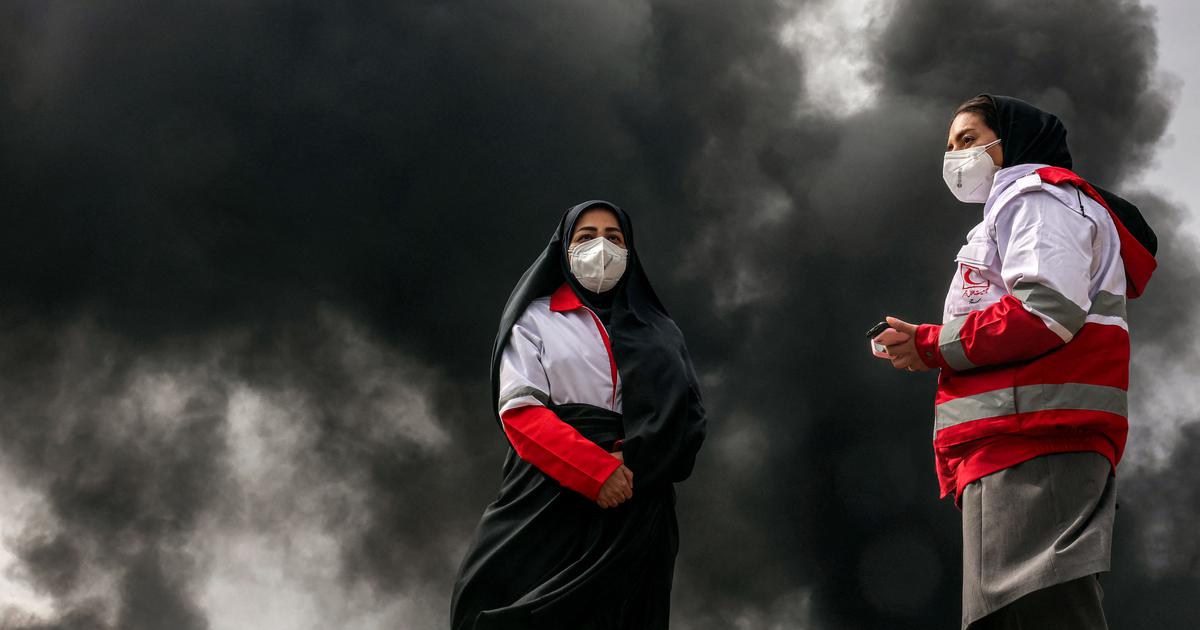
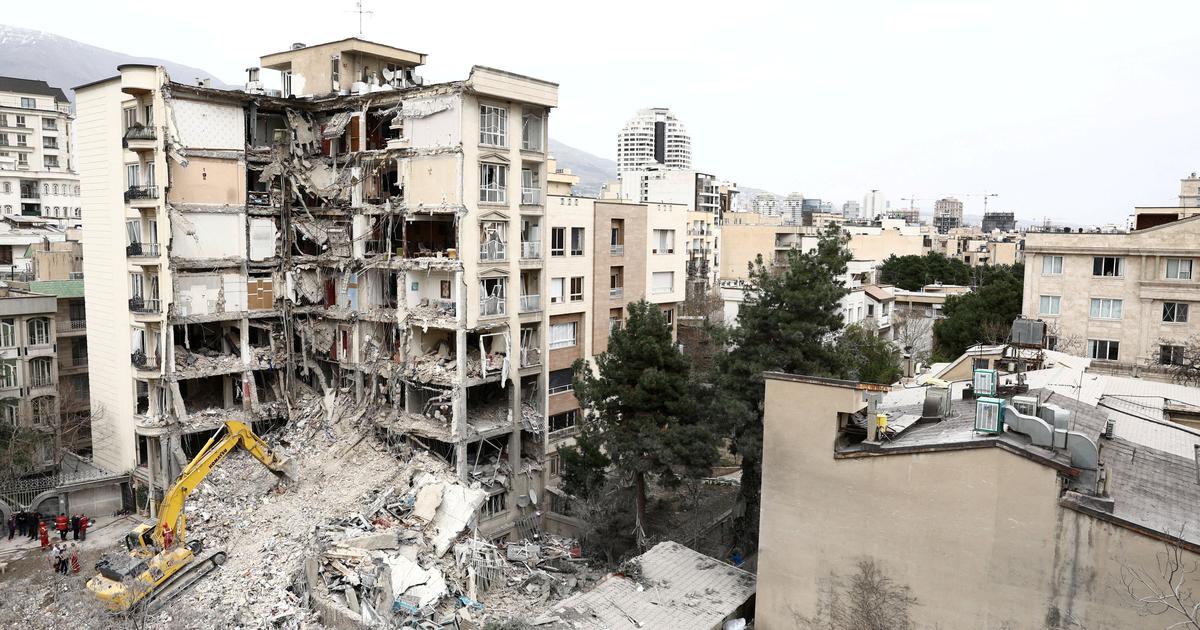
The implications of these statements are significant, especially considering the backdrop of escalating tensions in the Middle East. Iran’s state media reported that at least 12 individuals lost their lives and 28 others sustained injuries in what was described as an ‘enemy attack’ on residential areas of Varamin, located in southern Tehran. This information was confirmed by the Fars news agency and underscores the human cost of ongoing hostilities.
As the conflict intensifies, recent statistics reveal that more than 1,500 people have lost their lives and over 18,550 have been injured in Iran since hostilities escalated following a coordinated attack by the United States and Israel on February 28. The international community continues to watch closely as the situation evolves.
In his remarks, Trump also expressed optimism regarding nuclear disarmament, stating, ‘There won’t be any nuclear weapons. Iran has agreed to that.’ This assertion came shortly after he instructed the Department of War to delay military actions against Iranian infrastructure for a five-day period, attributing this decision to ‘productive conversations’ between U.S. and Iranian officials.
However, the Iranian government has countered Trump’s narrative, claiming that it was the U.S. president who retreated from a more aggressive military posture after learning of the potential consequences. This back-and-forth highlights the complexities of diplomacy in the region, where both sides appear to be maneuvering for strategic advantages.
As the geopolitical landscape remains fraught with uncertainty, the ongoing conflict poses a challenge not only for the involved nations but for global stability as well. Observers in India and across the world will be keenly observing how these developments unfold and the potential impact they may have on international relations.