Trump Delays Military Action Against Iran Amid Rising Tensions; Modi Highlights Long-Term Effects on India
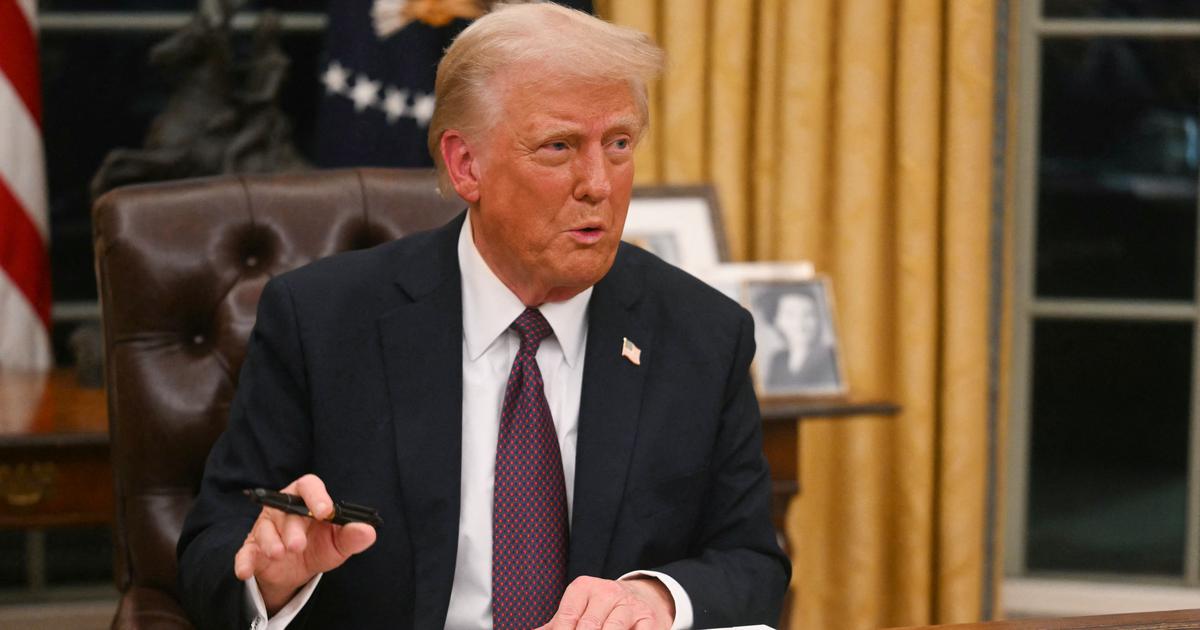
In a surprising turn of events, U.S. President Donald Trump announced that he has instructed the Department of War to delay any military strikes on Iranian power plants and energy infrastructure for a period of five days. This decision follows what Trump described as “good and productive conversations” between Washington and Tehran. However, the Iranian government quickly dismissed Trump’s claims, asserting that there had been no direct or indirect dialogue between the two nations. An Iranian official indicated that Trump’s retreat was influenced by the potential consequences of targeting critical power installations across West Asia.
The Iranian defense council reacted strongly, stating they would take measures to secure all access routes and communication lines in the Persian Gulf region, indicating a readiness to escalate tensions should the U.S. proceed with its military plans. This development comes at a time when the geopolitical landscape in West Asia is already fraught with uncertainty and heightened risk.
Amid these unfolding events, Indian Prime Minister Narendra Modi addressed the implications of the ongoing conflict during a session in Parliament. Modi emphasized that the repercussions of the West Asian war would resonate for an extended period, urging the nation to stay prepared and unified in the face of potential challenges. Notably, India relies heavily on crude oil imports from the region, particularly through the strategically vital Strait of Hormuz, which makes the country vulnerable to disruptions in the energy supply chain.
“The government is actively working to mitigate any adverse effects on our citizens from the current tensions,” said Modi. He further underscored the importance of national unity, recalling how the country managed to face previous crises, such as the COVID-19 pandemic, with a sense of collective strength. This unity, he believes, will be crucial as India navigates the complexities posed by the conflict in West Asia.
As the situation continues to evolve, the Indian government is keeping a close watch on developments. The potential for energy supply disruptions could have significant repercussions not only for the economy but also for the day-to-day lives of citizens, particularly as global oil prices fluctuate in reaction to the ongoing conflict. Experts suggest that India’s proactive approach in securing energy supplies will play a vital role in stabilizing its economy during these tumultuous times.