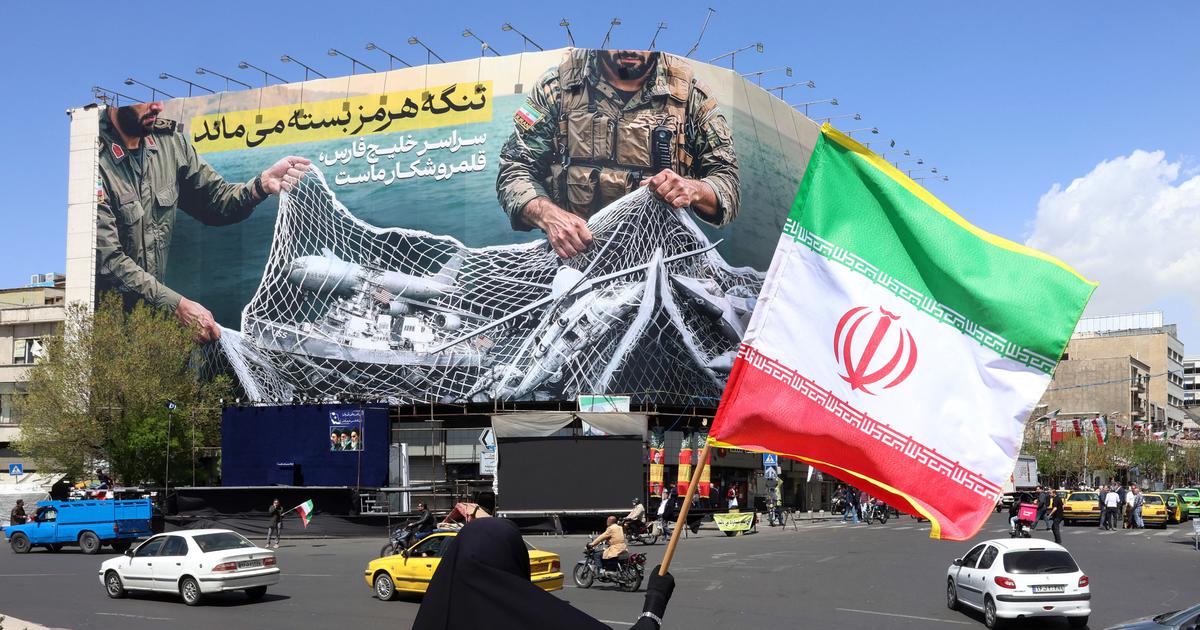
In a dramatic turn of events, U.S. President Donald Trump has seemingly extended the deadline for Iran to negotiate a deal regarding the reopening of the crucial Strait of Hormuz. On Sunday, Trump announced that Iran now has an additional 24 hours to reach an agreement; the new deadline set for Tuesday at 8:00 PM Eastern Time translates to 5:30 AM Wednesday in India. This shift comes just as Trump’s original ten-day ultimatum was set to expire on Monday, amplifying the already high-stakes situation in West Asia.
The Strait of Hormuz, a vital maritime passage for global oil shipments, has been at the center of escalating tensions between the U.S. and Iran. Trump has repeatedly threatened military action, stating he would target Iran’s energy, water, and oil infrastructure if a deal is not reached. His rhetoric has heightened fears of a potential conflict that could disrupt not just the regional balance but also global oil supplies.
In a series of alarming posts on social media, Trump emphasized his willingness to resort to military intervention, declaring, “They are negotiating now. If they don’t make a deal and fast, I’m considering blowing everything up and taking over the oil.” These comments reflect a combative approach, as the U.S. looks to apply pressure on Tehran to comply with its demands. Trump’s statements have been met with skepticism and outrage from various quarters, particularly from Iranian officials.
Iran’s Culture Minister, Sayed Reza Salihi-Amiri, reacted sharply to Trump’s threats, labeling the U.S. president as an “unstable, delusional figure.” This dismissive response underscores the ongoing discord between the two nations and highlights Iran’s refusal to back down in the face of intimidation. The Iranian leadership appears resolute in its stance against foreign pressure, signaling that they might not easily capitulate to U.S. demands.
As the deadline looms, the diplomatic landscape remains fraught with uncertainty. Analysts have noted that while Trump expresses optimism about a potential breakthrough, the realities on the ground suggest a complex web of interests and emotions that could hinder a swift resolution. The situation is particularly crucial not just for Iran and the U.S., but for India as well, given the nation’s reliance on oil imports and its strategic interests in the region.