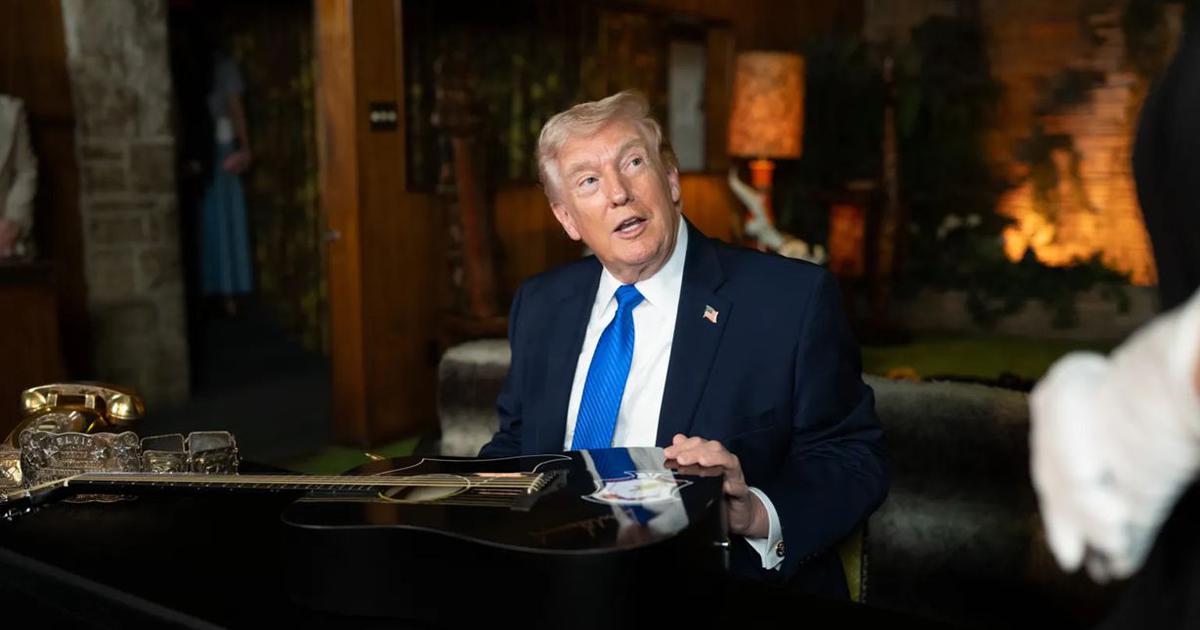
In a bold statement at an investment conference in Florida, US President Donald Trump stirred up controversy by declaring that ‘Cuba is next.’ This remark came as he reflected on what he termed the ‘successes’ of recent US military actions in Iran and Venezuela, emphasizing the strength of the American military forces he has significantly bolstered during his tenure. Trump’s comments have reignited discussions about US foreign policy, especially regarding Cuba, a nation long viewed with skepticism by US administrations.
During his address at the Future Investment Initiative Institute event, Trump stated, ‘I built this great military… I said, you’ll never have to use it, but sometimes you have to use it.’ His mention of Cuba caught the audience’s attention, and even as he requested that the media overlook his assertion about the Caribbean nation, he reiterated, ‘Cuba’s next,’ prompting laughter from those present. This juxtaposition of humor and serious undertones signals a troubling trajectory in US-Cuba relations, particularly as the island nation grapples with mounting pressures from Washington.
Historically, US-Cuba relations have been tumultuous. Since Fidel Castro’s revolution in 1959, the US has maintained a strict trade embargo against Cuba, recently intensified under the Trump administration. This includes an oil blockade imposed earlier this year, which has exacerbated fuel shortages and led to widespread blackouts across the island. The deteriorating conditions on the ground in Cuba have raised the stakes for residents and the government alike, leading to fears of further isolation.
Trump’s comments regarding Cuba appear to be a continuation of his aggressive foreign policy stance, which seeks to reshape the political landscape in Latin America. In earlier discussions, he suggested that the overthrow of the Iranian government could trigger a domino effect, resulting in Cuba’s government also falling. Such assertions not only highlight Trump’s hawkish approach but also reflect a broader strategy to exert influence in the region, reminiscent of Cold War tactics.
As Indian readers keep a watchful eye on global developments, the implications of Trump’s statements are particularly relevant. The geopolitical dynamics in Latin America, especially with the rise of leftist governments and their connections to countries like Iran and Venezuela, hold significant interest for nations like India that are balancing their own diplomatic relationships worldwide. Furthermore, the trend of US intervention in foreign nations raises questions about international sovereignty and the ethical ramifications of such actions.