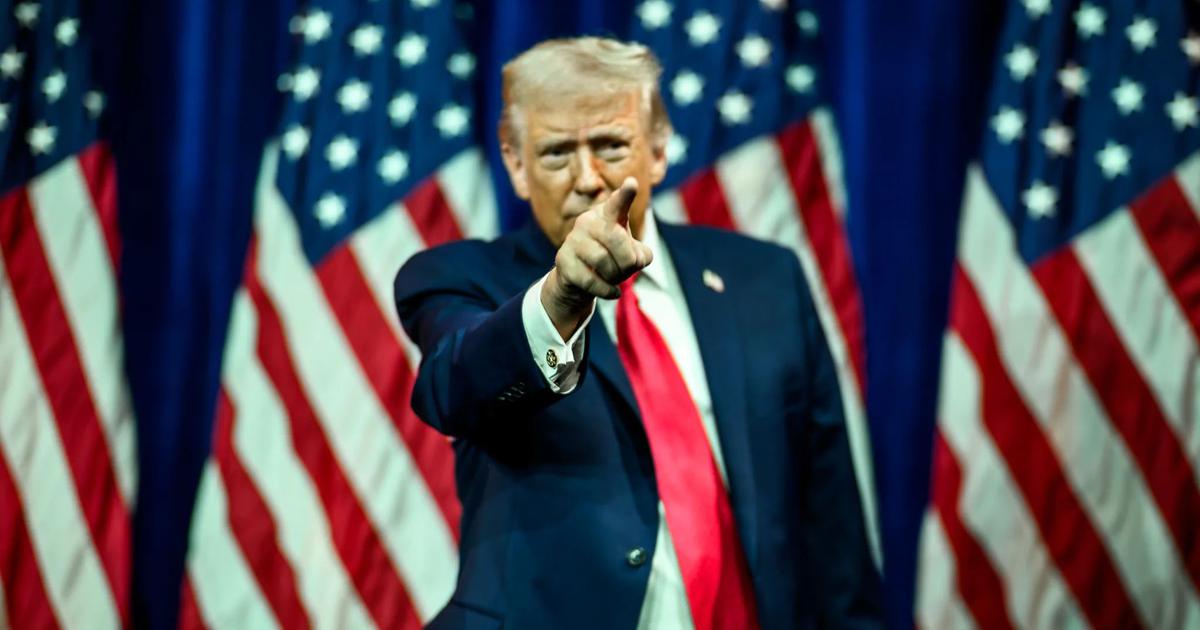
In a provocative statement on Monday, U.S. President Donald Trump threatened to unleash a military response that could devastate Iran’s infrastructure, specifically targeting Kharg Island and its various energy facilities, should Tehran refuse to reopen the crucial Strait of Hormuz. This warning comes amid escalating hostilities between the U.S. and Iran, as Trump emphasized ongoing negotiations with a ‘more reasonable’ Iranian regime to de-escalate military confrontations in the region.
The Strait of Hormuz is a vital maritime corridor for global oil shipments, and its closure could lead to significant disruptions in energy supplies and soaring oil prices worldwide. Trump’s rhetoric indicates a heightened commitment to confrontational policies against Iran, leveraging military action as a potential strategy to ensure compliance. The stakes remain high, not just for Iran, but for the international community, especially countries reliant on oil imports from the Gulf region.
In another development linked to regional tensions, authorities in Dubai reported that they have successfully contained a fire on a Kuwaiti oil tanker at the city’s port. The incident, which occurred after the vessel was reportedly struck by a drone on Monday, has raised alarms about possible oil spills and additional security risks in a volatile region. Fortunately, all 24 crew members onboard were reported safe, alleviating immediate humanitarian concerns.
Meanwhile, India has voiced strong opposition to recent attacks on United Nations peacekeepers stationed in Lebanon. The Indian government has urged all involved parties to prioritize the safety of these personnel, emphasizing the need for accountability and protection under international law. This position aligns with India’s long-standing commitment to global peacekeeping efforts, underscored by its role in piloting UN Security Council resolution 2589 in 2021, which aimed to protect peacekeeping forces.
As the geopolitical landscape continues to shift, the price of crude oil has surged dramatically, with Brent crude trading at $114 per barrel as of Tuesday. This marks a significant increase from $78 per barrel, the price recorded just a day before the current conflict escalated. Such fluctuations in oil prices not only affect global markets but also pose serious implications for countries like India, which heavily depend on imported oil.
With tensions simmering in West Asia and the U.S. adopting a more aggressive posture against Iran, the implications for regional stability and global energy markets are profound. As the situation evolves, nations worldwide, including India, will be closely monitoring developments, recognizing the interconnectedness of peace and economic stability.