The World Meteorological Organization (WMO) has announced that the decade spanning from 2015 to 2025 is officially the hottest on record, a stark reminder of the escalating climate crisis. The annual State of the Global Climate report, released by the UN’s weather agency, reveals alarming trends that have significant implications for India and the rest of the globe.
According to the report, the year 2025 is poised to be either the second or third hottest year recorded, with temperatures soaring approximately 1.43 degrees Celsius above the pre-industrial average. Meanwhile, 2024 has been labeled the hottest year ever documented, with temperatures exceeding 1.55 degrees Celsius more than the average recorded between 1850 and 1990. These figures highlight a pressing need for countries, including India, to adhere to the commitments made under the 2015 Paris Agreement, which aims to limit the global temperature rise to below 1.5 degrees Celsius.
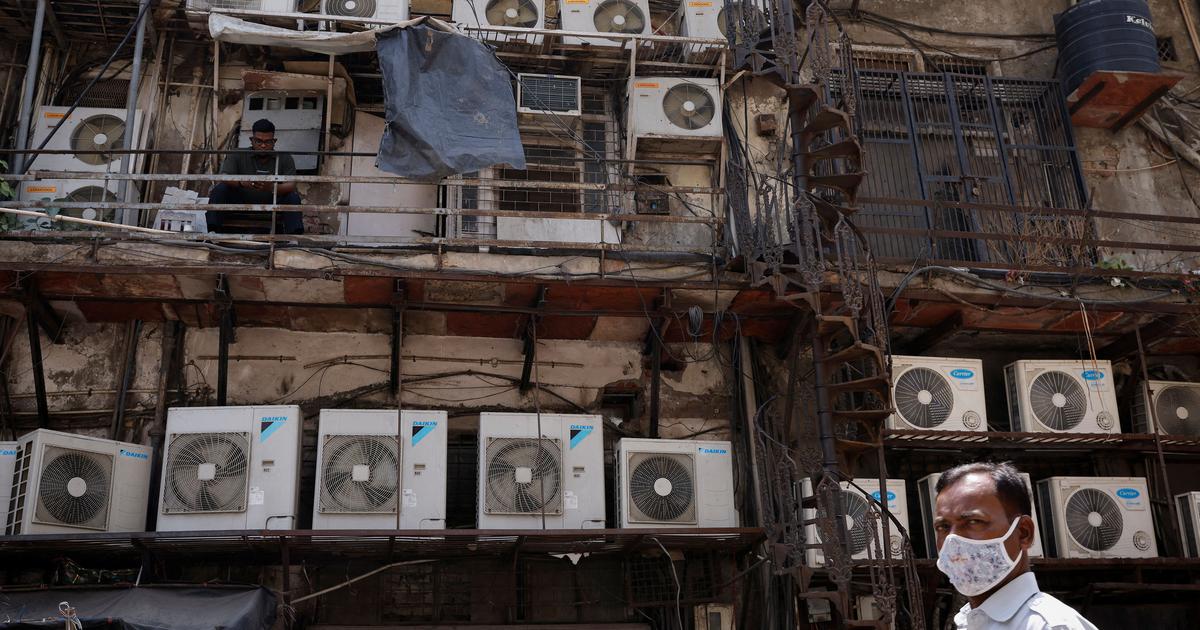
The report paints a concerning picture of the Earth’s climate, stating that it is currently “more out of balance than at any point in observed history.” The ramifications of this imbalance are expected to affect the planet for centuries, if not millennia. With India experiencing its own set of climate challenges—ranging from extreme heatwaves to devastating floods—the importance of this report cannot be overstated.
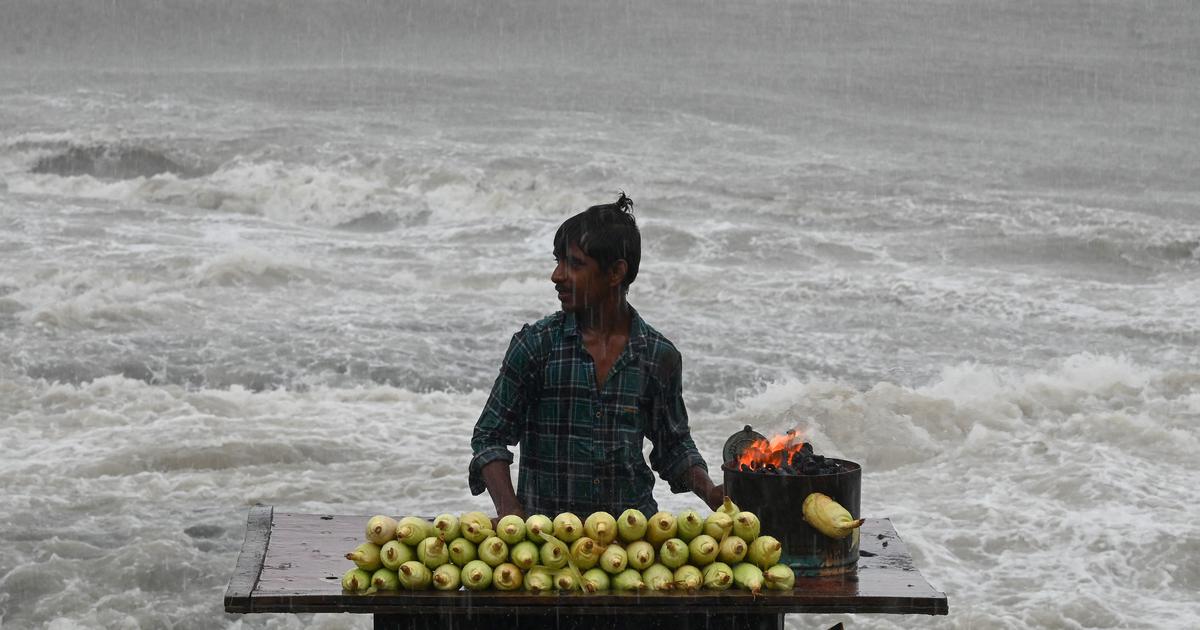
In a particularly troubling finding, the report states that the world’s oceans have set heat content records for nine consecutive years. Over the past two decades, these oceans have absorbed a staggering amount of heat energy, equivalent to 18 times that of the average annual energy consumption of humanity. In 2025, ocean heat content reached unprecedented levels, hitting its peak since records began in 1960. This increase in temperature not only affects marine ecosystems but also has far-reaching effects on weather patterns and climate stability.
The implications for India are profound, with rising sea levels threatening coastal cities and erratic weather patterns jeopardizing agricultural output. As the country grapples with these challenges, swift action is essential to mitigate the impact of climate change. Sustainable practices, renewable energy adoption, and enhanced climate resilience strategies will be critical as India navigates its way through this climate crisis. The findings from the WMO serve as a clarion call for collective action across nations, urging not just policymakers but also citizens to engage in efforts to combat climate change.