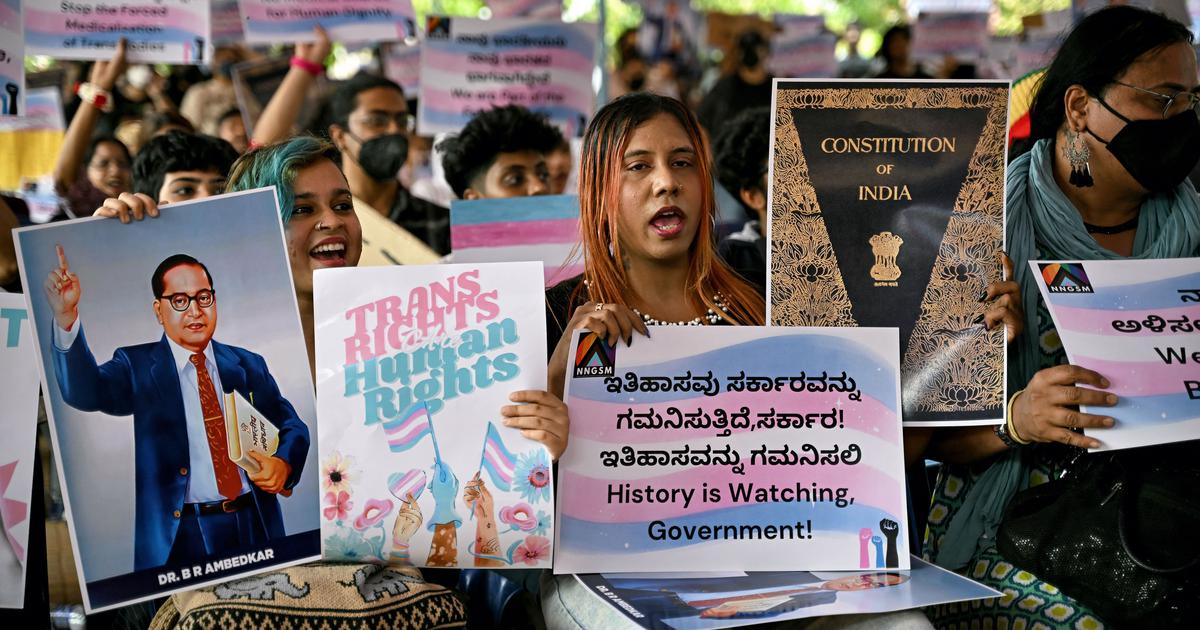
The recent approval of the Transgender Persons (Protection of Rights) Amendment Bill, 2026, by the Rajya Sabha has sparked considerable debate. Advocates of the bill argue that it is necessary to protect the rights of genuine transgender individuals benefitting from state welfare programs while preventing misuse by individuals who falsely claim to be transgender. This justification has been articulated by Bharatiya Janata Party MP Medha Kulkarni, who emphasized the need for a legal framework that ensures justice for authentic transgender persons while addressing the concerns of fraudulent claims.
At the core of the controversy lies the amendment’s requirement for a medical and bureaucratic verification process to obtain a transgender certificate, which strips away the right to self-identification. Supporters of the bill assert that this step is essential for directing welfare benefits to the deserving populace and maintaining the integrity of state programs. However, critics argue that this logic perpetuates a narrative that undermines the very identity of transgender individuals, suggesting that their existence is somehow open to scrutiny and skepticism.
For a community that has historically faced marginalization in various aspects of life—including housing, employment, and healthcare—the notion that they could be misusing welfare programs for personal gain seems outlandish. The bill’s proponents rely heavily on the fear of “fraudulent claimants,” which may lead to additional bureaucratic hurdles for those legitimately seeking recognition. This raises the question: who does the government believe is taking advantage of these welfare programs? The implications of such assumptions could exacerbate the already precarious situation faced by transgender individuals in India.
Moreover, the amendment appears to be an attempt to create a binary distinction between ‘real’ and ‘fake’ transgender individuals, a perspective that undermines the complex and diverse experiences of gender identity. The requirement for medical verification could deter many from seeking the support and recognition they deserve, thus reinforcing systemic barriers that have long existed. Critics contend that such measures do not address the root causes of exclusion and discrimination but rather complicate the path to acceptance and justice for the transgender community.
As the debate continues, it is essential for lawmakers, activists, and society at large to engage in meaningful dialogue. The challenge lies in crafting policies that ensure the protection of rights without further marginalizing the very individuals they aim to support. Moving forward, the focus should be on fostering an inclusive environment that celebrates diversity rather than perpetuating stigmas around identity. The Transgender Persons Amendment Bill of 2026 serves as a reminder of the ongoing struggle for equality and recognition, urging all stakeholders to reflect on their roles in shaping a just society.