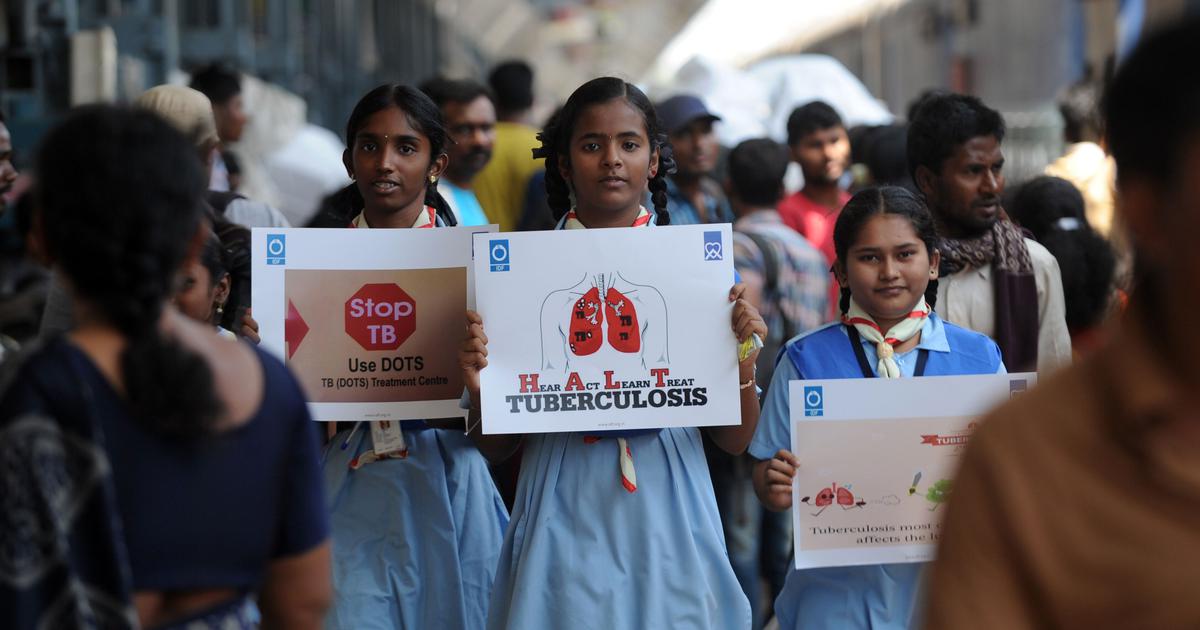
On World TB Day, it is crucial to highlight not just the statistics of tuberculosis (TB) but also the profound impact that gender and cultural factors have on treatment accessibility. Despite being an airborne disease that can affect anyone, the reality is that certain demographics face greater hurdles when it comes to seeking and receiving care. In India, which accounts for a staggering 32% of the global drug-resistant TB cases, the disparities in access to treatment become glaringly apparent.
While TB can indeed affect anyone who breathes, the concept of shared vulnerability is misleading. Factors such as socioeconomic status play a significant role in determining one’s risk level. Individuals living in poorly ventilated homes or those grappling with food insecurity are at a heightened risk. Furthermore, cultural barriers significantly influence healthcare access, especially among marginalized groups.
Gender inequities, in particular, present a unique challenge in TB care. Women, especially in rural regions, often find themselves navigating a healthcare system that is not designed with their needs in mind. Many women hesitate to seek medical help when there are no female health providers available, which is often the case in remote areas. Traditional gender norms further complicate this. In many communities, women are expected to have a male companion when traveling, which can severely limit their mobility and access to healthcare facilities.
Moreover, women typically assume the role of primary caregivers in their families, which can inadvertently lead to them prioritizing the health of others over their own. This self-neglect can have dire consequences, especially when dealing with a disease like TB, where early diagnosis and treatment are critical for recovery. The cultural expectation that women must care for their families first can delay their own treatment and exacerbate their condition.
To combat this issue, it is essential that TB treatment protocols not only recognize these gender disparities but also actively address them. Community awareness programs should focus on educating families about the importance of women’s health, encouraging them to seek care without stigma or delay. Additionally, healthcare policies must prioritize the inclusion of female health practitioners in rural settings and ensure that women have the necessary support to access treatment independently.