Unveiling a Unique Friendship: An Ottoman Princess and a Hindu Queen’s Bond in Colonial India
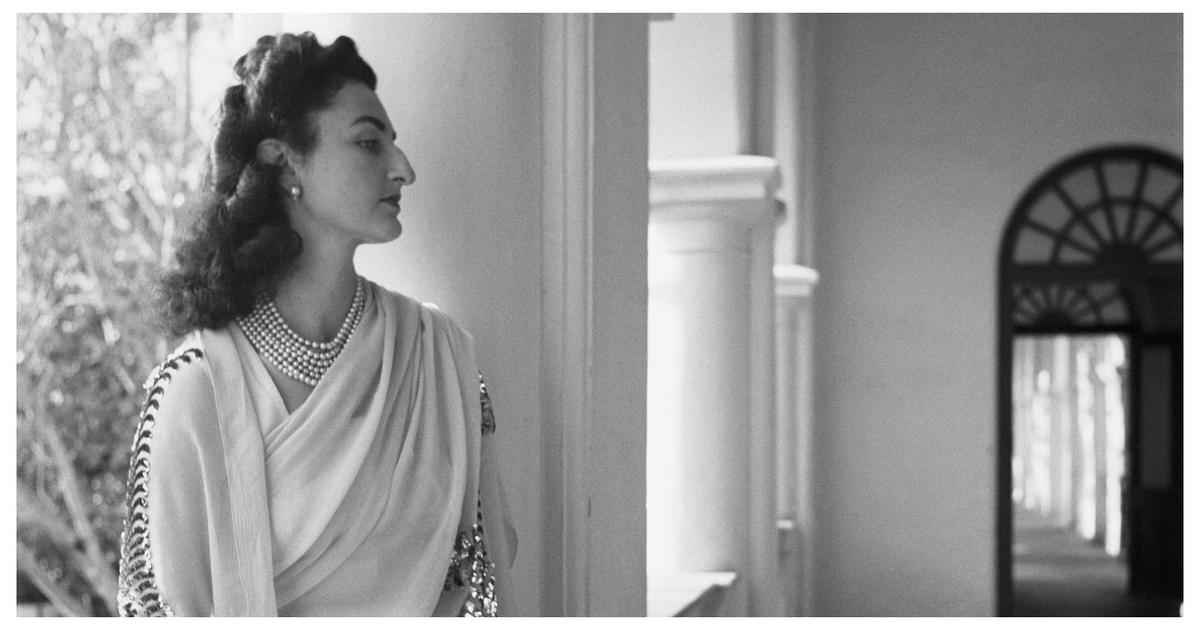
In the early decades of the 20th century, a remarkable friendship blossomed between two women from vastly different backgrounds: Durru Shehvar, an Ottoman princess, and Sita Devi, the Hindu queen of Kashipur. Their bond, forged through exchanges of letters, shared vacations in the picturesque valleys of Kashmir, and the cherished role of godmothers to each other’s children, offers an intriguing glimpse into the lives of women during colonial South Asia.
Durru Shehvar (1914-2006) was born into the opulence of the Ottoman dynasty and married the eldest son of the Nizam of Hyderabad, who was known as one of the wealthiest and most powerful rulers in colonial India. Her life was marked by privilege yet also by the complexities of political alliances and personal sacrifices. On the other hand, Sita Devi (1915-2002), who later became the Maharani of Kapurthala, was celebrated not only for her royal lineage but also for her status as a global fashion icon of her time.
Though they came from different worlds, Durru and Sita shared a deep bond. Their friendship, however, is not widely documented, as neither woman penned a full autobiography. Durru did write a memoir, but it largely focused on her childhood and the challenges she faced during her forced exile, leaving many aspects of her life after marriage unexplored. The primary evidence of their friendship lies in a handwritten note accompanying a photograph from 1939, which reads, “To Sita, with affectionate thoughts, Durru Shehvar.” This simple yet profound message encapsulates their connection and the warmth they shared.
The friendship between Durru and Sita is particularly notable in a time when social norms often dictated rigid boundaries between different cultures and classes. Their relationship challenges the conventional narratives about women during colonial times, illustrating that ties of friendship could transcend nationality, religion, and even royal hierarchies. The exchange of letters and photographs serves as a testament to a bond that was both personal and political, reflecting the changing dynamics of society.
As India navigated the complexities of colonial rule, the stories of women like Durru and Sita highlight the often-overlooked contributions of women in shaping their narratives. Their lives were not merely defined by their royal status but also by their friendships, which offered them solace and strength in an era of uncertainty. Through their friendship, they crafted a unique identity that blended their cultural heritages, enriching their experiences and those of the people around them.