




The Bandung Conference of 1955 stands as a significant milestone in the history of international relations, yet its intricate details have often been obscured by layers of romanticism and misunderstanding. Despite being hailed as a defining moment for the Global South, much of the discourse surrounding the event relies more on assumptions than on concrete historical evidence. Indian diplomat G.H. Jansen poignantly noted a decade later that public perception often overshadows the true essence of the conference.
Over the years, many scholars have attempted to dissect the complexities of Bandung, but Robert Vitalis’s 2014 critique highlighted a critical gap in the scholarship—namely, the tendency to idealize the event without grounding it in its historical context. The irony remains that this paramount gathering of Third World nations, which aimed to foster solidarity against colonialism and imperialism, lacks a comprehensive archival history. The last significant examination of its proceedings took place in 1955, when American researcher George M. Kahin was granted a mere 12-hour window to delve into the archives.
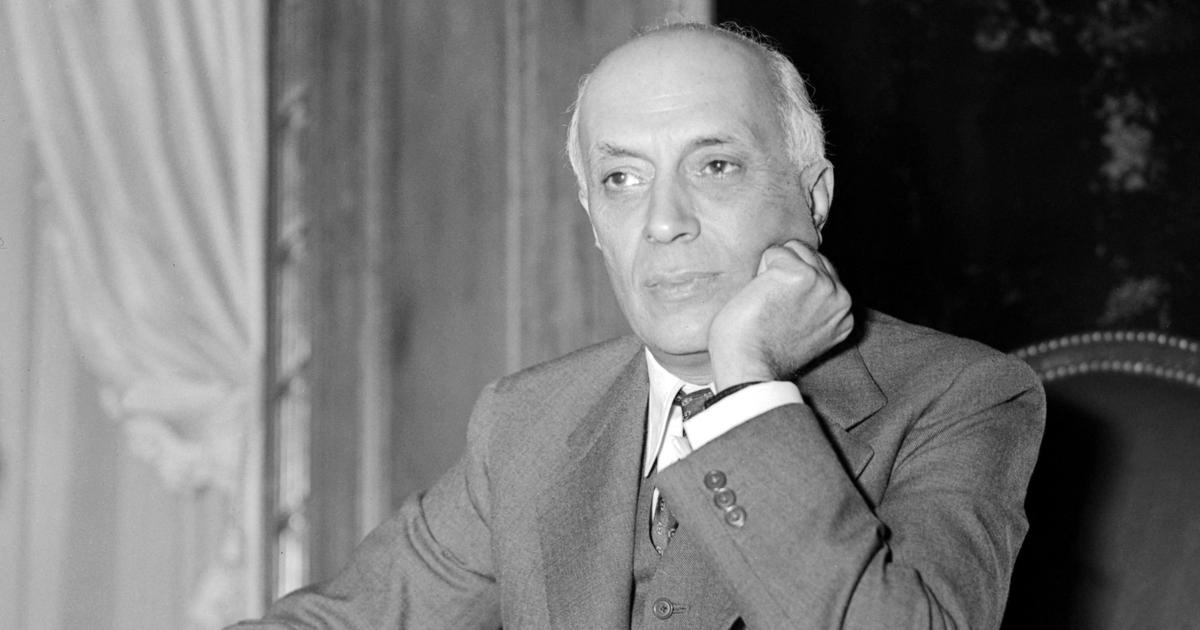
In an effort to shed light on this pivotal conference, we turn to the private notes of one of its key figures: Indian Prime Minister Jawaharlal Nehru. Nehru’s notebook from the event offers a rare glimpse into the thoughts and reflections of a leader who played an instrumental role in shaping the discussions. His notes reveal not only the political dynamics of the time but also personal insights that illuminate the challenges faced by emerging nations.
The Bandung Conference emerged against the backdrop of a post-colonial world grappling with the remnants of colonial powers and the cold war’s burgeoning tensions. As Asian and African leaders convened in Indonesia, they aimed to unite in their quest for independence and self-determination. Nehru, a champion of non-alignment, advocated for peaceful coexistence and mutual respect among nations, principles that would define India’s foreign policy in subsequent years.
As we explore Nehru’s notes, we see him grappling with various issues, from the pressing matter of Palestine to the broader implications of colonialism. His reflections reveal a deep-seated commitment to ensuring that the voices of the oppressed were heard on the global stage. The doodles and musings in his notebook serve as a testament to his engagement with the issues at hand, offering a unique perspective on the diplomatic negotiations and ideological debates that unfolded during this landmark event.
In conclusion, the Bandung Conference may have occurred over sixty years ago, but its significance resonates today as nations continue to navigate the complexities of international relations. By revisiting Nehru’s notes and the context surrounding this conference, we gain not only a deeper understanding of the historical moment but also the enduring legacy of leaders who dared to dream of a united front against oppression. This exploration is vital not only for historians but for anyone interested in the evolution of global politics and the ongoing struggles for justice and equality.

