In an intriguing exploration of historical and contemporary power dynamics, Joshua Ehrlich draws fascinating comparisons between the East India Company and today’s tech giants, such as Google. Both entities, despite their diverse contexts, have portrayed themselves as champions of knowledge, wielding this narrative to justify their existence and expansion.
At the turn of the 21st century, Google’s founders, Larry Page and Sergey Brin, set forth a mission to ‘organise the world’s information and make it universally accessible and useful.’ This sentiment echoes the defensive rhetoric of the East India Company, which, over two centuries ago, emphasized its role as more than a mere commercial enterprise. As Ehrlich points out, the Company endeavored to position itself as a promoter of knowledge, arguing that its legitimacy depended on its contributions to learning and scholarship.
Ehrlich, an associate professor of history at the University of Macau, delves into these themes in his recent book titled ‘The East India Company and the Politics of Knowledge.’ Through his research, he paints a vivid picture of how intellectual pursuits were intertwined with governance during the Company Raj. It becomes clear that colonial officials recognized the advantages of engaging with educated Indians and Britons, believing that fostering relationships with learned individuals would simplify their administrative endeavors.
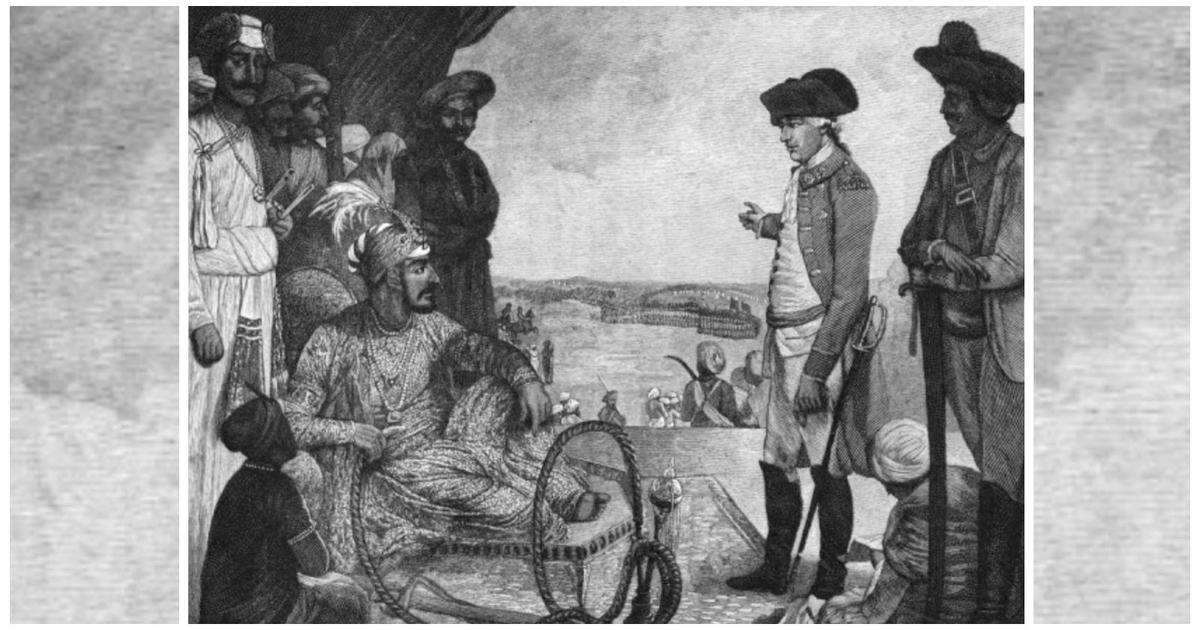
The strategy of ‘conciliation’ was pivotal in this regard. The East India Company sought to align itself with the intellectual elite, countering accusations of cultural insensitivity and ignorance. By cultivating alliances with scholars, the Company aimed to enhance its image and strengthen its grip on power. The mastermind behind this approach was none other than Warren Hastings, a figure whose controversial legacy continues to evoke debate.
In his analysis, Ehrlich illuminates the extent to which the East India Company’s policies were influenced by scholarly discourse and the pursuit of knowledge. This historical lens prompts reflection on the ways in which contemporary corporations similarly frame their narratives. Just as the East India Company engaged in intellectual patronage to bolster its authority, modern tech giants also navigate complex relationships with knowledge and information.
As we consider the implications of Ehrlich’s analysis, it becomes clear that understanding the past is essential for navigating the present. The parallels drawn between the East India Company and today’s major corporations highlight a persistent trend: the use of knowledge as a tool for legitimacy and control. This realization invites us to critically examine the motives behind the information we consume and the structures that govern it.
Ultimately, the conversation surrounding the East India Company and its political maneuvers offers valuable insights into our current digital landscape. As we engage with the products and services offered by modern corporations, we must remain vigilant about the narratives they construct and the power dynamics at play.