US Army Chief Resigns Amid Ongoing West Asian Conflict; Iran’s Key Infrastructure Targeted
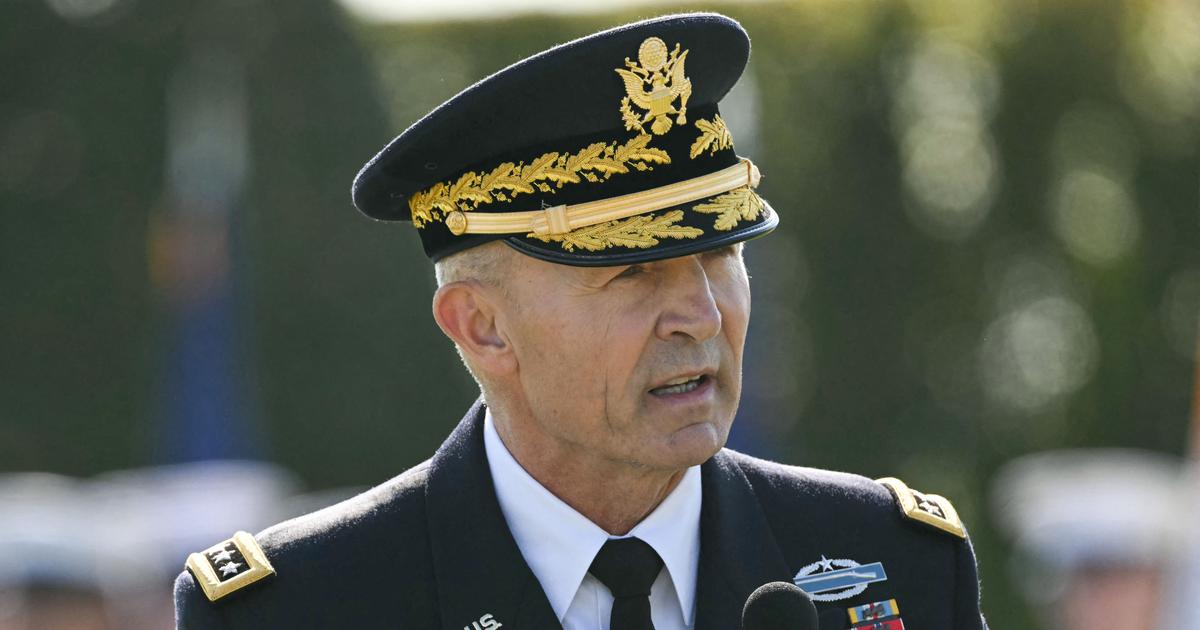
The United States Army experienced a significant leadership shift as Chief of Staff Randy George retired unexpectedly on Thursday. This abrupt departure comes amid escalating tensions in West Asia, raising questions about the future direction of the Army during a period of conflict.
According to reports from CBS News, Defense Secretary Pete Hegseth reportedly requested George’s resignation to pave the way for a leader who aligns closely with the strategic vision of both Hegseth and former President Donald Trump. George, who took over the Army chief role in mid-2023 during President Joe Biden’s administration, had a typical four-year term that would have extended until 2027. The decision to dismiss a top military official during wartime is exceptionally rare, underscoring the gravity of the situation.
In a dramatic turn of events, Trump announced through social media that the U.S. military had conducted an airstrike on what is described as Iran’s largest bridge, a crucial infrastructure linking Tehran to Karaj. The operation resulted in the destruction of the bridge, and reports confirm that eight individuals lost their lives in the attack. This military action has been portrayed as a strategic move by the U.S., though the broader implications of targeting civilian infrastructure have been met with widespread criticism.
Iranian Foreign Minister Abbas Araghchi responded sternly to the airstrike, stating that such attacks on civilian structures will not force Iran into submission. He described the strike as a sign of the United States’ moral decline and an indication of an enemy in turmoil. His comments reflect a sentiment of resilience, asserting that the Iranian people will rebuild and strengthen what has been destroyed, while emphasizing that the real damage lies in America’s waning global reputation.
As the situation evolves, the impact of these military decisions is being closely monitored, both in the U.S. and internationally. Analysts suggest that the resignation of George and the ongoing conflict might lead to a significant shift in U.S. military strategy in the region. This critical juncture in military leadership and policy is likely to resonate far beyond the immediate geographic confines of West Asia, influencing global perceptions and diplomatic relationships.