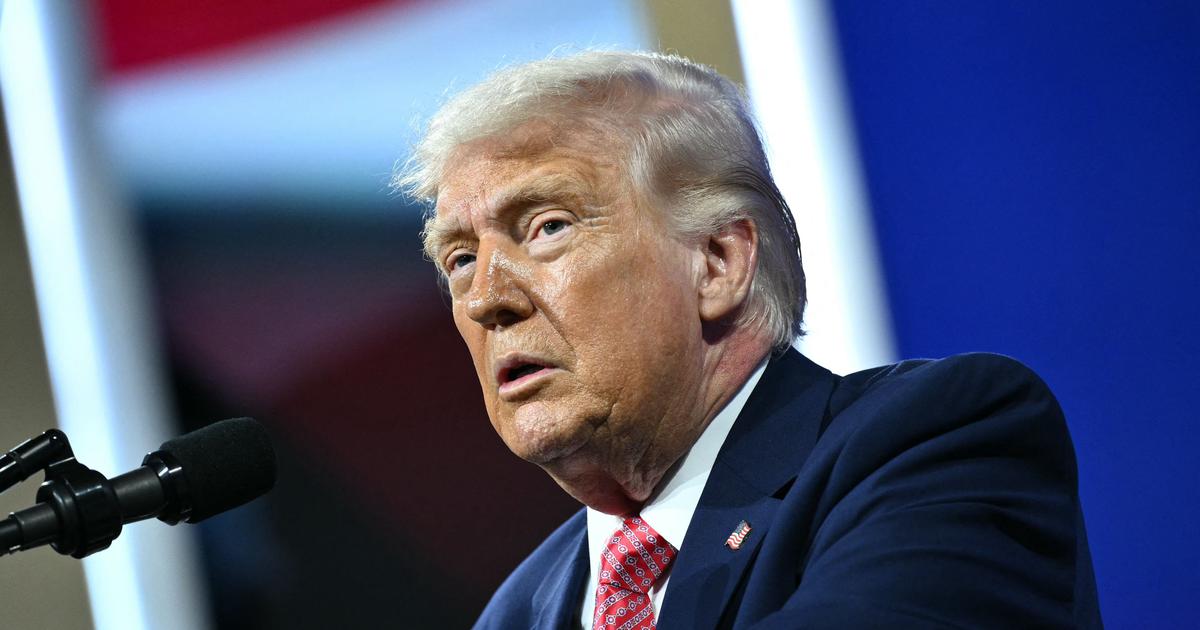
A significant legal development unfolded in the United States on Monday as a federal judge ruled against a hefty $100,000 fee imposed by former President Donald Trump on new H-1B visa applications. This decision addresses a legal claim that the fee constituted an unlawful tax, an action that lacked the necessary authorization from Congress.
US District Judge Leo Sorokin delivered the verdict in response to a lawsuit initiated by a coalition of Democratic state attorneys general. The suit challenged the fee, which Trump had announced in September as part of his administration’s broader immigration policy, aimed at regulating the influx of foreign skilled workers. H-1B visas are crucial for many Indian professionals, who constitute a significant portion of the beneficiaries of this program, allowing US companies to temporarily hire highly skilled workers in specialized fields.
During the proceedings, the Trump administration defended the fee as a legitimate monetary penalty permissible under federal immigration law. The argument was rooted in the notion that the president possesses the authority to control foreign entry if it is deemed harmful to American interests. However, Judge Sorokin countered this assertion, stating that the $100,000 fee functioned more like a tax rather than a penalty, thus requiring congressional approval.
Judge Sorokin emphasized that the nature and application of the payment revealed its true character, regardless of the terminology used to describe it. He remarked, “The substance and application of the $100,000 payment reveal that it is a tax, regardless of what the payment is called.” This ruling is particularly relevant amid ongoing debates in the US about immigration policy and its implications for the tech industry, which heavily relies on H-1B workers.
The ruling is expected to have widespread implications, especially for tech companies that feared the financial burden imposed by the Trump administration. Many of these firms, many of which maintain strong ties with India, depend on the talent of H-1B visa holders to fill critical roles in their organizations. Following the decision, the Trump administration signaled its intention to appeal, indicating that the legal battle surrounding this issue may not be over yet.
This case highlights the intersection of immigration, labor policies, and international relations, particularly between the US and India. As Indian professionals continue to seek opportunities in the United States, the outcome of such legal challenges will undeniably shape the future of the H-1B visa program and the ability of companies to attract global talent.