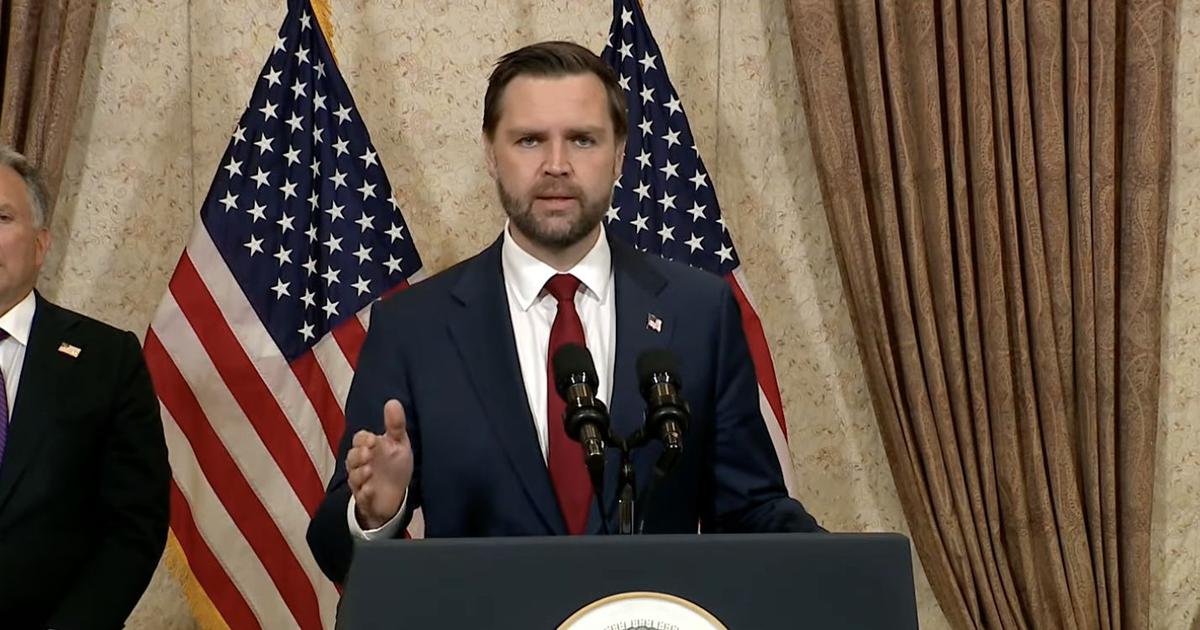
In a significant development, peace negotiations between the United States and Iran concluded in Islamabad on Sunday without reaching a consensus. US Vice President JD Vance announced that the 21 hours of discussions failed to yield an agreement to resolve the ongoing conflict, underscoring the complexities of diplomatic efforts in the region.
During a brief press conference, Vance conveyed that the Iranian delegation had opted not to accept the US proposals, which they deemed as the final and best offer for a peaceful resolution. He emphasized the need for an affirmative commitment from Iran, highlighting America’s willingness to engage in constructive dialogue. “We leave here with a very simple proposal,” he stated, expressing hope that the Iranian side might reconsider their stance.
The talks come on the heels of a two-week ceasefire agreed upon just days earlier, designed to create space for further negotiations. However, despite the temporary halt in hostilities, the absence of substantial progress in talks raises concerns about the future of diplomatic relations between the two nations. Notably, the discussions were conducted without Israel’s involvement, although Israeli military actions have continued in Lebanon during the ceasefire period.
Vance described the US approach during the negotiations as “quite flexible” and “accommodating,” reflecting a commitment to finding common ground. He reiterated the administration’s expectations, saying, “The president told us, you need to come here in good faith and make your best effort to get a deal.” This highlights the high stakes involved in these discussions, as the potential for a lasting peace remains in limbo.
The failure to reach an agreement has broader implications not just for US-Iran relations but also for regional stability in West Asia. As tensions have historically escalated in this part of the world, the need for effective diplomacy is more critical than ever. Observers from India and beyond will be closely watching how both nations navigate this impasse and what steps they might take in the future to address the underlying issues fueling the conflict.