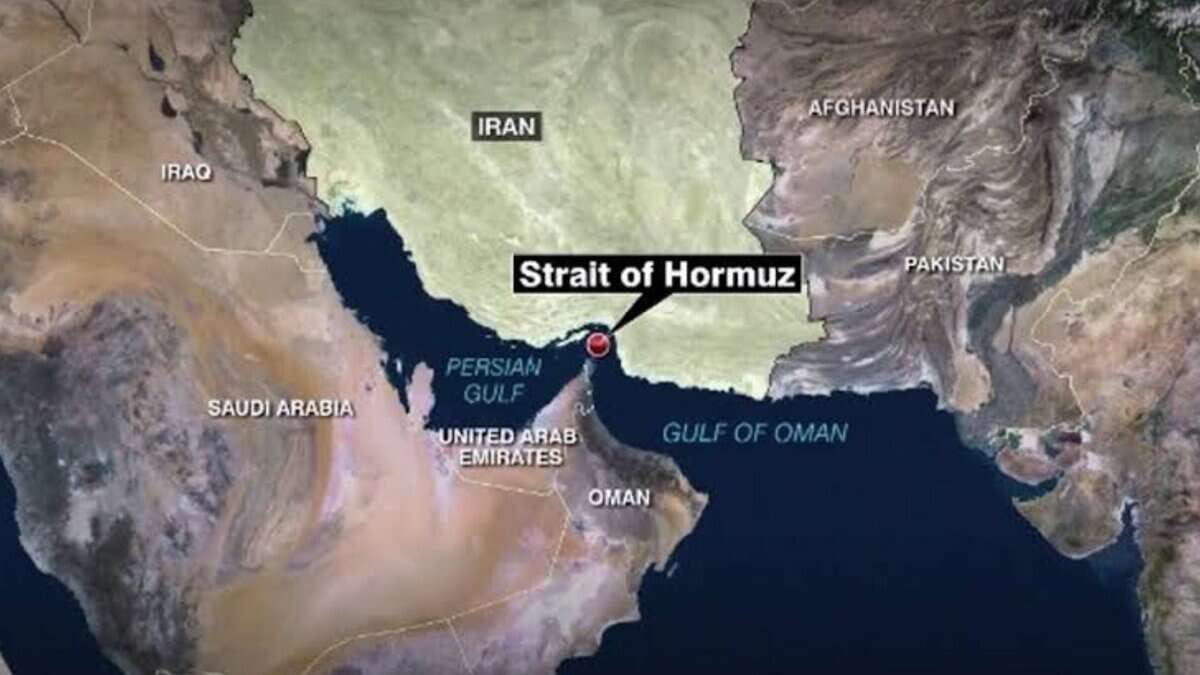
The Strait of Hormuz, a vital narrow choke point through which a significant portion of the world’s oil supply flows, has long been a focal point of geopolitical tensions and maritime security concerns. In recent years, the United States has found itself facing increasing difficulties in effectively protecting this crucial waterway, raising concerns about energy security and regional stability. This article explores the factors that have made protecting the Strait of Hormuz such a formidable task for the United States.
1. Geographic Complexity:
The Strait of Hormuz’s narrow dimensions, varying from roughly 21 to 60 miles wide, make it a natural bottleneck, concentrating shipping traffic and limiting the maneuverability of vessels. This creates a challenging operational environment for the US Navy, which must navigate a relatively small area with multiple potential threats. The proximity of the strait to Iran, with its extensive coastline and sophisticated anti-access/area denial (A2/AD) capabilities, significantly increases the risks for US forces.
2. Iranian Naval Strategy and Capabilities:
Iran, which controls the northern shore of the strait, has developed a specialized naval strategy aimed at countering superior Western maritime forces. This strategy emphasizes asymmetrical warfare, employing a combination of fast attack boats, sea mines, anti-ship missiles, and unmanned aerial vehicles (UAVs) to harass and intimidate shipping. Iran’s ability to swarm vessels with small boats and deploy advanced missiles makes protecting individual ships and ensuring safe passage a constant and resource-intensive task for the US Navy.
3. Regional Instability and Proxy Wars:
The Strait of Hormuz is situated in a highly volatile region, prone to conflicts and power struggles. The ongoing proxy wars between regional rivals, notably Saudi Arabia and Iran, often spill over into the maritime domain, leading to attacks on tankers and infrastructure. This complex and unpredictable environment, with multiple actors pursuing often-conflicting interests, makes it difficult for the United States to establish a clear and effective deterrent against all threats.
4. Shifting Alliances and Limited International Cooperation:
While several countries share an interest in maintaining the freedom of navigation through the Strait of Hormuz, the level of international cooperation in protecting the waterway has varied. In recent years, some traditional allies of the United States in the region have shown greater reluctance to participate in US-led maritime coalitions, fearing retaliation from Iran or wanting to pursue a more independent foreign policy. This has left the United States bearing a disproportionate share of the burden and limited its ability to build a robust and united response to threats.
5. Domestic Political and Economic Constraints:
The United States is facing domestic challenges, including a strained military budget, and a growing public weariness with prolonged overseas commitments. These factors have placed pressure on the US government to prioritize domestic concerns over maintaining a large and permanent military presence in the Middle East. This has translated into a reductions in the number of US naval assets deployed to the region, making it harder to maintain a persistent and credible presence.
6. Technological Challenges and the Rise of Asymmetric Threats:
The evolution of technology has introduced new threats that are difficult to counter with conventional naval forces. The proliferation of relatively inexpensive and readily available UAVs, sea mines, and anti-ship missiles has given smaller and less capable actors the ability to cause significant damage to maritime traffic. These asymmetric threats are often difficult to detect and intercept, requiring the development of new and costly countermeasures.
Conclusion:
Protecting the Strait of Hormuz remains a complex and challenging task for the United States, driven by geographic realities, Iranian capabilities, regional instability, a shifting geopolitical landscape, domestic constraints, and the rise of asymmetric threats. While the US Navy continues to patrol the waterway and maintain a presence in the region, the challenges are formidable. Achieving a stable and secure maritime environment in the Strait of Hormuz will require a sustained and multifaceted approach that addresses the root causes of regional tensions, strengthens international cooperation, and adapts to the changing nature of threats in the 21st century.