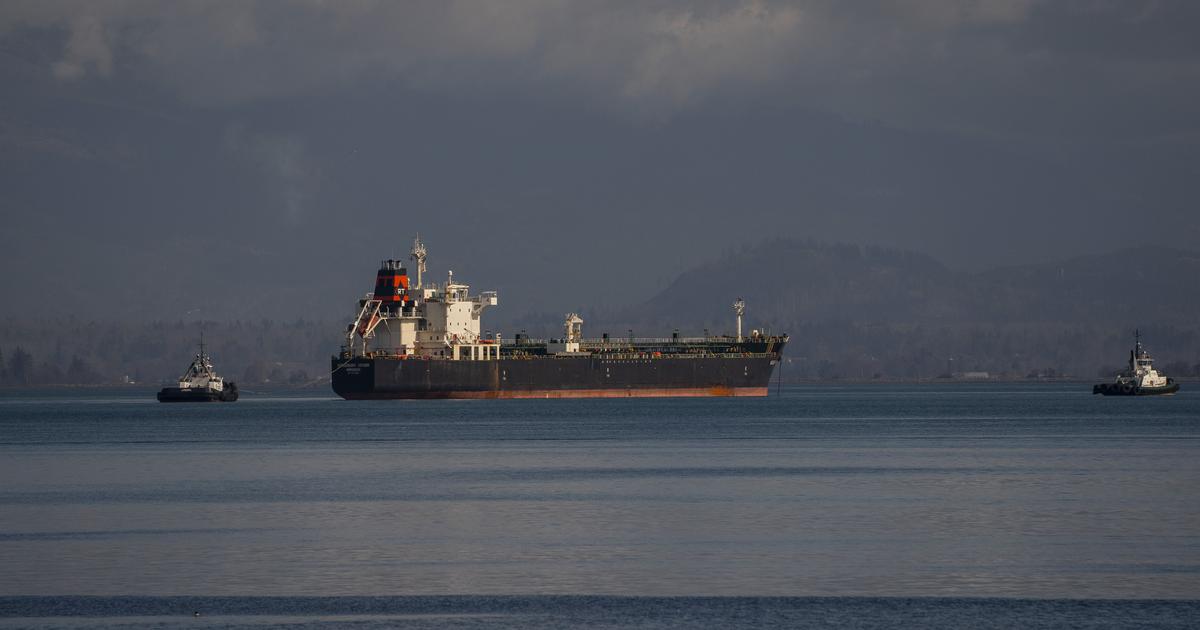
The United States government has announced a temporary suspension of sanctions on the purchase of Iranian crude oil and petroleum products for a period of 30 days. This decision, made public on Friday, aims to alleviate the growing energy supply challenges stemming from ongoing conflicts in West Asia. US Treasury Secretary Scott Bessent elaborated on this move, emphasizing that it would facilitate the introduction of approximately 140 million barrels of oil into the global market, thereby expanding worldwide energy availability.
Bessent’s statement on social media underscored the strategic advantage of utilizing Iranian oil reserves as a countermeasure against Tehran, effectively working to maintain lower oil prices. This action forms part of what the secretary referred to as “Operation Epic Fury,” which seeks to stabilize the market amid rising tensions in the region.
In a response that highlights Iran’s current oil situation, a spokesperson from the Iranian Oil Ministry, Saman Ghoddoosi, stated earlier that Iran does not have any surplus crude oil available for export. Ghoddoosi’s remarks came on the heels of Bessent’s announcement, indicating that Washington’s decision may not significantly affect the market as Iran’s oil reserves are nearly depleted. He characterized the US treasury secretary’s declaration as a mere attempt to generate optimism among buyers.
This latest waiver on Iranian oil comes shortly after the previous administration under Donald Trump had relaxed sanctions on Russian oil, reflecting a complex geopolitical landscape influencing energy markets. As global tensions escalate, the interplay of sanctions and oil availability remains a critical factor for countries dependent on energy imports, including India.
For Indian consumers, the implications of this temporary lift may be significant. India, one of the largest importers of crude oil, has been grappling with rising fuel prices, which have a direct impact on inflation and the overall economy. The prospect of increased Iranian oil supply could provide some relief to Indian markets, potentially leading to stabilization in fuel prices as the country navigates its energy needs amid fluctuating global dynamics.